Size Reduction Solutions for Mining, Milling & Material Recovery
Gold and precious metal recovery begins with effective size reduction. Whether processing hard rock ore, electronic scrap, or mineral concentrates, consistent particle size is critical for maximizing recovery rates and downstream processing efficiency.
Schutte Hammermill provides industrial size reduction equipment designed to crush, grind, and liberate valuable metals from host materials. Our solutions support mining operations, mineral processing facilities, and urban mining applications by improving material liberation, reducing processing costs, and increasing recovery yields.
Why Size Reduction Matters in Gold and Ore Processing
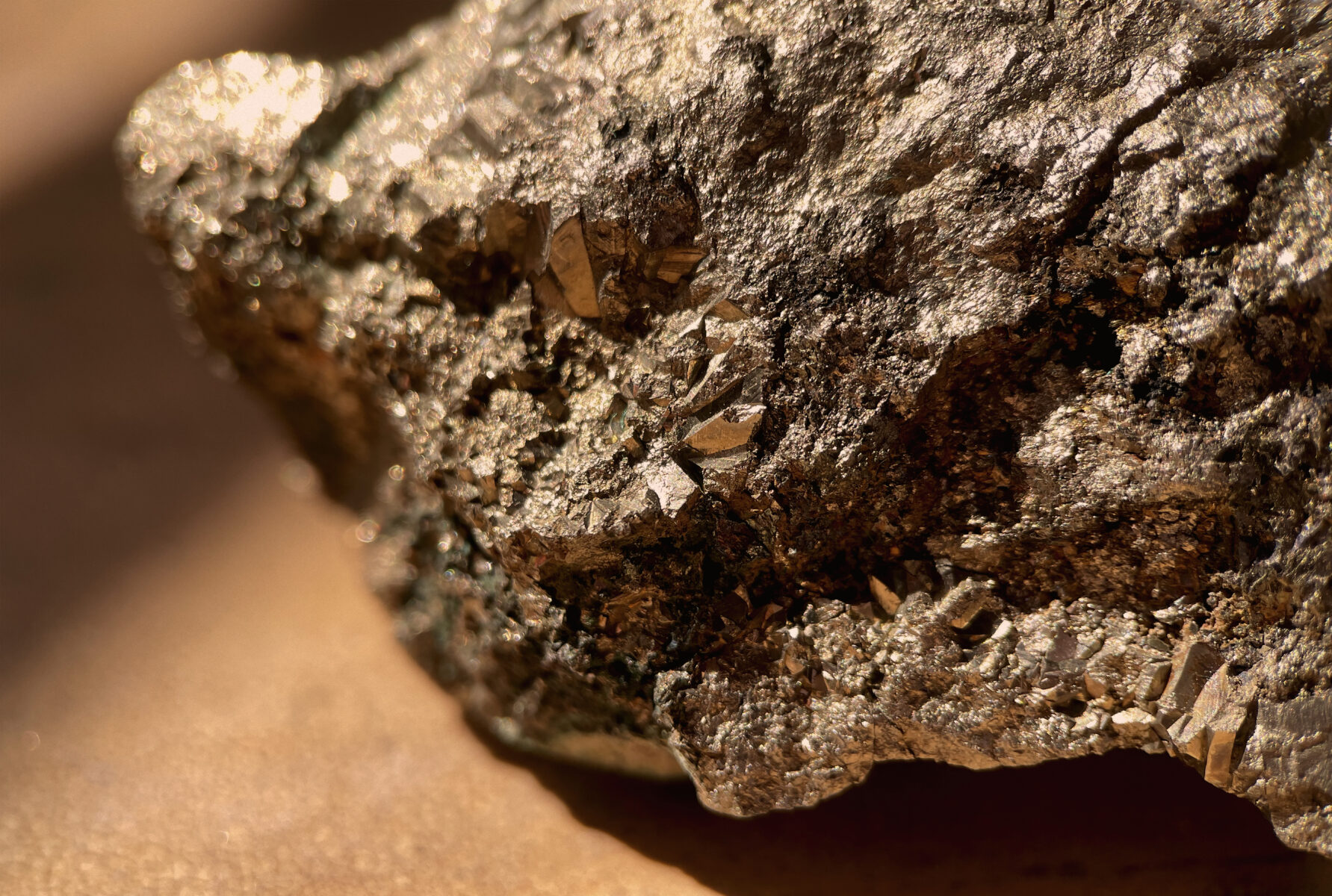
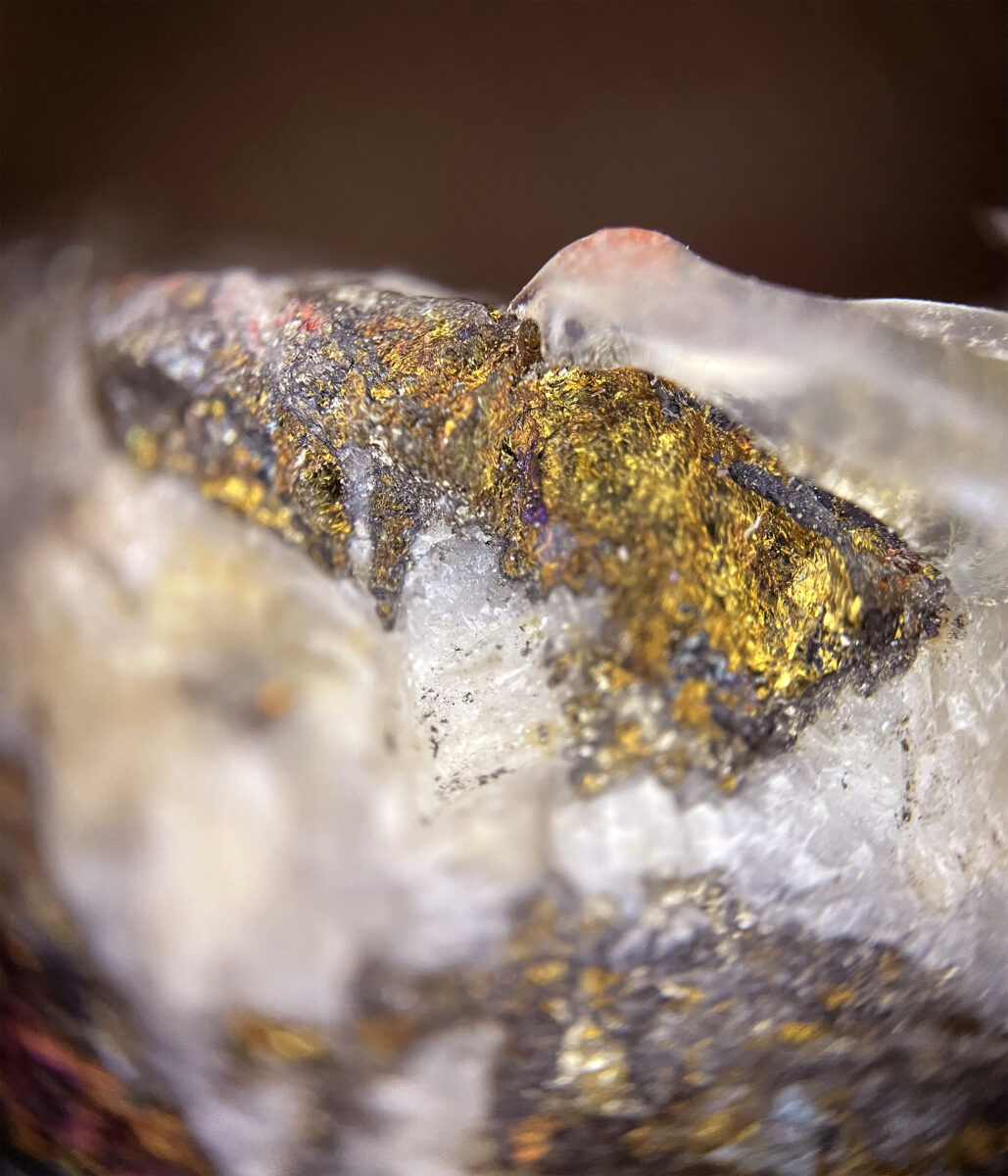
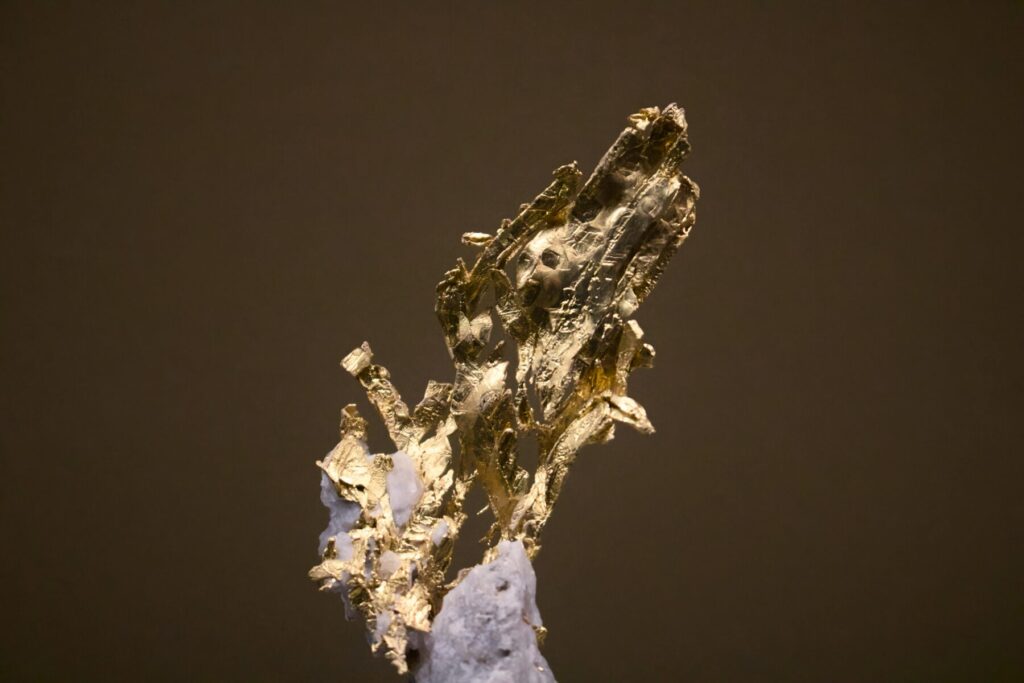
Precious metals such as gold, silver, and platinum group metals are rarely found in pure form. Instead, they are embedded within rock, mineral matrices, or composite materials such as quartz veins, sulfide ores, or complex concentrates. Before these metals can be recovered, the surrounding material must be reduced in size and the valuable components liberated from the host material.
This makes size reduction one of the most critical steps in the entire mineral processing workflow. The effectiveness of this stage directly impacts recovery rates, downstream efficiency, and overall operating costs.
Read More: Equipment Solutions for the Mining Industry: How Schutte Hammermill Enhances Efficiency and Resource Recovery
Size reduction enables:
- Material Liberation
The primary goal of size reduction in ore processing is liberation — breaking down the host material to expose and release valuable metals. Properly engineered size reduction systems strike the balance between sufficient liberation and over-grinding, which can create fines that are more difficult to recover.- Gold is often locked within quartz or sulfide matrices
- Incomplete liberation results in unrecovered metal and lower yields
- Progressive size reduction ensures that valuable particles are fully exposed
Read More: Improving Gold Ore Liberation with Industrial Hammer Milling Technology
- Improved Recovery Rates
When particle size is too large, valuable metals remain trapped. When it is too fine, recovery efficiency can drop due to handling and process limitations. Controlled size reduction ensures optimal conditions for maximum recovery. Consistent and appropriate particle size is essential for downstream recovery methods such as:- Gravity separation
- Flotation
- Heap leaching and tank leaching
- Cyanidation and chemical extraction processes
- Process Optimization
Uniform feedstock improves the performance of all downstream equipment and processes. This consistency allows operators to fine-tune processing parameters, improving throughput and overall system reliability.- Crushers and mills operate more efficiently with consistent feed
- Separation systems rely on predictable particle size distribution
- Reduced variability leads to more stable processing conditions
- Reduced Energy Consumption
Comminution (crushing and grinding) is one of the most energy-intensive steps in mineral processing. By controlling size reduction early in the process, operations can significantly reduce energy costs while maintaining or improving recovery rates.- Efficient pre-processing reduces the workload on fine grinding equipment
- Proper sizing minimizes unnecessary reprocessing and recirculation
- Optimized particle size distribution reduces total energy per ton processed
- Preparation for Downstream Separation
Size reduction also prepares material for classification and separation stages. This step ensures that downstream systems receive material in the correct size range for efficient operation.- Enables effective screening and sizing
- Improves performance of hydrocyclones and classifiers
- Supports clean separation of valuable and waste material streams
Let’s Connect!
Key Takeaway
In gold and ore processing, size reduction is not just a preliminary step — it is a performance driver. The degree of liberation, particle size consistency, and overall efficiency achieved during this stage directly determine the success of the entire recovery process.
Schutte Hammermill Solutions for Ore and Metals Processing
Size reduction is typically the first stage in mineral processing, preparing material for downstream recovery. Proper sizing at each stage directly impacts recovery efficiency and operational cost.
Key stages of size reduction include:
Primary
Reduces large rock into manageable feedstock
Jaw Crusher
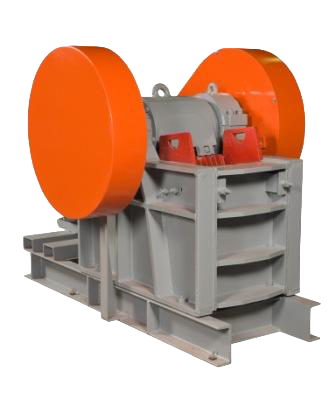
Primary Reduction for Hard Rock & Large Ore Feedstock
- Designed for the initial reduction of large, heavy, and abrasive materials
- Ideal for hard rock mining applications including gold, silver, and copper ore
- Produces manageable feedstock for downstream hammer milling and grinding
- Rugged construction engineered for demanding mineral processing environments
Max Input:
Up to ~39″ rock/ore
Typical Output:
3″–6″ minus primary crush
RC Series
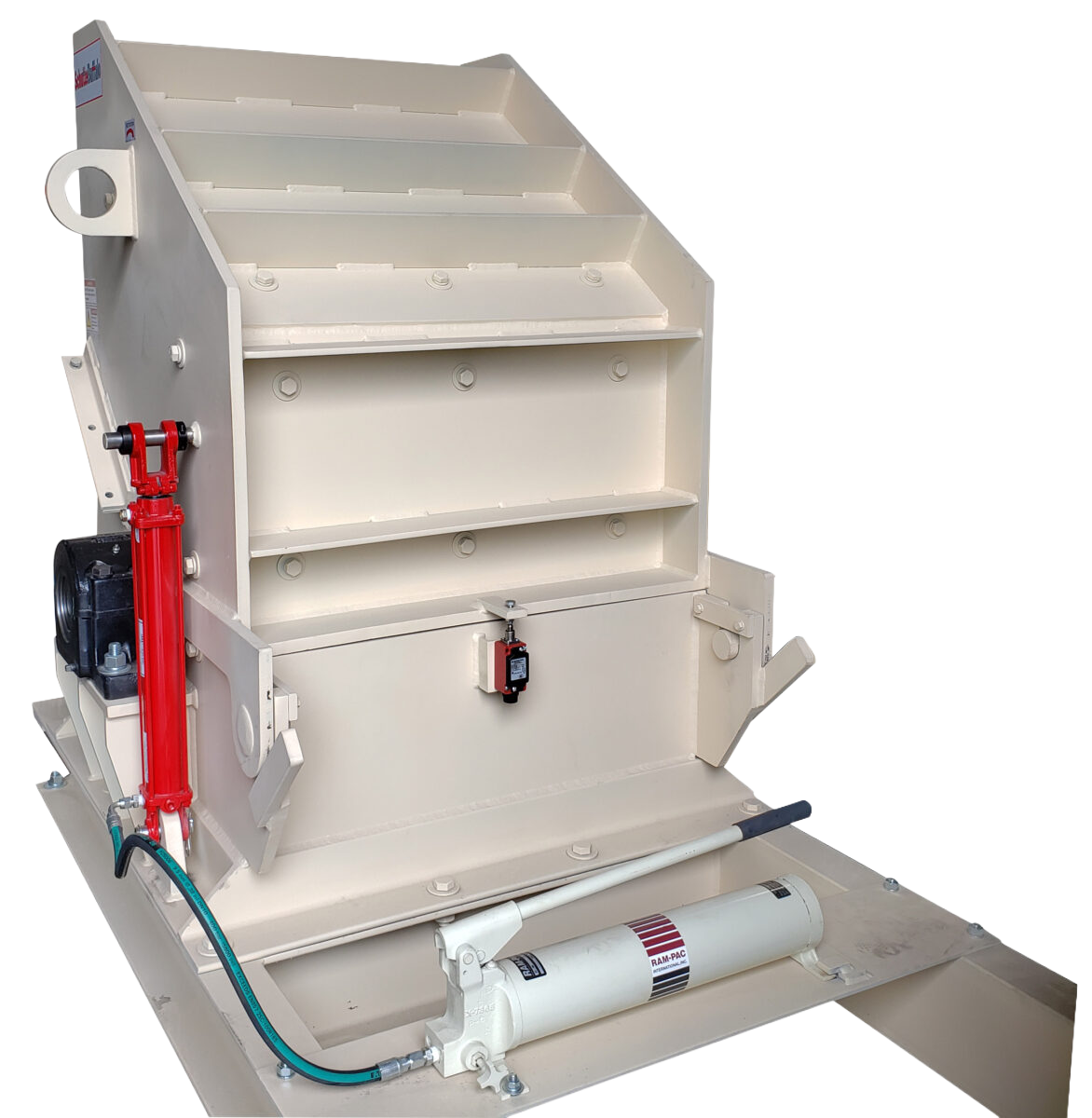
Heavy-Duty Processing for Abrasive Materials
- Designed for high-capacity crushing of hard rock and mineral ores
- Built to withstand highly abrasive materials such as quartz-bearing gold ore
- Produces consistent particle size for downstream grinding and recovery
- Ideal for primary and secondary size reduction in mining operations
Max Input:
Up to 6″–8″ pre-crushed ore
Typical Output:
1/2″ nominal
Secondary
Produces smaller particles for further processing
RC Series
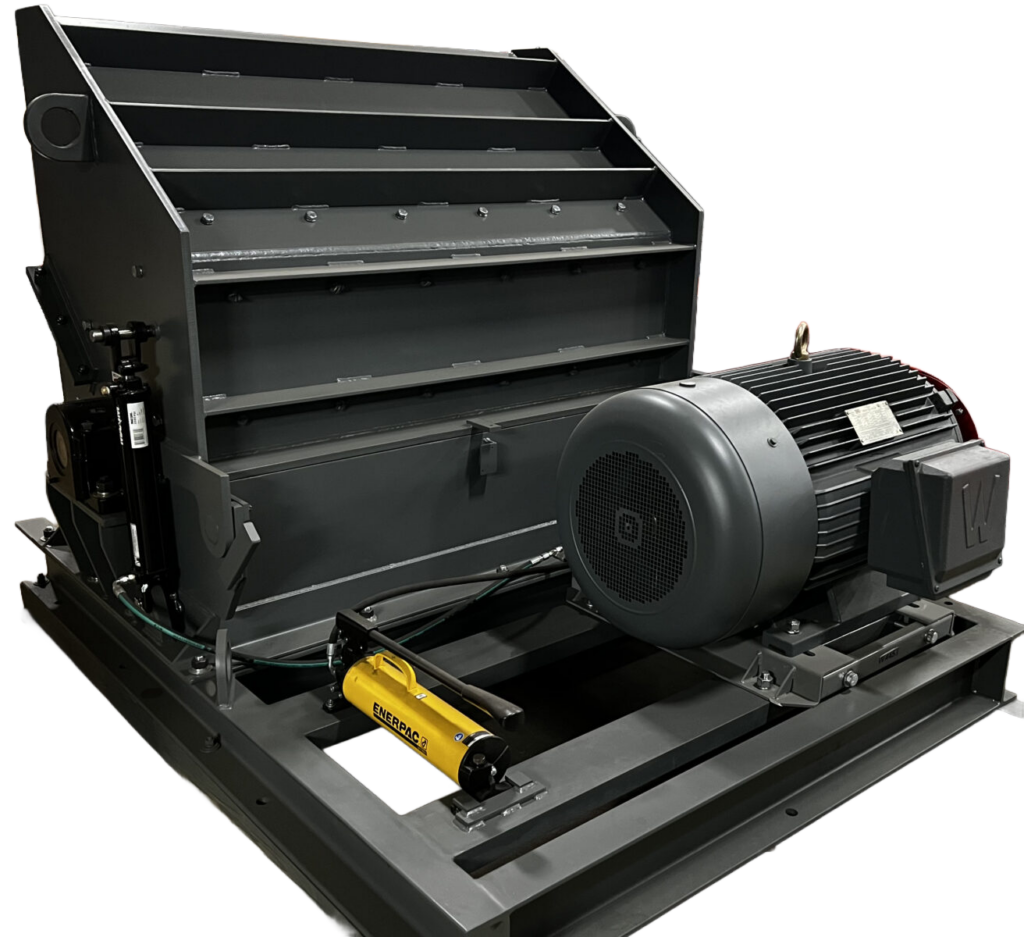
Heavy-Duty Processing for Abrasive Materials
- Designed for high-capacity crushing of hard rock and mineral ores
- Built to withstand highly abrasive materials such as quartz-bearing gold ore
- Produces consistent particle size for downstream grinding and recovery
- Ideal for primary and secondary size reduction in mining operations
Max Input:
Up to 3″–4″ ore
Typical Output:
1/4″ – 1/2″ nominal
WA Series
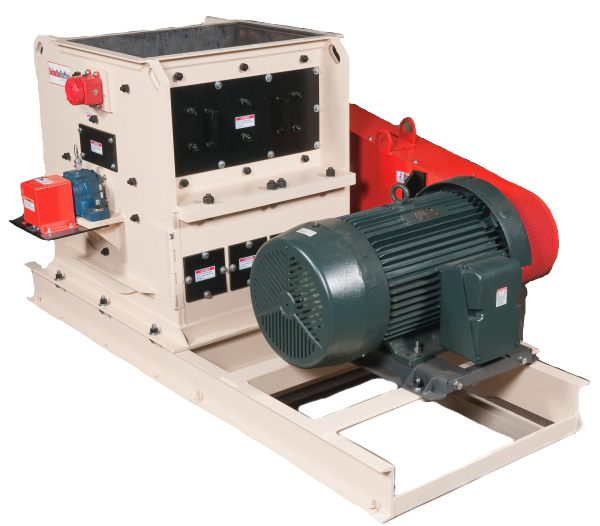
Versatile Size Reduction for Mineral Applications
- Suitable for a wide range of ore and mineral materials
- Configurable for various particle size requirements
- Reliable performance in continuous, high-throughput environments
- Ideal for secondary reduction and process refinement
Max Input:
Up to 2″ ore
Typical Output:
1/8″ – 1/4″ nominal
Fine Grinding
Maximizes liberation of embedded metals
WA Series
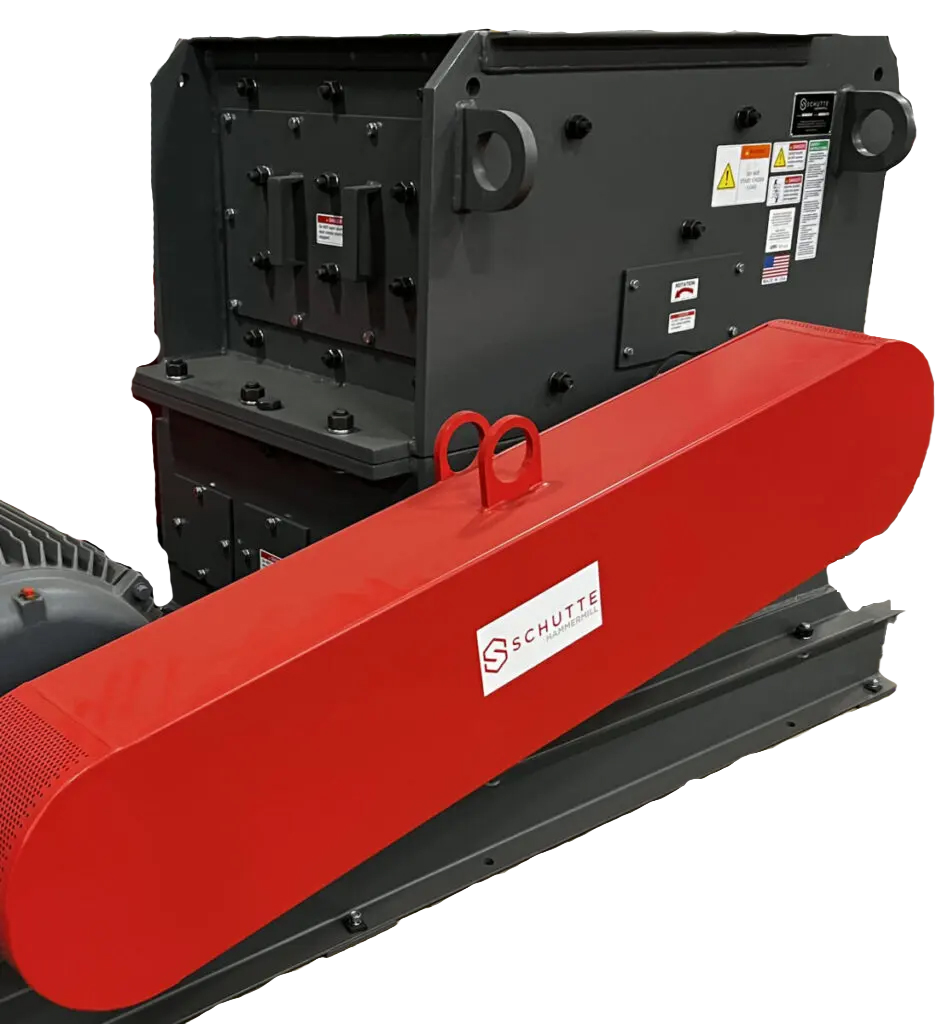
Versatile Size Reduction for Mineral Applications
- Suitable for a wide range of ore and mineral materials
- Configurable for various particle size requirements
- Reliable performance in continuous, high-throughput environments
- Ideal for secondary reduction and process refinement
Max Input:
Up to 1″ pre-crushed ore
Typical Output:
1/16″–1/8″ minus
RAS Series
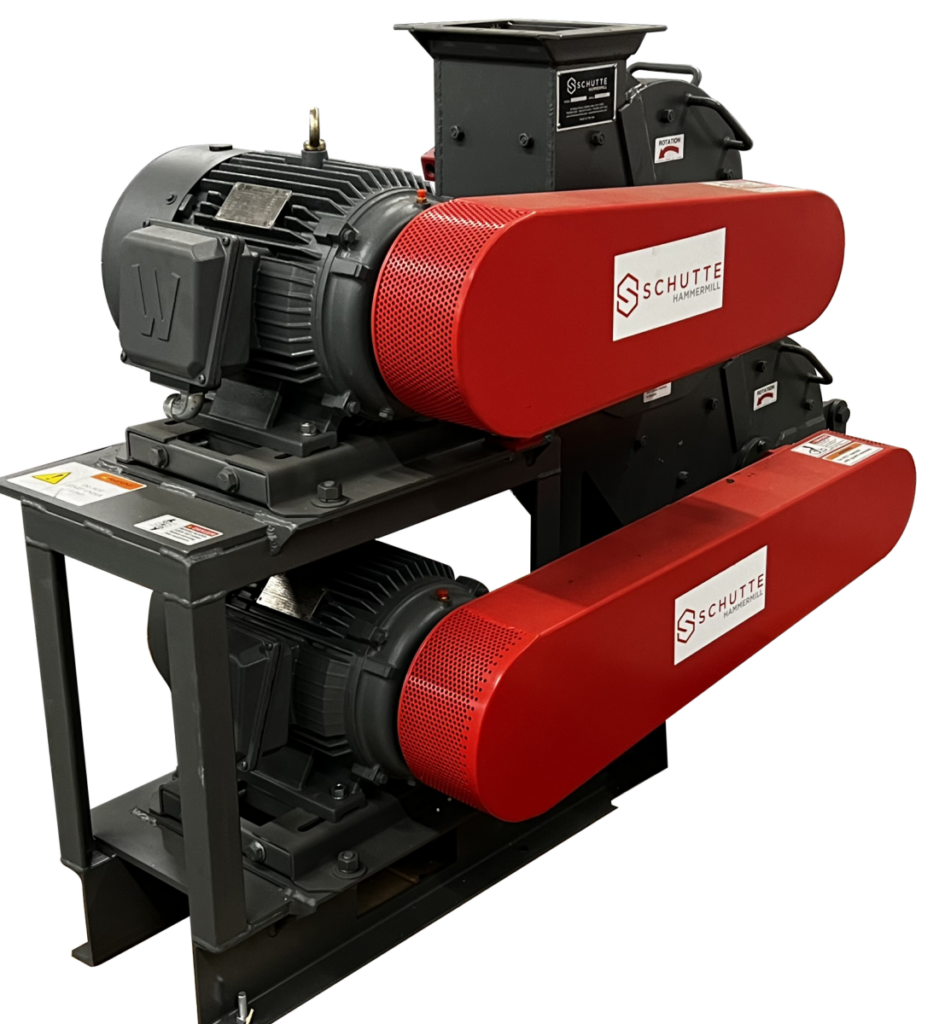
High-Throughput Processing for Metal-Bearing Materials & Urban Mining
- Dual-stage grinding design for enhanced material liberation
- Produces fine, consistent particle sizes for downstream separation
- Ideal for processing complex, metal-bearing feedstocks such as e-scrap and concentrates
- Supports recovery of precious metals in both traditional and urban mining applications
Max Input:
Up to 3/4″–1″ pre-crushed ore
Typical Output:
10-60 mesh. P80 around 40 mesh in tested ore using 5/64” grate. Various cut/screen sizes available.
FAQs: Frequently Asked Questions about Mining and Ore Processing
- What equipment is used for gold ore processing?
Answer: Gold ore processing typically involves crushers, hammer mills, and grinding equipment to reduce material size and prepare it for recovery processes such as flotation or leaching.
- Why is particle size important in gold recovery?
Answer: Proper particle size ensures that gold is fully liberated from surrounding material, improving recovery rates and process efficiency.
- Can hammer mills process hard rock ore?
Answer: Yes. Heavy-duty hammer mills are designed to process abrasive materials such as quartz-bearing gold ore and other mineral deposits.
- What is material liberation in mining?
Answer: Material liberation refers to breaking down ore so that valuable minerals can be separated from surrounding rock or waste material.
- Can size reduction improve recovery from tailings?
Answer: Yes. Reprocessing tailings with proper size reduction can expose additional recoverable metals that were not captured in initial processing.
Ready to dive deeper?
Check out these recent articles for even more information about precious metals processing, and how Schutte Hammermill can help your process!