Thách thức ngày càng tăng của việc tái chế cánh tuabin gió, và tại sao quá trình xử lý lại quan trọng

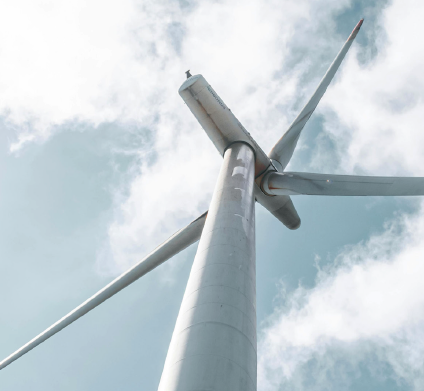
Việc mở rộng năng lượng gió đã mang lại những lợi ích đáng kể về môi trường và kinh tế trong hai thập kỷ qua. Tuy nhiên, một vấn đề thầm lặng hơn đang xuất hiện đằng sau hậu trường: cánh tuabin cũ sắp hết tuổi thọ, và các phương pháp xử lý truyền thống không còn bền vững hoặc khả thi trên quy mô lớn. Không giống như tháp thép hoặc các thành phần nhôm, turbine bladesĐọc thêm »

Mài cánh tuabin gió: Chuẩn bị vật liệu composite để tái sử dụng xây dựng

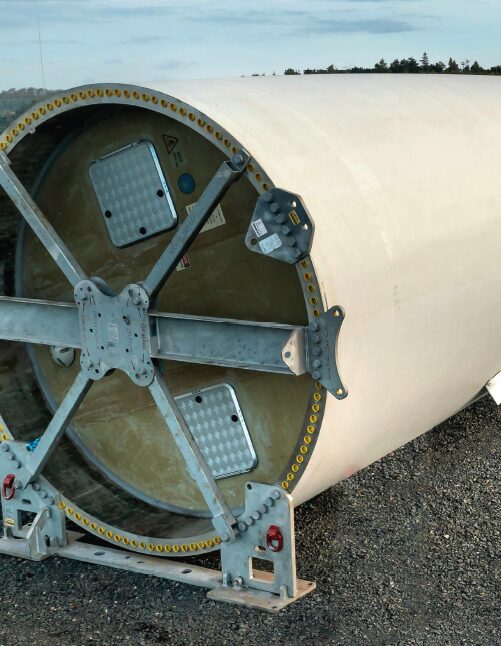
Wind turbine blades are engineered composites designed to resist fatigue, weather, and structural stress. When reduced properly, nhưng, these materials can function as reinforcement fibers or fillers in construction products or soil additives. The key lies in achieving controlled, repeatable particle sizing while handling abrasive, nguyên liệu không đều.

Sản xuất than sinh học: Vai trò của việc giảm kích thước

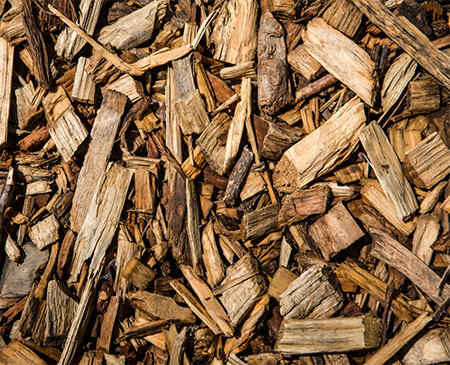
As biochar continues to gain traction across agriculture, energy, and environmental remediation markets, producers are under increasing pressure to improve process efficiency, product consistency, and throughput. While pyrolysis technology often takes center stage, one critical factor is frequently overlooked: Kích thước giảm. Properly reducing biomass feedstock size before pyrolysis plays a pivotal role in biochar quality,… Đọc thêm »

Cách giảm kích thước giúp tái chế thảm và thu hồi vật liệu

Size reduction is the foundation of effective carpet recycling. Post-consumer carpet enters recycling facilities in bulky, irregular forms—rolled, folded, or compacted. Không giảm kích thước thích hợp, these materials are impossible to handle efficiently or process consistently. What Size Reduction Accomplishes Properly engineered hammer mill systems allow recyclers to: Primary and Secondary Processing In many carpet recyclingĐọc thêm »