
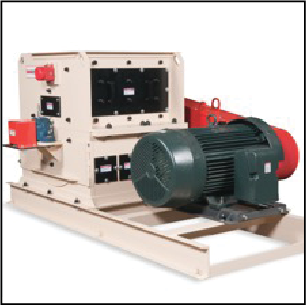
近年來,玻璃回收受到了顯著關注, 這是有充分理由的. 隨著對環境問題的日益關注,以及減少廢物和能源消耗的需求, 玻璃回收已成為可持續發展的關鍵方面. One key aspect of glass recycling that often goes unnoticed but is of paramount importance is size reduction. Let’s explore why size reduction is crucial in glass recycling and why hammer mills are the best option for achieving this task efficiently.
The Importance of Glass Recycling
Glass recycling has several environmental benefits, making it a crucial aspect of the sustainability puzzle. These benefits include:
- Conservation of Natural Resources: Glass is made from raw materials like sand, soda ash, and limestone. By recycling glass, 我們減少了開採和加工這些有限資源的需求, 為未來世代保留它們.
- 節能: 從原材料製造玻璃需要大量能源. 回收玻璃消耗較少能源, 減少溫室氣體排放並降低碳足跡.
- 減少垃圾填埋量: 玻璃廢料佔據垃圾填埋場的寶貴空間,並可能需要數千年才能分解. By recycling glass, 我們減輕了垃圾填埋場的負擔,並促進更可持續的廢物管理系統.
玻璃回收中的尺寸縮小
玻璃回收從收集和分類玻璃容器及產品開始. 然而, 收集到的玻璃通常過大且尺寸不均,無法有效加工成新產品. 尺寸縮小在多方面都是必需的:
- 熔化效率: 較大的玻璃塊需要更長時間融化並且需要更高的溫度. 減少尺寸可確保玻璃更快熔化, 降低製造過程中的能源消耗.
- 品質提升: 較小的玻璃顆粒能產生更一致且高品質的最終產品. 這對於用於新容器或玻璃纖維生產的玻璃尤為重要.
- 運輸與搬運: 較小的玻璃顆粒更易於運輸和搬運, 減少相關成本與環境影響.
- 安全性: 破碎的玻璃可能很鋒利,對工作人員構成安全風險. 減小玻璃碎片的尺寸,使搬運與加工更安全.
為何錘式磨機是最佳選擇
在玻璃回收的各種尺寸減小技術中, hammer mills stand out as the optimal choice for several reasons:
- 多功能性: Hammer mills can process a wide range of materials, including glass, making them versatile tools for recycling facilities.
- High Efficiency: 錘式磨機以高效率減小玻璃尺寸而聞名. 它們可以快速且穩定地將玻璃減小到所需的顆粒尺寸, 無論是用於回收還是其他應用.
- 污染最小: 錘式磨機產生的污染和粉塵最少, 確保回收玻璃的品質.
- 耐用性: 錘式磨機結實耐用,維護需求低, 使其成為回收設施的成本效益解決方案.
能源效率: 錘式磨機與其他破碎方法相比消耗更少能源, 有助於玻璃回收過程中的整體節能.
尺寸減小是玻璃回收過程中的基本步驟, 有助於提高效率, 產品品質, 和可持續性. 在現有的尺寸減小技術中, hammer mills have proven to be the best option due to their versatility, high efficiency, minimal contamination, 耐用性, and energy efficiency.
As the world continues to prioritize sustainability and environmental responsibility, the importance of glass recycling and the role of hammer mills in this process cannot be overstated. By promoting efficient size reduction through hammer mills, we can maximize the benefits of glass recycling, from conserving resources and reducing energy consumption to minimizing landfill waste and promoting a greener, more sustainable future.