
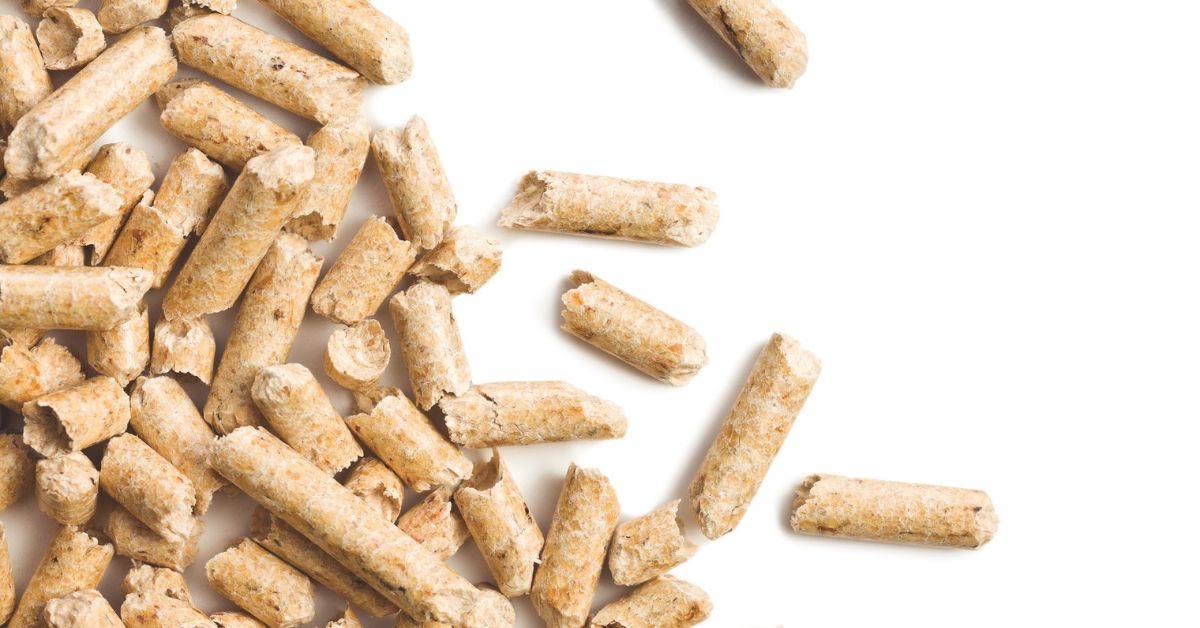
From producing livestock feed to creating biofuels, pellet mills are powerful machines that are driving efficiency like never before. By compressing materials like hay, 玉米, or wood into dense pellets, pellet mills help reduce waste, simplify transportation, and optimize storage.
Their versatility and adaptability make them imperative pieces of equipment for farmers, feed manufacturers, and energy producers alike. How? This article will take a close, inside look at the role of pellet mills in the agricultural industry.
The Importance of Pellet Mills in Agriculture
What Are Pellet Mills?
Pellet mills, simply put, compress various materials into tightly packed, easy-to-handle pellets. These machines work by applying pressure and heat to raw materials, transforming them into uniform and dense pellets that serve a wide range of purposes.
Common feedstocks for pellet mills include biomass materials like wood; agricultural byproducts such as husks, 稻草, and corn stalks; and grains used for animal feed. Their ability to transform loose, bulky materials into manageable products makes pellet mills invaluable tools in modern farming.
Relevance to Modern Agriculture
Traditional agricultural practices often result in significant waste and inefficient use of natural resources. 举个例子, leftover crop residues or organic byproducts typically go unused or are discarded, contributing to environmental issues such as excess greenhouse gas emissions.
Pellet mills offer an innovative solution by converting these waste materials into valuable pellets that can be repurposed. These pellets are not only easier to transport and store but also serve as nutrient-rich feed for livestock, 有机肥料, 甚至用于能源生产的燃料.
环保解决方案
全球向可持续农业的转变强调在保持生产力的同时尽量减少对环境的影响. 颗粒机通过实现废物向资源的转化来促进这一转变. 原本会分解并向大气释放甲烷的农业副产品可以转化为环保的生物质颗粒.
这些颗粒随后可以作为可再生能源使用, 在农场及其他运营中替代化石燃料. 通过支持循环资源使用, 颗粒机与更广泛的可持续发展愿景相一致, 帮助小规模和大规模农业实践减少碳足迹.
颗粒机在农业中的应用
动物饲料生产
Pellet mills play a vital role in the production of high-quality animal feed, turning raw agricultural materials, such as grains, 玉米, soybean meal, and various additives, into compact, nutrient-dense pellets. This process not only optimizes feed storage and handling but also ensures a balanced nutritional profile for livestock such as poultry, cattle, swine, and fish. By using pellet mills to compress essential nutrients into uniform pellets, farmers can ensure consistent feeding efficiency, allowing animals to consume all necessary minerals and vitamins in every serving.
举个例子, dairy farmers often use pellet mills to create custom feed blends enriched with calcium and protein, promoting healthier livestock and, consequently, higher milk yields. 另外, this process reduces waste as animals consume more nutrient-rich feed without sifting through grain particles, making pellet mills invaluable tools for sustainable and efficient farming.
Fertilizer Pellets
Another practical application of pellet mills in agriculture is the production of fertilizer pellets. Organic waste, including livestock manure, crop residue, and even food processing byproducts, can become nutrient-rich pellets that serve as eco-friendly alternatives to chemical fertilizers. Poultry farms can utilize chicken manure, which is naturally high in nitrogen, while crop farms can utilize leftover straw or husks as feedstock.
The pelletizing process enhances the usability of these materials by converting loose organic matter into small, dense pellets that are easy to store, transport, and apply to fields. These pellets slowly release nutrients into the soil, improving crop health over time while reducing runoff and environmental pollution. This method not only supports sustainable farming practices but also addresses the growing demand for organic farming inputs.
Energy and Biofuel Production
Pellet mills are at the forefront of renewable energy production within the agricultural sector. Converting agricultural biomass, such as wood chips, corn stalks, and sugarcane bagasse, into biofuel pellets creates a sustainable energy source to replace fossil fuels.
Industries can use biofuel pellets in stoves, boilers, and industrial power plants, providing clean and efficient energy with lower carbon emissions. 举个例子, sugarcane farms in Brazil often process bagasse into biofuel pellets, generating both heat and electricity to support their farming operations while exporting excess energy to the local grid. This dual benefit of efficient energy production and agricultural waste utilization makes pellet mills an essential part of renewable energy strategies across the globe.
Waste Management
Pellet mills are also transforming agricultural and food processing waste into valuable products. This includes converting husks, shells, or other byproducts from crop processing into bedding materials for livestock or soil enhancers. Rice husks left over from milling can be pelletized to serve as absorbent cattle bedding or mulch for gardens.
Similarly, food processing waste, such as fruit pulp or vegetable scraps, can be turned into recyclable pellets for composting or energy purposes. By repurposing waste into usable forms, pellet mills significantly reduce the environmental impact of agricultural operations, promoting a circular economy and minimizing landfill contributions.
Benefits for Farmers and Manufacturers
成本节约
One of the primary advantages of utilizing pellet mills is the significant reduction in waste disposal costs. By repurposing agricultural and food processing byproducts, farmers and manufacturers can transform waste into value-added products such as animal feed, biofuels, or soil conditioners. This not only minimizes disposal expenses but also makes efficient use of resources that would otherwise go to waste.
Increased Efficiency
Pellets offer practical benefits in terms of ease of transport and storage. Their compact form takes up less space, 从而降低运输成本并简化物流. 对于畜牧农民而言, 颗粒饲料通过提供统一且易于管理的饲料,简化了喂养流程, 从而提高了运营效率并节省时间.
环境可持续性
将农作物废料制成颗粒有助于环境可持续发展,鼓励再利用和回收. 将副产品转化为可用形式减少了对垃圾填埋场的依赖,并降低了有机废料分解产生的甲烷排放. 作为一个结果, 颗粒机使农民和制造商能够为循环农业经济做出贡献, 促进环保实践.
盈利机会
农业从业者可以将多余的颗粒销售给其他农场, 能源生产商, 或依赖生物基材料的行业. 这为农民和制造商创造了额外的收入来源, 将曾被认为是废料的东西转变为有利可图的业务. 通过从多余颗粒中创收, 农业企业可以在支持更广泛的行业可持续发展计划的同时增强财务稳定性.
使用这些了不起的机器所带来的结果? 最大限度地利用资源, 最小化浪费, 以及应对当今一些最大挑战的可持续解决方案.
如果您准备好亲自见证创新与可持续性的结合, 让 颗粒机 成为您当前流程的一部分. 探索Schutte Hammermill的各种型号和尺寸. 我们相信一定有一款适合您独特需求的磨机,并能将您的运营提升到新的水平!