
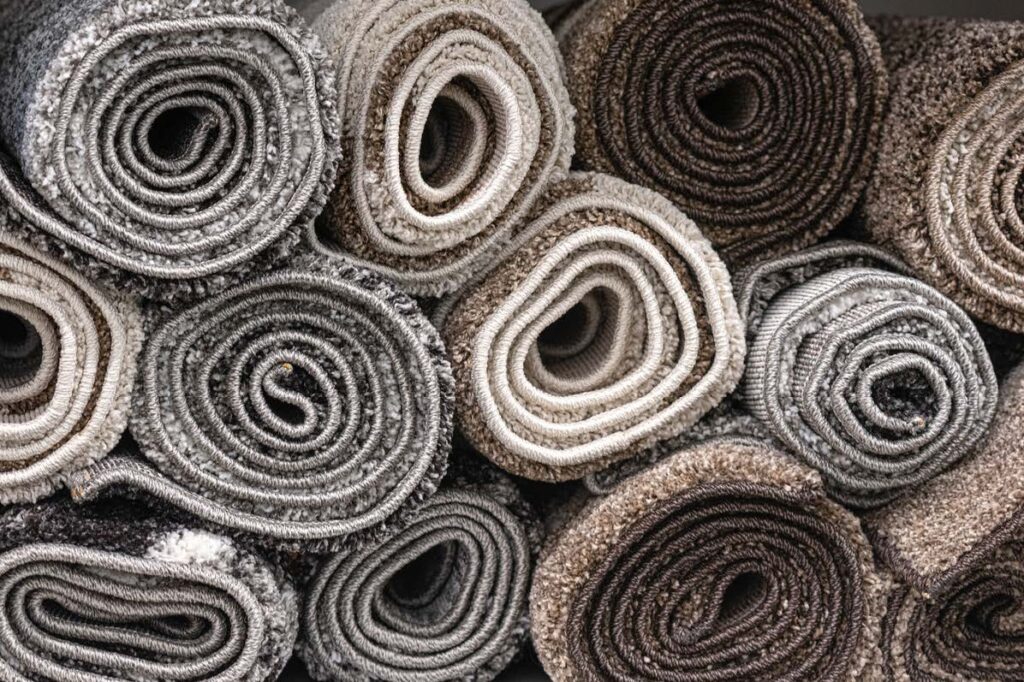
Engineered systems for processing post-consumer carpet, separating reusable materials, and supporting compliance with evolving recycling regulations.
Carpet is one of the most challenging post-consumer waste streams to recycle. Made from layered composites of fibers, adhesives, and mineral-filled backing, used carpet has historically been landfilled due to its bulk, complexity, and processing difficulty.
Today, that’s changing. New state-level regulations, manufacturer recycled-content requirements, and rising disposal costs are driving increased demand for effective carpet recycling solutions. At the center of these solutions is size reduction—the critical first step that enables material separation, recovery, and reuse.
Schutte Hammermill 提供经过验证的尺寸减小系统,专门设计用于处理废旧地毯,并为下游回收和分类做好准备.
为什么地毯回收正在获得动力
Over the past several years, multiple U.S. 各州已引入或扩大法规,旨在减少地毯废弃物并增加新地毯制造中的再生材料含量. 这些措施是推动生产者延伸责任更广泛努力的一部分 (EPR), 将更多报废责任转移给制造商和供应商.
主要的监管趋势包括:
- Minimum post-consumer recycled (PCR) content requirements in new carpet products
- Restrictions on certain backing materials and additives
- Increased diversion targets to reduce landfill disposal
While requirements vary by state, the direction is clear: carpet must be recyclable at scale. This shift is accelerating investment in processing technologies capable of handling post-consumer carpet efficiently and economically.
阅读更多: 为什么地毯回收在美国正在获得动力.
尺寸减小在地毯回收中的作用
Size reduction is the foundational step in carpet recycling. By breaking down bulky rolls, tiles, and slabs into smaller, manageable particles, size reduction enables:
- Liberation of fibers from mineral-filled backing systems
- Reduction of material volume for efficient handling and transport
- Preparation of material for downstream separation technologies
Without proper size reduction, carpet materials remain too entangled and inconsistent for effective recovery.
阅读更多: 粒度减小如何实现地毯回收和材料回收
去除碳酸钙底层以回收材料
Many carpet backing systems contain high levels of calcium carbonate filler. While essential for carpet performance, this mineral content complicates recycling by contaminating fiber streams.
Schutte Hammermill size reduction systems are engineered to:
- Break down backing systems effectively
- Release calcium carbonate from polymer fibers
- Produce material suitable for air classification and separation
This process allows recyclers to recover cleaner polymer fractions while isolating mineral-heavy fines into separate output streams.
阅读更多: 了解地毯结构: 为什么回收如此具有挑战性
让我们联系!
Schutte Hammermill 的地毯回收解决方案
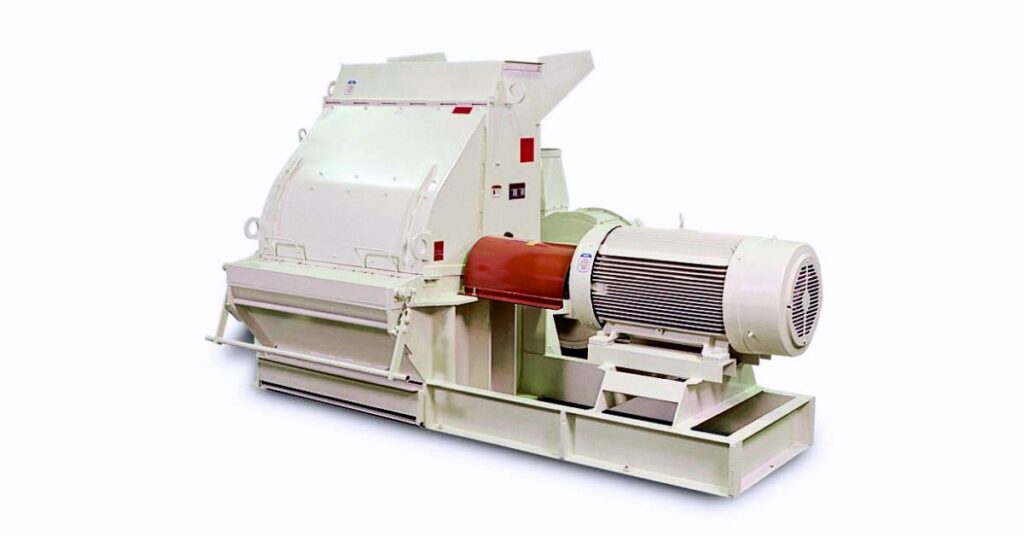
15 “Liberator” 系列锤磨机
Designed for aggressive primary size reduction, 的 15 Series Liberator excels at processing tough, composite materials such as post-consumer carpet.
Key advantages:
- Effective liberation of backing systems and fibers
- Fixed rotor design for consistent, high-impact processing
- Capable of handling rolled, folded, or slab carpet
WA系列锤式粉碎机
The modified WA series is ideal for secondary size reduction or refinement following primary processing.
Key advantages:
- Controlled particle sizing
- Consistent output for downstream separation
- Adaptable configurations based on material and throughput goals
现场演示!
常见问题解答
Carpet is made from multiple bonded materials, including fibers, adhesives, and mineral-filled backing, which must be separated for effective recycling.
Schutte Hammermill systems can process nylon, polyester, and olefin-based carpets, including broadloom carpet and carpet tile.
是的. Proper size reduction liberates calcium carbonate from polymer fibers, 通过空气分级实现分离.
一个完整的系统通常包括初级和次级破碎设备,以及用于材料分离的可选空气分级装置.
是的. Schutte Hammermill的工程师可以根据具体回收目标提供完整的破碎和分离系统.
回收的实用解决方案 地毯
希望更高效地处理消费者使用后的地毯? 我们的应用说明概述了主要挑战, 材料考虑因素, 以及现代地毯回收系统中涉及的破碎解决方案.