
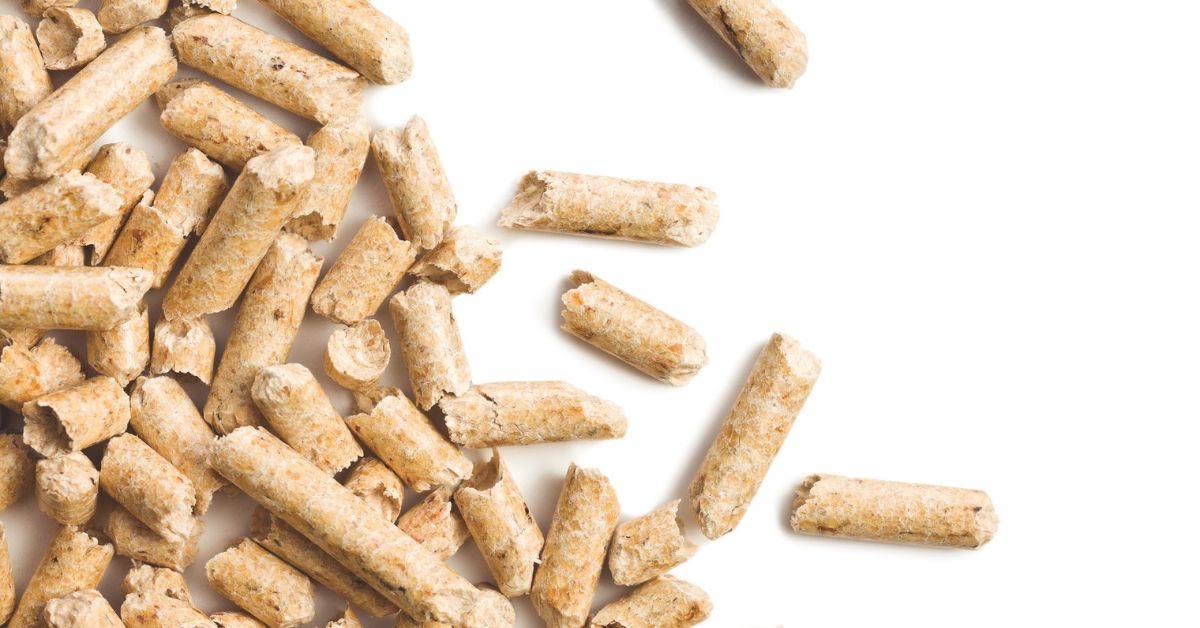
From producing livestock feed to creating biofuels, pellet mills are powerful machines that are driving efficiency like never before. By compressing materials like hay, 玉米, or wood into dense pellets, pellet mills help reduce waste, simplify transportation, and optimize storage.
Their versatility and adaptability make them imperative pieces of equipment for farmers, feed manufacturers, and energy producers alike. How? This article will take a close, inside look at the role of pellet mills in the agricultural industry.
The Importance of Pellet Mills in Agriculture
What Are Pellet Mills?
Pellet mills, simply put, compress various materials into tightly packed, easy-to-handle pellets. These machines work by applying pressure and heat to raw materials, transforming them into uniform and dense pellets that serve a wide range of purposes.
Common feedstocks for pellet mills include biomass materials like wood; agricultural byproducts such as husks, 稻草, and corn stalks; and grains used for animal feed. Their ability to transform loose, bulky materials into manageable products makes pellet mills invaluable tools in modern farming.
Relevance to Modern Agriculture
Traditional agricultural practices often result in significant waste and inefficient use of natural resources. 舉個例子, leftover crop residues or organic byproducts typically go unused or are discarded, contributing to environmental issues such as excess greenhouse gas emissions.
Pellet mills offer an innovative solution by converting these waste materials into valuable pellets that can be repurposed. These pellets are not only easier to transport and store but also serve as nutrient-rich feed for livestock, 有機肥料, 甚至作為能源生產的燃料.
環保解決方案
全球向可持續農業的轉變強調在維持生產力的同時最小化對環境的影響. 顆粒機通過促進廢棄物轉化為資源來幫助實現這一轉變. 那些原本會分解並釋放甲烷到大氣中的農業副產品可以被轉化為環保生物質顆粒.
這些顆粒隨後可以作為可再生能源使用, 取代農場及其他作業中的化石燃料. 通過支持循環資源利用, 顆粒機與更廣泛的可持續性願景保持一致, 幫助小型和大型農業實踐減少碳足跡.
顆粒機在農業中的應用
動物飼料生產
Pellet mills play a vital role in the production of high-quality animal feed, turning raw agricultural materials, such as grains, 玉米, soybean meal, and various additives, into compact, nutrient-dense pellets. This process not only optimizes feed storage and handling but also ensures a balanced nutritional profile for livestock such as poultry, cattle, swine, and fish. By using pellet mills to compress essential nutrients into uniform pellets, farmers can ensure consistent feeding efficiency, allowing animals to consume all necessary minerals and vitamins in every serving.
舉個例子, dairy farmers often use pellet mills to create custom feed blends enriched with calcium and protein, 促進更健康的牲畜,以及, 因此, 提高乳量. 另外, 這個過程減少了浪費,因為動物消耗更多富含營養的飼料,而不用篩選穀物顆粒, 使顆粒機成為可持續和高效農業的重要工具.
肥料顆粒
顆粒機在農業中的另一個實用應用是生產肥料顆粒. 有機廢料, 包括牲畜糞便, 作物殘渣, 甚至是食品加工副產品, 都可以變成富含養分的顆粒,作為化學肥料的環保替代品. 家禽場可以利用雞糞, 其天然含氮量高, 而農作物農場則可以利用剩餘的稻草或穀殼作為原料.
顆粒化過程通過將鬆散的有機物轉化為小顆粒,提高了這些材料的可用性, dense pellets that are easy to store, transport, and apply to fields. These pellets slowly release nutrients into the soil, improving crop health over time while reducing runoff and environmental pollution. This method not only supports sustainable farming practices but also addresses the growing demand for organic farming inputs.
Energy and Biofuel Production
Pellet mills are at the forefront of renewable energy production within the agricultural sector. Converting agricultural biomass, such as wood chips, corn stalks, and sugarcane bagasse, into biofuel pellets creates a sustainable energy source to replace fossil fuels.
Industries can use biofuel pellets in stoves, boilers, and industrial power plants, providing clean and efficient energy with lower carbon emissions. 舉個例子, sugarcane farms in Brazil often process bagasse into biofuel pellets, generating both heat and electricity to support their farming operations while exporting excess energy to the local grid. This dual benefit of efficient energy production and agricultural waste utilization makes pellet mills an essential part of renewable energy strategies across the globe.
廢棄物管理
Pellet mills are also transforming agricultural and food processing waste into valuable products. This includes converting husks, shells, or other byproducts from crop processing into bedding materials for livestock or soil enhancers. Rice husks left over from milling can be pelletized to serve as absorbent cattle bedding or mulch for gardens.
Similarly, food processing waste, such as fruit pulp or vegetable scraps, can be turned into recyclable pellets for composting or energy purposes. By repurposing waste into usable forms, pellet mills significantly reduce the environmental impact of agricultural operations, promoting a circular economy and minimizing landfill contributions.
Benefits for Farmers and Manufacturers
成本節省
One of the primary advantages of utilizing pellet mills is the significant reduction in waste disposal costs. By repurposing agricultural and food processing byproducts, farmers and manufacturers can transform waste into value-added products such as animal feed, biofuels, or soil conditioners. This not only minimizes disposal expenses but also makes efficient use of resources that would otherwise go to waste.
Increased Efficiency
Pellets offer practical benefits in terms of ease of transport and storage. Their compact form takes up less space, leading to reduced transportation costs and simpler logistics. For livestock farmers, 顆粒飼料通過提供均勻且易於管理的飼料原料來簡化餵養過程, 從而提高運營效率並節省時間.
環境永續性
將農業廢料製成顆粒有助於環境永續性,鼓勵重複使用和回收. 將副產品轉化為可用形式可減少對填埋場的依賴,並降低有機廢料分解產生的甲烷排放. 作為一個結果, 顆粒製造機使農民和製造商能夠參與循環農業經濟, 促進環保做法.
利潤機會
農業工作者可以將多餘的顆粒銷售給其他農場, 能源生產者, 或依賴生物基材料的工業. 這為農民和製造商創造了額外的收入來源, 將曾被認為是廢物的東西轉變為有利可圖的事業. In generating revenue from surplus pellets, agricultural enterprises can bolster their financial stability while supporting broader industry sustainability initiatives.
The result of using these incredible machines? Maximum resource utilization, minimal waste, and sustainable solutions to some of today’s biggest challenges.
If you’re ready to see for yourself where innovation meets sustainability, make pellet mills a part of your process today. Explore Schutte Hammermill’s wide range of models and sizes. We’re sure to have a mill that meets your unique needs and can take your operations to the next level!