
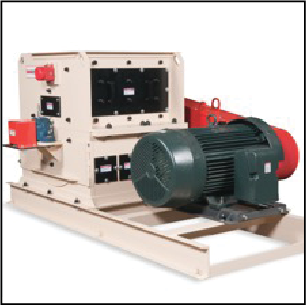
Переработка стекла привлекла значительное внимание в последние годы, и не без основания. С ростом осведомленности об экологических проблемах и необходимости сокращения отходов и потребления энергии, переработка стекла стала критически важным аспектом устойчивого развития. Один из ключевых аспектов переработки стекла, который часто остается незамеченным, но имеет первостепенное значение, — это уменьшение размера. Давайте разберемся, почему уменьшение размера имеет решающее значение в переработке стекла и почему дробилки с молотками являются лучшим вариантом для эффективного выполнения этой задачи.
Важность переработки стекла
Переработка стекла имеет несколько экологических преимуществ, что делает её важным элементом в решении задач устойчивого развития. Эти преимущества включают:
- Сохранение природных ресурсов: Стекло производится из таких сырьевых материалов, как песок, сода, и известняк. Перерабатывая стекло, мы сокращаем необходимость добычи и переработки этих ограниченных ресурсов, сохраняя их для будущих поколений.
- Энергосбережение: Производство стекла из сырья требует значительного количества энергии. Переработка стекла потребляет меньше энергии, снижение выбросов парниковых газов и уменьшение углеродного следа.
- Снижение отходов на свалках: Стеклянные отходы занимают ценное место на свалках и могут разлагаться тысячи лет. Перерабатывая стекло, мы уменьшаем нагрузку на свалки и способствуем более устойчивой системе управления отходами.
Снижение размера стекла при переработке
Переработка стекла начинается со сбора и сортировки стеклянных контейнеров и изделий. Однако, собранное стекло часто слишком большое и неравномерное по размеру, чтобы эффективно перерабатывать его в новые изделия. Снижение размера необходимо по нескольким причинам:
- Эффективность плавки: Крупные куски стекла тают дольше и требуют более высоких температур. Уменьшение размера обеспечивает более быстрое плавление стекла, снижая потребление энергии в производственном процессе.
- Повышение качества: Мелкие частицы стекла обеспечивают более однородный и качественный конечный продукт. Это особенно важно для стекла, используемого в новых контейнерах или при производстве стекловолокна.
- Транспортировка и обработка: Мелкие частицы стекла легче транспортировать и обрабатывать, снижая связанные с этим затраты и экологические последствия.
- Безопасность: Разбитое стекло может быть острым и представлять опасность для работников. Уменьшение размера стеклянных фрагментов делает обработку и переработку безопаснее.
Почему молотковые мельницы — лучший вариант
Среди различных технологий уменьшения размера, доступных для переработки стекла, дробилки с молотками выделяются как оптимальный выбор по нескольким причинам:
- Универсальность: Дробилки с молотками могут перерабатывать широкий спектр материалов, включая стекло, что делает их универсальными инструментами для перерабатывающих предприятий.
- Высокая эффективность: Дробилки с молотками известны своей высокой эффективностью в уменьшении размера стекла. Они могут быстро и стабильно уменьшать стекло до желаемого размера частиц, независимо от того, для переработки или других применений.
- Минимальное загрязнение: Молотковые мельницы создают минимальное загрязнение и пыль, обеспечивая качество перерабатываемого стекла.
- Долговечность: Молотковые мельницы надежны и требуют минимального обслуживания, делая их экономически эффективным решением для комплексов по переработке.
Энергоэффективность: Молотковые мельницы потребляют меньше энергии по сравнению с другими методами уменьшения размера, внося вклад в общую экономию энергии в процессе переработки стекла.
Уменьшение размера является фундаментальным этапом в процессе переработки стекла, способствуя повышению эффективности, качества продукции, и устойчивости. Среди доступных технологий уменьшения размера, молотковые мельницы доказали свою эффективность как лучший вариант благодаря своей универсальности, высокой производительности, минимальному загрязнению, прочности, и энергоэффективности.
Поскольку мир продолжает уделять приоритетное внимание устойчивому развитию и экологической ответственности, важность переработки стекла и роль дробилок с молотковым механизмом в этом процессе нельзя переоценить. Продвигая эффективное уменьшение размера с помощью молотковых дробилок, мы можем максимизировать преимущества переработки стекла, от сохранения ресурсов и снижения потребления энергии до минимизации отходов на свалках и продвижения более зелёного подхода, и устойчивому будущему.