
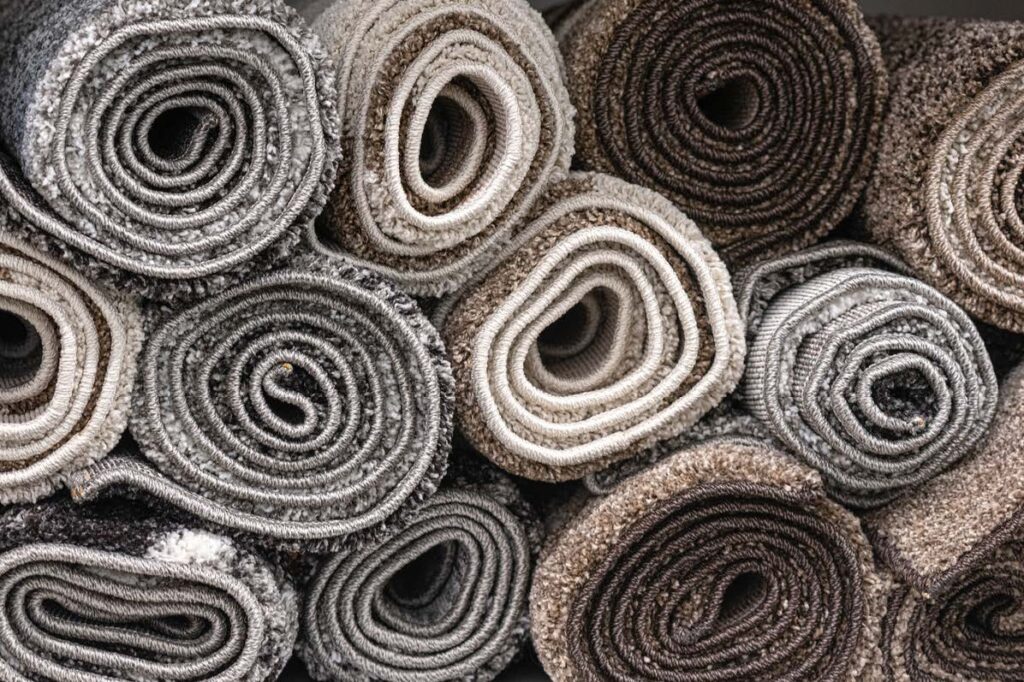
Engineered systems for processing post-consumer carpet, separating reusable materials, and supporting compliance with evolving recycling regulations.
Carpet is one of the most challenging post-consumer waste streams to recycle. Made from layered composites of fibers, adhesives, and mineral-filled backing, used carpet has historically been landfilled due to its bulk, complexity, and processing difficulty.
Сегодня, that’s changing. New state-level regulations, manufacturer recycled-content requirements, and rising disposal costs are driving increased demand for effective carpet recycling solutions. At the center of these solutions is size reduction—the critical first step that enables material separation, восстановлению, and reuse.
Schutte Hammermill предоставляет проверенные системы измельчения, специально разработанные для обработки использованных ковров и подготовки их к повторной переработке и классификации.
Почему переработка ковров набирает популярность
За последние несколько лет, несколько американских. штаты внедрили или расширили нормы, направленные на сокращение отходов ковров и увеличение содержания переработанных материалов в новом производстве ковров. Эти инициативы являются частью более широкой тенденции к расширенной ответственности производителя (EPR), shifting more end-of-life accountability to manufacturers and suppliers.
Key regulatory trends include:
- Minimum post-consumer recycled (PCR) content requirements in new carpet products
- Restrictions on certain backing materials and additives
- Increased diversion targets to reduce landfill disposal
While requirements vary by state, the direction is clear: carpet must be recyclable at scale. This shift is accelerating investment in processing technologies capable of handling post-consumer carpet efficiently and economically.
Подробнее: Почему переработка ковров набирает обороты в США.
Роль измельчения в переработке ковров
Size reduction is the foundational step in carpet recycling. By breaking down bulky rolls, tiles, and slabs into smaller, удобные для обработки частицы, size reduction enables:
- Liberation of fibers from mineral-filled backing systems
- Reduction of material volume for efficient handling and transport
- Preparation of material for downstream separation technologies
Без надлежащего уменьшения размера, carpet materials remain too entangled and inconsistent for effective recovery.
Подробнее: Как уменьшение размера позволяет перерабатывать ковры и восстанавливать материалы
Удаление подложки из карбоната кальция для восстановления материала
Many carpet backing systems contain high levels of calcium carbonate filler. While essential for carpet performance, this mineral content complicates recycling by contaminating fiber streams.
Schutte Hammermill size reduction systems are engineered to:
- Break down backing systems effectively
- Release calcium carbonate from polymer fibers
- Produce material suitable for air classification and separation
This process allows recyclers to recover cleaner polymer fractions while isolating mineral-heavy fines into separate output streams.
Подробнее: Понимание конструкции ковра: Почему переработка так сложна
Давайте свяжемся!
Решения Schutte Hammermill для переработки ковров
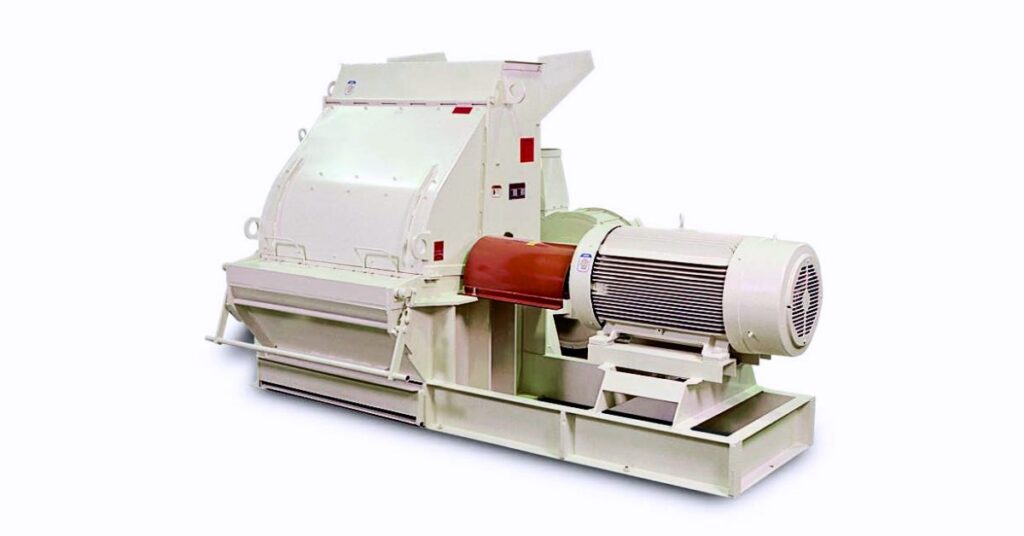
15 Серия дробилок “Liberator”
Designed for aggressive primary size reduction, в 15 Series Liberator excels at processing tough, composite materials such as post-consumer carpet.
Key advantages:
- Effective liberation of backing systems and fibers
- Fixed rotor design for consistent, high-impact processing
- Capable of handling rolled, сложенными, or slab carpet
Дробилки WA серии
The modified WA series is ideal for secondary size reduction or refinement following primary processing.
Key advantages:
- Controlled particle sizing
- Consistent output for downstream separation
- Adaptable configurations based on material and throughput goals
Посмотрите в действии!
Часто задаваемые вопросы
Carpet is made from multiple bonded materials, including fibers, adhesives, and mineral-filled backing, which must be separated for effective recycling.
Schutte Hammermill systems can process nylon, polyester, and olefin-based carpets, including broadloom carpet and carpet tile.
Да. Proper size reduction liberates calcium carbonate from polymer fibers, позволяя разделение с помощью воздушной классификации.
Полная система обычно включает оборудование для первичного и вторичного измельчения и по желанию воздушную классификацию для разделения материалов.
Да. Инженеры Schutte Hammermill разрабатывают и поставляют полные системы измельчения и разделения, адаптированные к конкретным целям переработки.
Практичное решение для переработки Ковер
Хотите более эффективно обрабатывать потребительские ковры после использования?? Наш информационный лист описывает ключевые задачи, материальные соображения, и решения по измельчению, используемые в современных системах переработки ковров.