
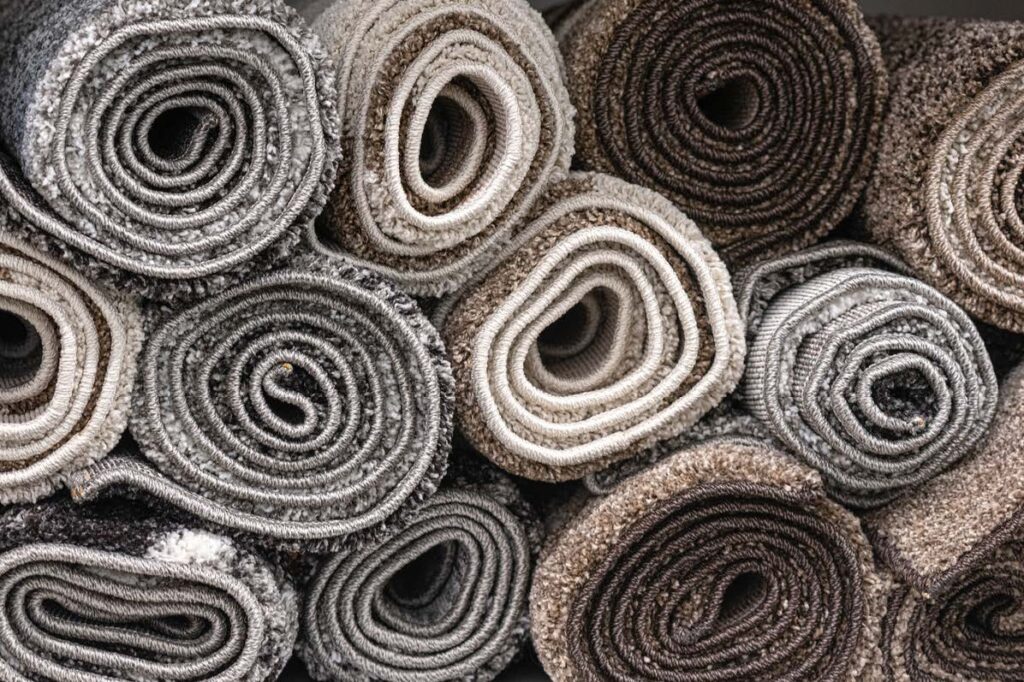
Engineered systems for processing post-consumer carpet, separating reusable materials, and supporting compliance with evolving recycling regulations.
Carpet is one of the most challenging post-consumer waste streams to recycle. Made from layered composites of fibers, adhesives, and mineral-filled backing, used carpet has historically been landfilled due to its bulk, complexity, and processing difficulty.
Hoje, that’s changing. New state-level regulations, manufacturer recycled-content requirements, and rising disposal costs are driving increased demand for effective carpet recycling solutions. At the center of these solutions is size reduction—the critical first step that enables material separation, recuperação, and reuse.
Schutte Hammermill provides proven size reduction systems engineered specifically to process used carpet and prepare it for downstream recycling and classification.
Why Carpet Recycling Is Gaining Momentum
Over the past several years, multiple U.S. states have introduced or expanded regulations aimed at reducing carpet waste and increasing recycled content in new carpet manufacturing. These initiatives are part of a broader push toward extended producer responsibility (EPR), shifting more end-of-life accountability to manufacturers and suppliers.
As principais tendências regulamentares incluem:
- Quantidade mínima de reciclado pós-consumo (PCR) requisitos de conteúdo em novos produtos de carpete
- Restrições sobre certos materiais de suporte e aditivos
- Metas de desvio aumentadas para reduzir a eliminação em aterro
Embora os requisitos variem consoante o estado, a direção é clara: o carpete deve ser reciclável em larga escala. Esta mudança está a acelerar os investimentos em tecnologias de processamento capazes de lidar com o carpete pós-consumo de forma eficiente e económica.
Leia mais: Porque é que a reciclagem de tapetes está a ganhar força nos EUA.
The Role of Size Reduction in Carpet Recycling
A redução de tamanho é o passo fundamental na reciclagem de carpete. Ao decompor rolos volumosos, ladrilhos, e placas em partículas mais pequenas, manejáveis, a redução de tamanho permite:
- Libertação de fibras de sistemas de suporte preenchidos com minerais
- Redução do volume de material para uma manipulação e transporte eficientes
- Preparação do material para tecnologias de separação subsequentes
Sem uma redução de tamanho adequada, os materiais de carpete continuam demasiado entrelaçados e inconsistentes para uma recuperação eficaz.
Leia mais: Como a redução de tamanho permite a reciclagem de tapetes e a recuperação de materiais
Removing Calcium Carbonate Backing for Material Recovery
Many carpet backing systems contain high levels of calcium carbonate filler. While essential for carpet performance, this mineral content complicates recycling by contaminating fiber streams.
Schutte Hammermill size reduction systems are engineered to:
- Break down backing systems effectively
- Release calcium carbonate from polymer fibers
- Produce material suitable for air classification and separation
This process allows recyclers to recover cleaner polymer fractions while isolating mineral-heavy fines into separate output streams.
Leia mais: Compreender a construção de tapetes: Porque é tão difícil reciclar
Vamos Conectar-nos!
Schutte Hammermill Solutions for Carpet Recycling
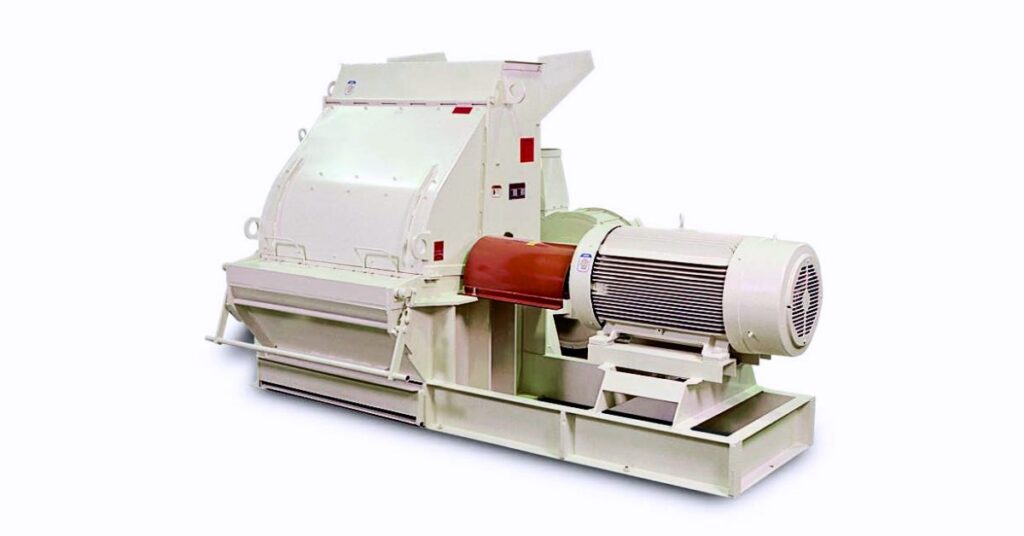
15 Series “Liberator” Hammer Mill
Designed for aggressive primary size reduction, o 15 Series Liberator excels at processing tough, composite materials such as post-consumer carpet.
Key advantages:
- Effective liberation of backing systems and fibers
- Fixed rotor design for consistent, high-impact processing
- Capable of handling rolled, dobrados, or slab carpet
Moinhos de Martelos Série WA
The modified WA series is ideal for secondary size reduction or refinement following primary processing.
Key advantages:
- Controlled particle sizing
- Consistent output for downstream separation
- Adaptable configurations based on material and throughput goals
See It In Action!
Perguntas Frequentes
Carpet is made from multiple bonded materials, including fibers, adhesives, and mineral-filled backing, which must be separated for effective recycling.
Schutte Hammermill systems can process nylon, polyester, and olefin-based carpets, including broadloom carpet and carpet tile.
Sim. Proper size reduction liberates calcium carbonate from polymer fibers, allowing separation through air classification.
A complete system typically includes primary and secondary size reduction equipment and optional air classification for material separation.
Sim. Schutte Hammermill engineers and supplies complete size reduction and separation systems tailored to specific recycling goals.
A Practical Solution for Recycling Tapete
Looking to process post-consumer carpet more efficiently? Our Application Sheet outlines the key challenges, material considerations, and size reduction solutions involved in modern carpet recycling systems.