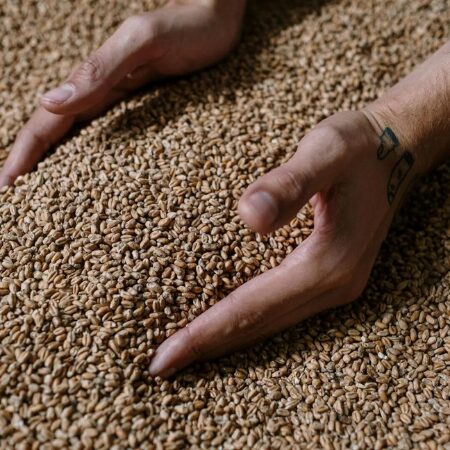
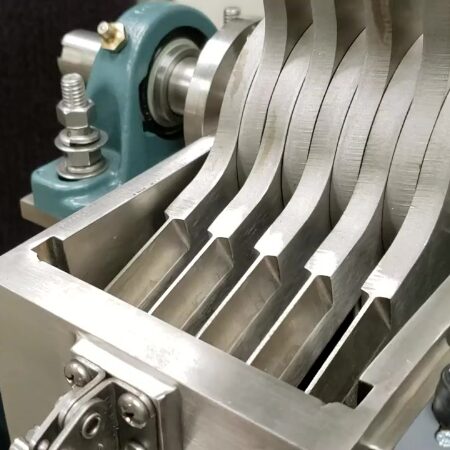
Redukcja odpadów żywnościowych: Jak młyny bijakowe poprawiają zrównoważony rozwój

Redukcja odpadów żywnościowych: Jak młyny bijakowe poprawiają zrównoważony rozwój. As industries and communities seek more sustainable waste management strategies, size reduction technology, especially hammer mills, plays a pivotal role in making food waste more manageable, reusable, and environmentally responsible.

Przekształcanie złomu drewnianego w produkty rynkowe dzięki precyzyjnemu mielenia

W dzisiejszych konkurencyjnych rynkach recyklingu i rolnictwa, przekształcanie odpadów w zysk to nie tylko przewaga—to konieczność. One of the most effective ways to repurpose wood waste, w tym złomowych palet, is by grinding it into marketable products such as animal bedding or sawdust. Niezależnie od tego, czy obsługujemy gospodarstwa rolne, producentów paliw biomasy, czy łańcuchy dostaw dla koni i zwierząt domowych,… Czytaj dalej »

Przekształcanie odpadów szklanych w zasoby: Rozwiązania Schutte Hammermill

In a world increasingly focused on sustainable practices and resource efficiency, waste glass is emerging as a valuable resource rather than a disposable problem. Each year, millions of tons of glass waste are generated across industries—from beverage containers and window panes to automotive glass and industrial glass byproducts. The challenge lies not in the availabilityCzytaj dalej »

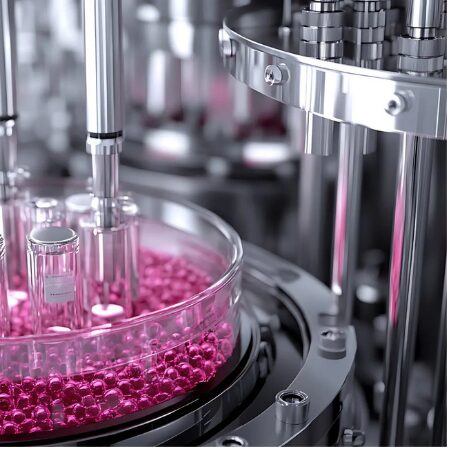
Size Reduction for Pharmaceuticals: Precision Grinding for Consistent Results

In the pharmaceutical industry, precision and consistency are non-negotiable. From the production of active pharmaceutical ingredients to the manufacturing of tablets, capsules, and other dosage forms, size reduction plays a critical role in ensuring product quality, efficacy, and compliance with stringent regulatory standards. The Importance of Size Reduction in Pharmaceuticals Pharmaceutical products demand uniform particleCzytaj dalej »