
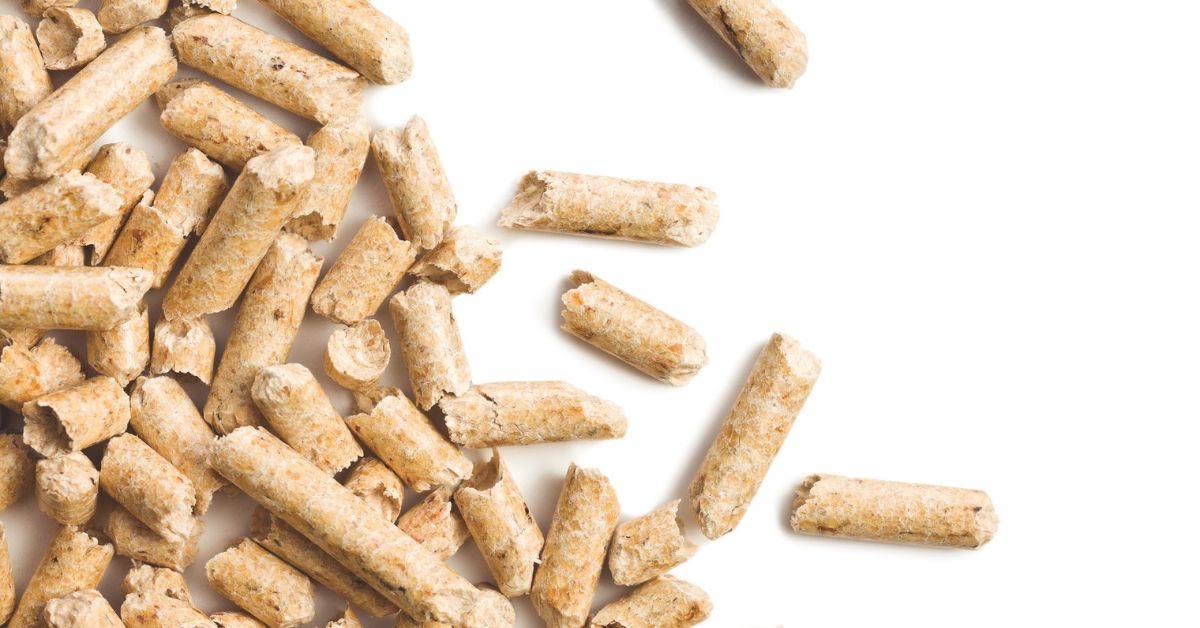
From producing livestock feed to creating biofuels, pellet mills are powerful machines that are driving efficiency like never before. By compressing materials like hay, 옥수수, or wood into dense pellets, pellet mills help reduce waste, simplify transportation, and optimize storage.
Their versatility and adaptability make them imperative pieces of equipment for farmers, feed manufacturers, and energy producers alike. How? This article will take a close, inside look at the role of pellet mills in the agricultural industry.
The Importance of Pellet Mills in Agriculture
What Are Pellet Mills?
Pellet mills, simply put, compress various materials into tightly packed, easy-to-handle pellets. These machines work by applying pressure and heat to raw materials, transforming them into uniform and dense pellets that serve a wide range of purposes.
Common feedstocks for pellet mills include biomass materials like wood; agricultural byproducts such as husks, straw, and corn stalks; and grains used for animal feed. Their ability to transform loose, bulky materials into manageable products makes pellet mills invaluable tools in modern farming.
Relevance to Modern Agriculture
Traditional agricultural practices often result in significant waste and inefficient use of natural resources. 예를 들어, leftover crop residues or organic byproducts typically go unused or are discarded, contributing to environmental issues such as excess greenhouse gas emissions.
Pellet mills offer an innovative solution by converting these waste materials into valuable pellets that can be repurposed. These pellets are not only easier to transport and store but also serve as nutrient-rich feed for livestock, 유기 비료, 또는 에너지 생산을 위한 연료.
친환경 솔루션
지속 가능한 농업으로의 세계적 전환은 생산성을 유지하면서 환경 영향을 최소화하는 것을 강조한다. 펠릿 밀은 폐기물을 자원으로 전환할 수 있게 하여 이러한 변화에 도움을 준다. 그렇지 않으면 분해되어 메탄을 방출할 농업 부산물을 친환경 바이오매스 펠릿으로 전환할 수 있다.
이렇게 만들어진 펠릿은 재생 가능 에너지원으로 사용될 수 있다, 농장 및 기타 작업에서 화석 연료를 대체할 수 있다. 자원 순환 사용을 지원함으로써, 펠릿 밀은 지속 가능성이라는 더 넓은 비전에 부합하며, 소규모 및 대규모 농업 모두가 탄소 발자국을 줄이는 데 도움을 준다.
농업에서 펠릿 밀의 활용
사료 생산
Pellet mills play a vital role in the production of high-quality animal feed, turning raw agricultural materials, such as grains, 옥수수, soybean meal, and various additives, into compact, nutrient-dense pellets. This process not only optimizes feed storage and handling but also ensures a balanced nutritional profile for livestock such as poultry, cattle, swine, and fish. By using pellet mills to compress essential nutrients into uniform pellets, farmers can ensure consistent feeding efficiency, allowing animals to consume all necessary minerals and vitamins in every serving.
예를 들어, dairy farmers often use pellet mills to create custom feed blends enriched with calcium and protein, promoting healthier livestock and, consequently, higher milk yields. 또한, this process reduces waste as animals consume more nutrient-rich feed without sifting through grain particles, 펠릿 공장을 지속 가능하고 효율적인 농업에 귀중한 도구로 만드는 것.
비료 펠렛
농업에서 펠릿 공장의 또 다른 실용적 활용은 비료 펠릿 생산. 유기물 폐기물, 가축 분뇨 포함, 작물 잔여물, 심지어 식품 가공 부산물, 화학 비료의 친환경 대체재로서 영양분이 풍부한 펠릿이 될 수 있다. 가금류 농장은 닭 분뇨를 활용할 수 있다, 자연적으로 질소가 풍부한 재료, 농장에서는 남은 짚이나 껍질을 원료로 활용할 수 있다.
펠릿화 공정은 느슨한 유기물을 작은 크기로 변환하여 이러한 재료의 사용성을 높인다, 저장이 용이한 밀도 높은 펠릿, 운송, 밭에 적용. 이 펠릿들이 토양에 천천히 영양분을 방출한다, improving crop health over time while reducing runoff and environmental pollution. This method not only supports sustainable farming practices but also addresses the growing demand for organic farming inputs.
Energy and Biofuel Production
Pellet mills are at the forefront of renewable energy production within the agricultural sector. Converting agricultural biomass, such as wood chips, corn stalks, and sugarcane bagasse, into biofuel pellets creates a sustainable energy source to replace fossil fuels.
Industries can use biofuel pellets in stoves, boilers, and industrial power plants, providing clean and efficient energy with lower carbon emissions. 예를 들어, sugarcane farms in Brazil often process bagasse into biofuel pellets, generating both heat and electricity to support their farming operations while exporting excess energy to the local grid. This dual benefit of efficient energy production and agricultural waste utilization makes pellet mills an essential part of renewable energy strategies across the globe.
Waste Management
Pellet mills are also transforming agricultural and food processing waste into valuable products. This includes converting husks, shells, or other byproducts from crop processing into bedding materials for livestock or soil enhancers. Rice husks left over from milling can be pelletized to serve as absorbent cattle bedding or mulch for gardens.
마찬가지로, food processing waste, such as fruit pulp or vegetable scraps, can be turned into recyclable pellets for composting or energy purposes. By repurposing waste into usable forms, pellet mills significantly reduce the environmental impact of agricultural operations, promoting a circular economy and minimizing landfill contributions.
Benefits for Farmers and Manufacturers
비용 절감
One of the primary advantages of utilizing pellet mills is the significant reduction in waste disposal costs. By repurposing agricultural and food processing byproducts, farmers and manufacturers can transform waste into value-added products such as animal feed, biofuels, or soil conditioners. This not only minimizes disposal expenses but also makes efficient use of resources that would otherwise go to waste.
Increased Efficiency
Pellets offer practical benefits in terms of ease of transport and storage. Their compact form takes up less space, leading to reduced transportation costs and simpler logistics. For livestock farmers, pellets streamline feeding processes by providing a uniform and easily manageable feedstock, resulting in improved operational efficiency and time savings.
Environmental Sustainability
Pelleting agricultural waste supports environmental sustainability by encouraging reuse and recycling. Converting byproducts into usable forms decreases dependency on landfills and reduces methane emissions from decomposing organic waste. 결과적으로, pellet mills empower farmers and manufacturers to contribute to a circular agricultural economy, promoting eco-friendly practices.
Profit Opportunities
Agriculturalists can market excess pellets and sell them to other farms, energy producers, or industries that rely on bio-based materials. This creates additional income streams for farmers and manufacturers, turning what was once considered waste into a profitable venture. In generating revenue from surplus pellets, agricultural enterprises can bolster their financial stability while supporting broader industry sustainability initiatives.
The result of using these incredible machines? Maximum resource utilization, minimal waste, and sustainable solutions to some of today’s biggest challenges.
If you’re ready to see for yourself where innovation meets sustainability, make pellet mills a part of your process today. Explore Schutte Hammermill’s wide range of models and sizes. We’re sure to have a mill that meets your unique needs and can take your operations to the next level!