
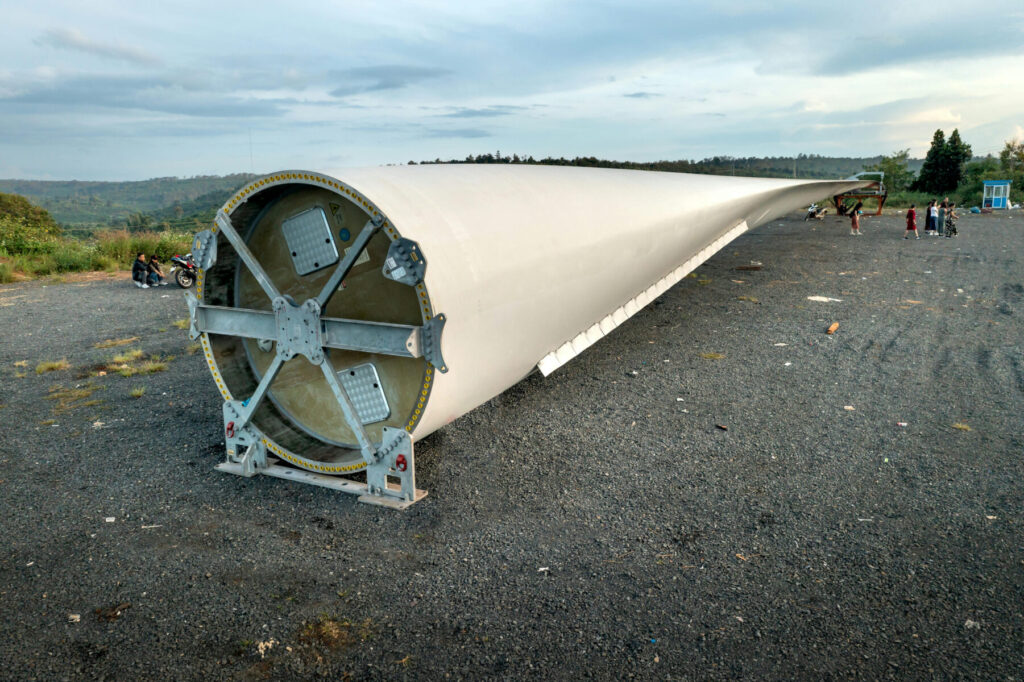
Verwandlung von Windturbinen-End-of-Life-Rotorblättern in nutzbares Material
- Die Materialherausforderung
- Warum die Größenreduzierung entscheidend ist
- Vorteile von Hammermühlen für die Verarbeitung von Verbundwerkstoffen
- Von Rotorblattabfällen zu Baumaterialien
- Wichtige Erkenntnisse — Recycling von Windturbinenblättern
- Let's Connect!
- Eine praktische Lösung für das Recycling von Windturbinenblättern
- Schutte Hammermill-Lösungen für das Rotorblatt-Recycling
- Häufig gestellte Fragen
Die Windenergieinfrastruktur wächst schnell, und mit diesem Wachstum kommt eine neue industrielle Herausforderung: die Verarbeitung von ausgedienten Turbinenblättern. Hergestellt aus hochfestem Fiberglas und Verbundmaterialien, Diese massiven Strukturen wurden auf Haltbarkeit ausgelegt, nicht auf Entsorgung.
Da Deponiebeschränkungen verschärft werden und Recyclinginitiativen zunehmen, suchen Verarbeiter nach praktischen Lösungen, um sperrige Verbundblätter in wiederverwendbare Materialströme umzuwandeln. Die mechanische Größenreduktion erweist sich als entscheidender erster Schritt in diesem Prozess.
Industrielles Hammerfräsen ermöglicht eine effiziente Zerlegung starrer Verbundstrukturen in gleichmäßige Fraktionen, die für nachgelagerte Anwendungen geeignet sind, darunter Alternativer Beton, Baufüllstoffe, und Konstruktionsmaterialien.
Die Materialherausforderung
Windturbinenblätter stellen besondere Verarbeitungsanforderungen:
- Dichte GFK-Verbundkonstruktion
- Abrasive Materialeigenschaften
- Groß, unregelmäßige Rohstoffe gehandhabt werden
- Geschichtetes Strukturdesign
Diese Eigenschaften erfordern robuste Ausrüstung, die hochauffällige Bruchenergie liefert und gleichzeitig eine kontrollierte Partikelgröße aufrechterhält.
Warum die Größenreduzierung entscheidend ist
Before composite blade material can be reused, it must be processed into a manageable, uniform form. Effective size reduction:
- Reduces volume for transport and storage
- Produces consistent particle sizing
- Improves downstream blending performance
- Enables integration into construction materials
Hammer milling transforms rigid blade sections into a predictable feedstock that supports emerging recycling and reuse pathways.
Vorteile von Hammermühlen für die Verarbeitung von Verbundwerkstoffen
Heavy-duty hammer mills are particularly suited for fiberglass composite reduction because they provide:
- High-energy impact fragmentation
- Adjustable screen control for target sizing
- Kontinuierliche Durchsatzfähigkeit
- Wear-resistant components for abrasive materials
Systems can be configured to balance throughput, Haltbarkeit, and particle uniformity, critical when processing challenging composite feedstock.
Von Rotorblattabfällen zu Baumaterialien
Once reduced, composite fractions can serve as reinforcement fibers or fillers in alternative concrete and building materials helping divert large-scale waste while supporting innovative material recovery efforts.
Mechanical size reduction bridges dismantling operations and material reuse, making blade recycling scalable and economically viable.
Wichtige Erkenntnisse — Recycling von Windturbinenblättern
- Wind turbine blades are constructed from durable fiberglass composites that require industrial-grade processing to recycle effectively
- Mechanical size reduction is the critical first step that enables downstream reuse in construction and engineered materials
- Hammer milling delivers the impact energy needed to fracture rigid composite structures into consistent, usable fractions
- Proper equipment configuration supports controlled particle sizing, throughput, and wear management
- Recycling blade material can reduce landfill burden while unlocking new material value streams
Lassen Sie uns verbinden!
Eine praktische Lösung für Recycling Windturbinenflügel
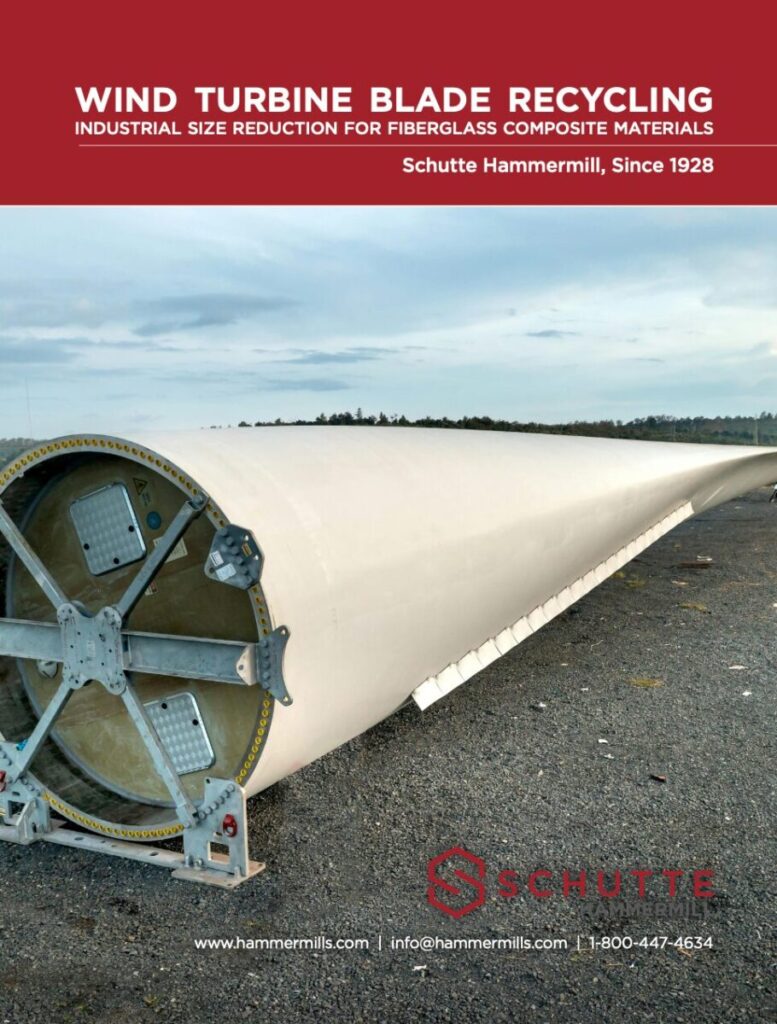
Mechanical size reduction is emerging as the foundation of scalable wind blade recycling. By transforming rigid composite structures into controlled particle fractions, processors can unlock new pathways for reuse in construction and engineered materials. Download our Wind Turbine Application Sheet to learn more
Schutte Hammermill-Lösungen für das Rotorblatt-Recycling
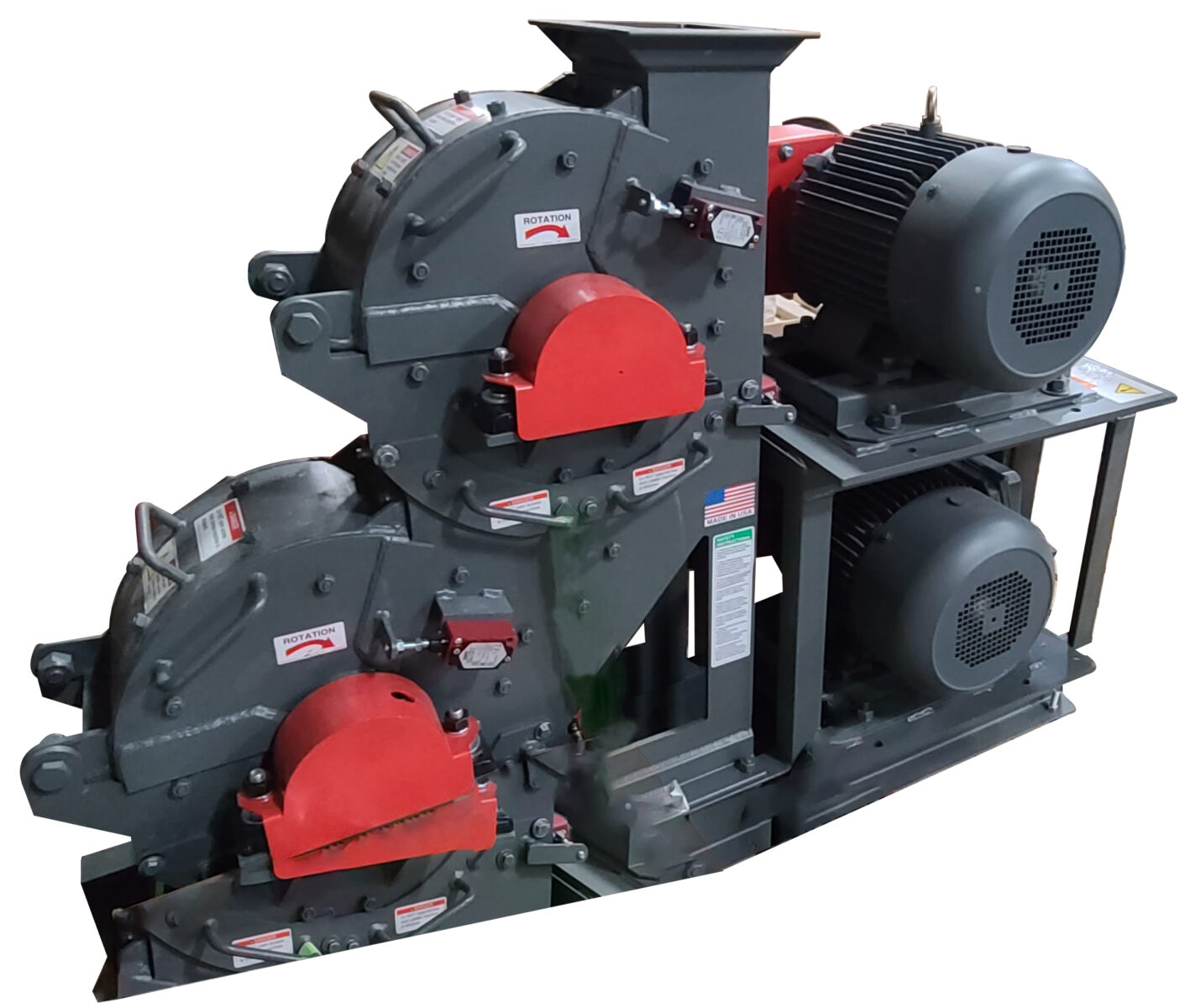
RAS Zweistufige Hammermühle: Heavy-Duty Composite Reduction
- Designed for high-impact grinding of dense, rigid composite materials
- Robust rotor assembly delivers consistent fracture of layered fiberglass structures
- Heavy-duty housing and wear components built for abrasive feedstock
- Adjustable screen configuration allows controlled particle sizing
- Dauerbetrieb-Design unterstützt industrielle Durchsatzanforderungen
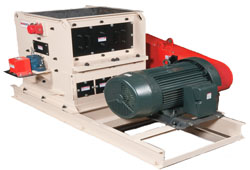
WA-Serie Hammermühlen: Vielseitiges industrielles Mahlen
- Bewährte Leistung bei der Verarbeitung von abrasiven und unregelmäßigen Materialien
- Flexible Sieboptionen für anwendungsspezifische Korngrößen
- Langlebige Konstruktion für hohe Verschleißfestigkeit
- Gleichmäßiger Materialfluss unterstützt konsistente Zuführung
- Gut geeignet für die Integration in mehrstufige Messer-Recyclingsysteme
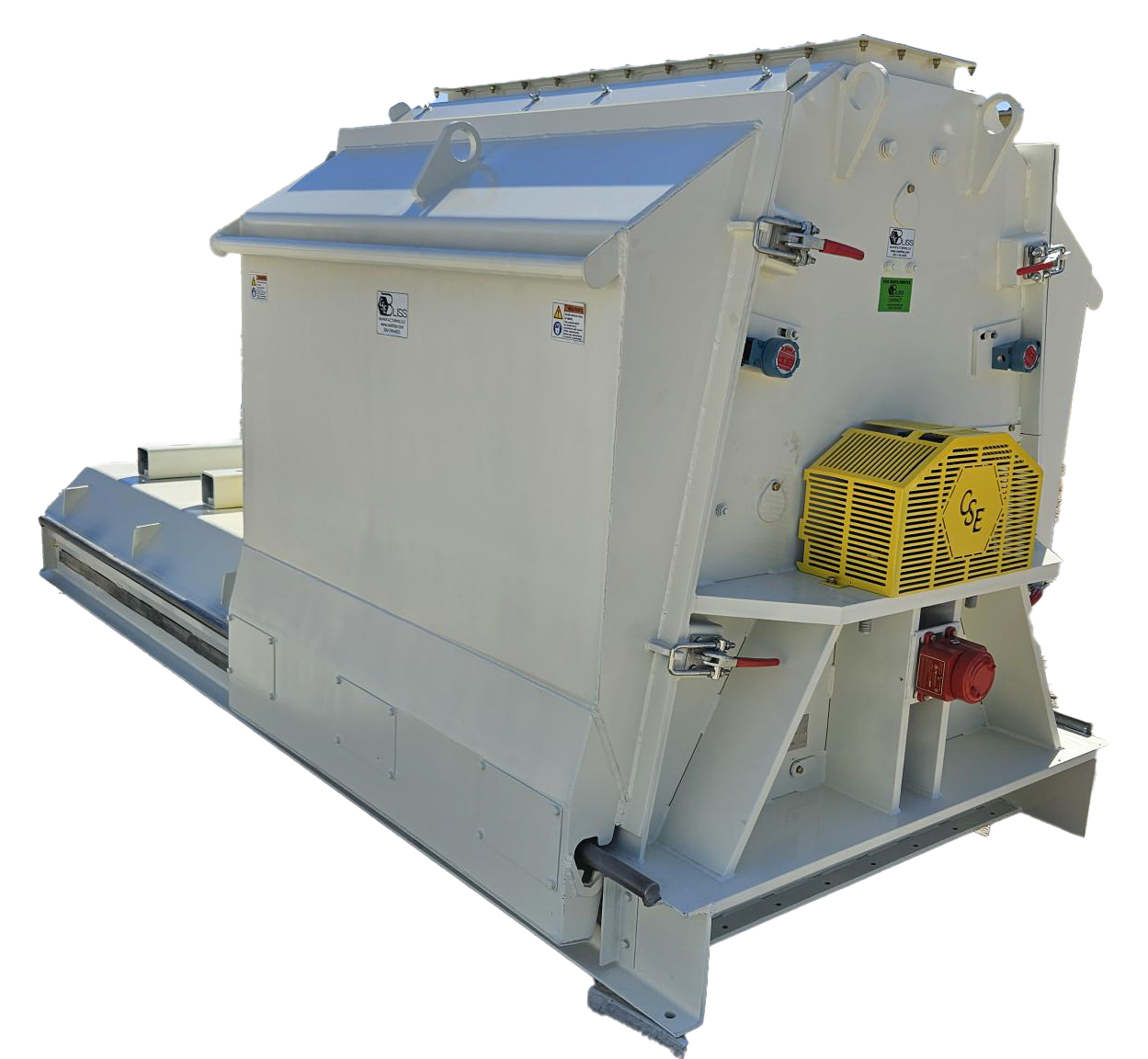
44 Serie Full Circle Hammer Mill: Kontrollierte Größenreduzierung
- Effizientes Schlagmahlen für vorgruppierte Verbundwerkstofffraktionen
- Präzise Partikelgrößenkontrolle für nachgelagerte Mischanwendungen
- Robustes Design, geeignet für die Verarbeitung von Glasfaser-Materialien
- Ideal für sekundäre Verarbeitung oder Endbearbeitung
- Unterstützt wiederholbare Ausgangskonsistenz für Baustoffwiederverwendung
Anwendungsunterstützung & Ausrüstungs-Konfiguration
Jede Verarbeitung ist einzigartig. Faktoren wie die Vorbereitung des Ausgangsmaterials, Gewünschte Partikelgröße, Durchsatzziele, und Verschleißüberlegungen beeinflussen die Auswahl der Ausrüstung und das Systemdesign.
Häufig gestellte Fragen
Ja – obwohl Turbinenblätter ursprünglich nicht für das Recycling konzipiert wurden, wachsen der regulatorische Druck und Deponiebeschränkungen treiben neue Rückgewinnungspfade voran. Mechanische Zerkleinerung ermöglicht es, Verbundwerkstoffmaterial von Rotorblättern in nutzbare Fraktionen für Bauanwendungen umzuwandeln, technisch hergestellte Füllstoffe, und alternative Materialmischungen. Die Recyclingfähigkeit hängt stark von der richtigen Vorbehandlung und der nachgelagerten Verwendung ab.
Windrotorblätter sind dichte Glasfaserverbunde, die nicht direkt in Sekundärprodukten verwendet werden können. Size reduction breaks down rigid structures into consistent particles that improve handling, blending, und Materialleistung. Ohne diesen Schritt, sind Wiederverwendungsanwendungen begrenzt und schwer skalierbar.
Der Aufbau der Flügel kombiniert Glasfaserverstärkung und Harzschichten, die für strukturelle Stärke ausgelegt sind. Dies erzeugt abrasives, unregelmäßiges Rohmaterial, das sich dem herkömmlichen Mahlen widersetzt. Die Ausrüstung muss so konstruiert sein, dass sie Abrieb standhält und gleichzeitig genügend Schlagenergie liefert, um Verbundschichten effizient zu zerkleinern.
Industrielle Hammermühlen eignen sich gut für die Verarbeitung starrer Verbundstoffe, da sie Hochenergie-Schlagkräfte ausüben, die geschichtete Materialien zerkleinern. Geeignete Konfiguration, einschließlich Rotordrehzahl, Hammerdesign, und Siebgröße, ermöglicht es Bedienern, den Durchsatz auszubalancieren, Partikelgleichmäßigkeit, und Verschleißfestigkeit bei der Verarbeitung von Glasfaserverbundwerkstoffen.
Schwerlastsysteme von Schutte Hammermill sind für anspruchsvolle Größenreduktionsanwendungen konzipiert und können für Schleifmaterial aus Verbundwerkstoffen angepasst werden.
Ja – mechanische Größenreduktionssysteme sind für den kontinuierlichen industriellen Betrieb konzipiert. Mit korrekter Systemkonfiguration, Verarbeiter können einen zuverlässigen Durchsatz erzielen und dabei eine einheitliche Partikelgröße und Verschleißmanagement gewährleisten.
Der aktivste Wiederverwendungsbereich ist die Bauindustrie, wo Verbundfraktionen als Füllstoffe oder Bewehrung in alternativen Beton- und Konstruktionsmaterialien dienen können. Forschung und industrielle Innovationen erweitern weiterhin die potenziellen Einsatzmöglichkeiten.
Jede Anwendung in der Verarbeitung von Verbundwerkstoffen ist einzigartig. Faktoren wie die Zusammensetzung der Blätter, Gewünschte Partikelgröße, Durchsatzanforderungen, und Verschleißerwartungen beeinflussen das Systemdesign. Anwendungstests und Beratung helfen sicherzustellen, dass die Geräte für eine zuverlässige Leistung richtig konfiguriert sind.
Sprechen Sie mit einem Spezialisten für Größenreduzierung
Wenn Sie das Recycling von Windrotorblättern oder die Rückgewinnung von Verbundwerkstoffen prüfen, kann unser Team Ihnen helfen, Ihre Anwendung zu bewerten und eine Verarbeitungslösung zu empfehlen.