
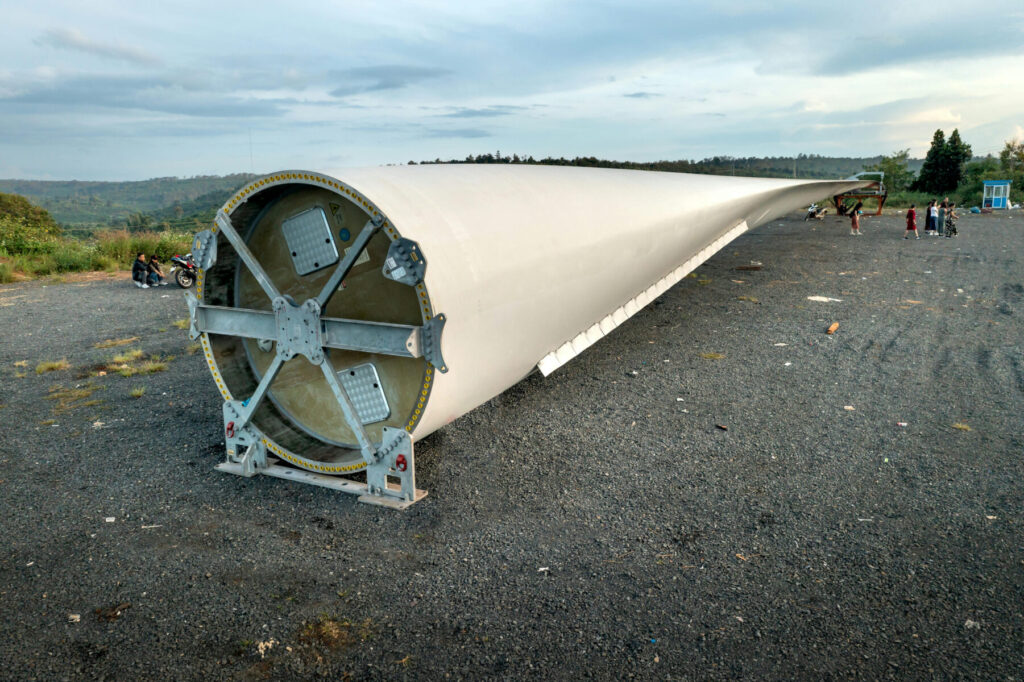
تحويل شفرات الرياح المنتهية العمر إلى مواد قابلة للاستخدام
البنية التحتية للطاقة الريحية تتوسع بسرعة, ومع هذا النمو تظهر تحديات صناعية جديدة: معالجة شفرات التوربين المنتهية العمر. مصنوعة من ألياف زجاجية عالية القوة ومواد مركبة, these massive structures were engineered for durability, not disposal.
As landfill restrictions tighten and recycling initiatives grow, processors are seeking practical solutions to convert bulky composite blades into reusable material streams. Mechanical size reduction is emerging as the critical first step in that process.
Industrial hammer milling enables efficient breakdown of rigid composite structures into consistent fractions suitable for downstream applications including alternative concrete, construction fillers, and engineered materials.
اقرأ المزيد: التحدي المتزايد لإعادة تدوير شفرات توربينات الرياح, ولماذا معالجة المواد مهمة
تحدي المواد
Wind turbine blades present unique processing demands:
- Dense fiberglass composite construction
- Abrasive material characteristics
- Large, irregular feedstock
- Layered structural design
These properties require robust equipment capable of delivering high-impact fracture energy while maintaining controlled particle sizing.
لماذا يعد تقليل الحجم أمراً ضرورياً
Before composite blade material can be reused, it must be processed into a manageable, uniform form. Effective size reduction:
- Reduces volume for transport and storage
- Produces consistent particle sizing
- Improves downstream blending performance
- Enables integration into construction materials
Hammer milling transforms rigid blade sections into a predictable feedstock that supports emerging recycling and reuse pathways.
مزايا مطحنة المطرقة لمعالجة المواد المركبة
Heavy-duty hammer mills are particularly suited for fiberglass composite reduction because they provide:
- High-energy impact fragmentation
- Adjustable screen control for target sizing
- Continuous throughput capability
- Wear-resistant components for abrasive materials
Systems can be configured to balance throughput, المتانة, and particle uniformity, critical when processing challenging composite feedstock.
من نفايات الشفرات إلى مواد البناء
بمجرد تقليل الحجم, composite fractions can serve as reinforcement fibers or fillers in alternative concrete and building materials helping divert large-scale waste while supporting innovative material recovery efforts.
Mechanical size reduction bridges dismantling operations and material reuse, making blade recycling scalable and economically viable.
اقرأ المزيد: طحن شفرات توربينات الرياح: تحضير المواد المركبة لإعادة استخدامها في البناء
أهم النقاط — إعادة تدوير شفرات توربينات الرياح
- Wind turbine blades are constructed from durable fiberglass composites that require industrial-grade processing to recycle effectively
- Mechanical size reduction is the critical first step that enables downstream reuse in construction and engineered materials
- Hammer milling delivers the impact energy needed to fracture rigid composite structures into consistent, usable fractions
- Proper equipment configuration supports controlled particle sizing, throughput, and wear management
- Recycling blade material can reduce landfill burden while unlocking new material value streams
لنتواصل!
حل عملي لإعادة التدوير شفرات توربينات الرياح
Mechanical size reduction is emerging as the foundation of scalable wind blade recycling. By transforming rigid composite structures into controlled particle fractions, processors can unlock new pathways for reuse in construction and engineered materials. Download our Wind Turbine Application Sheet to learn more
حلول شوت هامرميل لإعادة تدوير شفرات التوربين
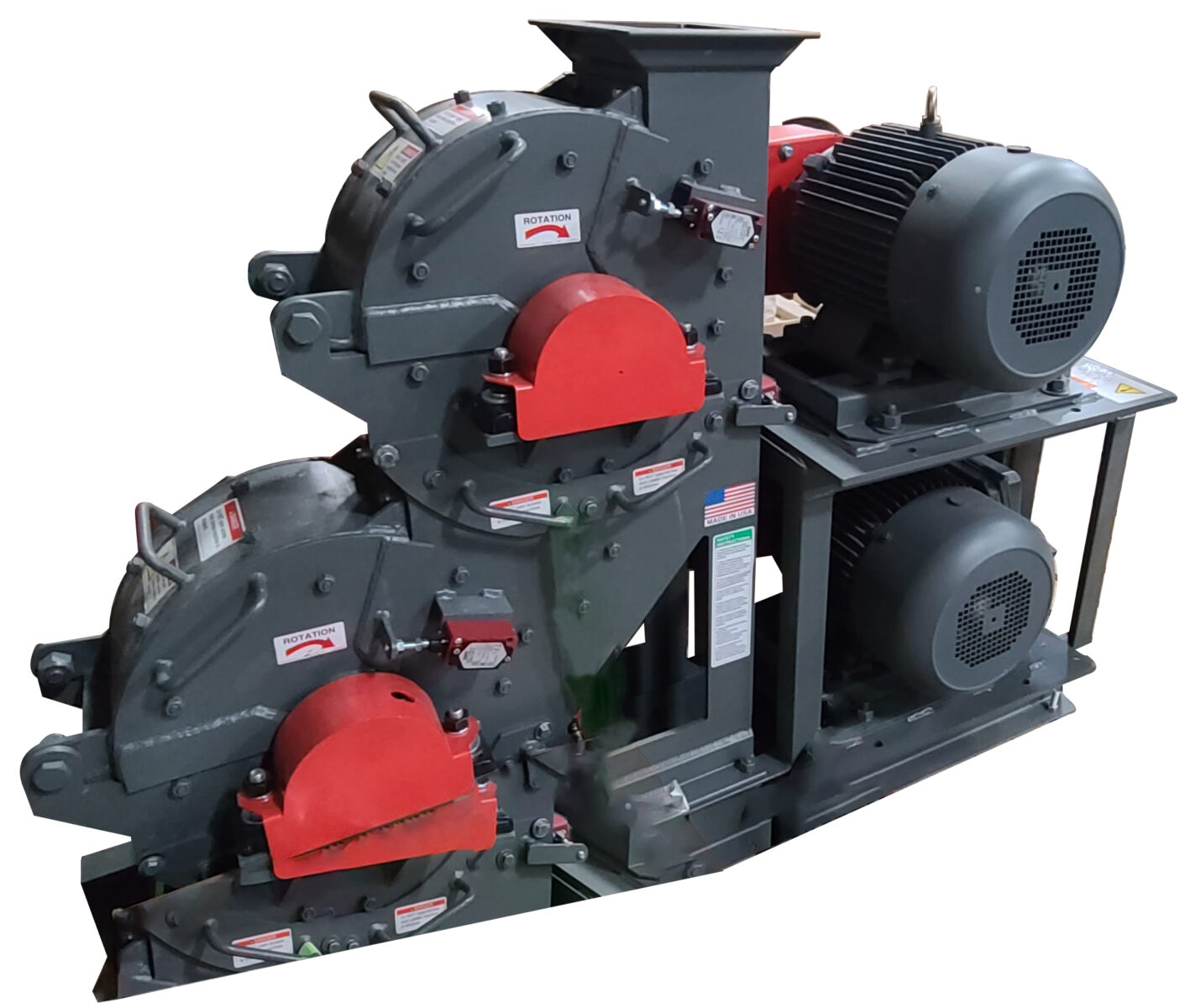
RAS مطحنة المطرقة ذات المرحلتين: Heavy-Duty Composite Reduction
- Designed for high-impact grinding of dense, rigid composite materials
- Robust rotor assembly delivers consistent fracture of layered fiberglass structures
- مكونات سكنية وعناصر مقاومة للتآكل مصممة للمواد الخام الكاشطة
- تسمح إعدادات الشاشة القابلة للتعديل بالتحكم في حجم الجسيمات
- تصميم للعمل المستمر يدعم متطلبات الإنتاج الصناعي
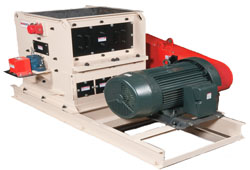
مطاحن المطرقة سلسلة WA: طحن صناعي متعدد الاستخدامات
- أداء مثبت في معالجة المواد الكاشطة وغير المنتظمة
- خيارات شاشة مرنة لتحديد حجم الإخراج حسب التطبيق
- هيكل متين مصمم لمقاومة التآكل على المدى الطويل
- تدفق المواد السلس يدعم التعامل المستمر مع التغذية
- مناسب تمامًا للاندماج في أنظمة إعادة التدوير متعددة المراحل
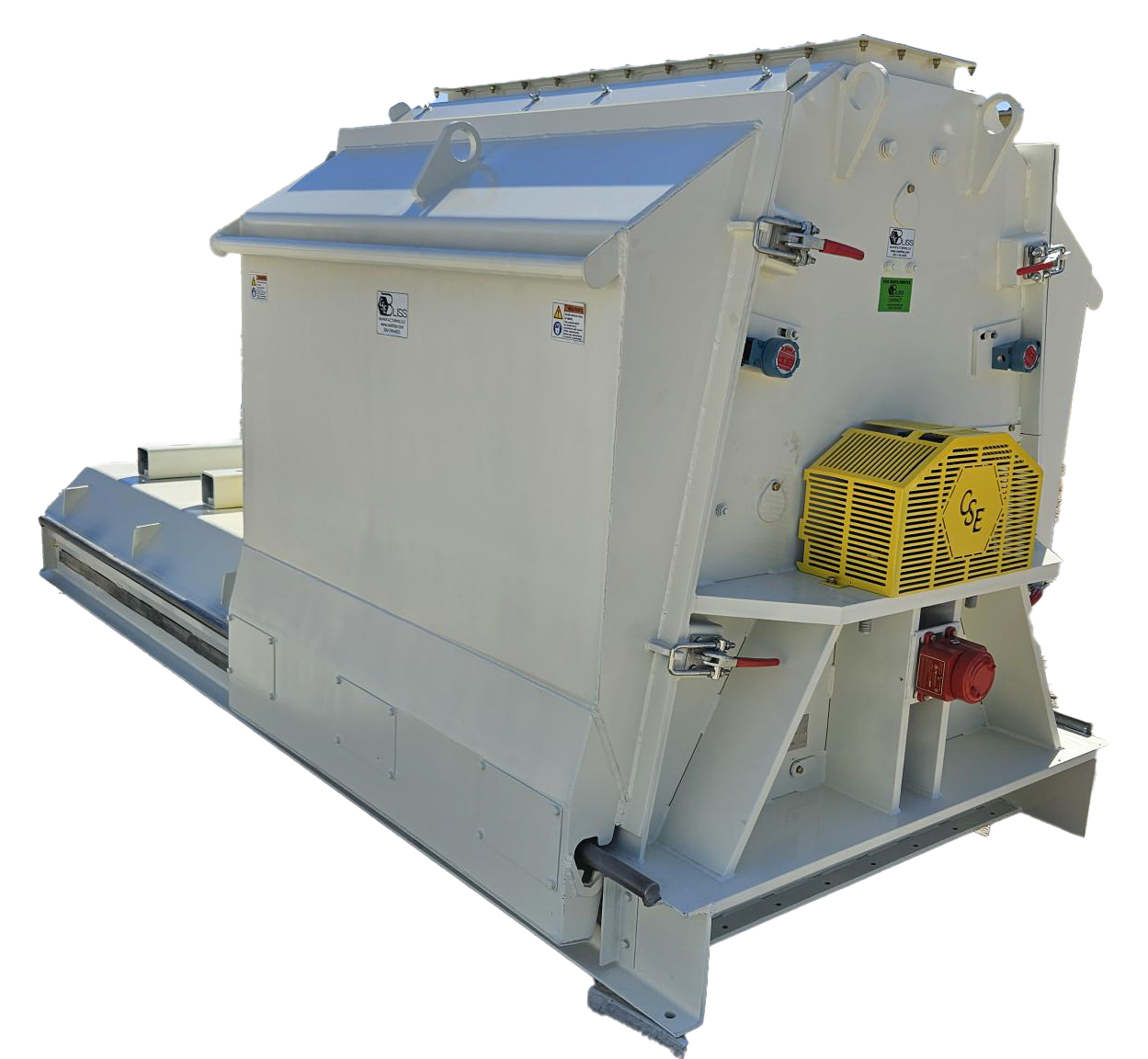
44 مطحنة المطرقة ذات الحلقة الكاملة: تقليل الحجم بشكل متحكم فيه
- طحن صدمات فعال للكسور المركبة السابقة الحجم
- تحكم دقيق في حجم الجسيمات لتطبيقات الخلط التالية
- تصميم قوي قادر على التعامل مع المواد الزجاجية
- مثالي للمعالجة الثانوية أو مراحل التشطيب
- يدعم إخراج ثابت ومتكرر لإعادة الاستخدام في البناء
دعم التطبيقات & تكوين المعدات
كل تطبيق للمعالجة فريد من نوعه. عوامل مثل تجهيز المادة الخام, حجم الجسيمات المطلوب, أهداف الإنتاج, واعتبارات التآكل تؤثر على اختيار المعدات وتصميم النظام.
الأسئلة المتكررة
نعم — رغم أن شفرات التوربينات لم تُصمم في الأصل لتكون قابلة لإعادة التدوير, لكن تزايد الضغوط التنظيمية وقيود المكبات يدفعان إلى إيجاد طرق جديدة للاسترداد. يسمح التحجيم الميكانيكي لمادة الشفرة المركبة بأن تتحول إلى أجزاء قابلة للاستخدام في تطبيقات البناء, والمملئات المصممة, وخليط المواد البديلة. تعتمد جدوى إعادة التدوير بدرجة كبيرة على التحضير المناسب مسبقًا والاستخدام اللاحق.
Wind blades are dense fiberglass composites that cannot be directly incorporated into secondary products. Size reduction breaks down rigid structures into consistent particles that improve handling, blending, and material performance. Without this step, reuse applications are limited and difficult to scale.
Blade construction combines fiberglass reinforcement and resin layers designed for structural strength. This creates abrasive, irregular feedstock that resists conventional grinding. Equipment must be engineered to withstand wear while delivering sufficient impact energy to fracture composite layers efficiently.
Industrial hammer mills are well suited for rigid composite processing because they apply high-energy impact forces that fracture layered materials. Proper configuration, including rotor speed, تصميم المطرقة, and screen sizing, allows operators to balance throughput, particle uniformity, and wear resistance when processing fiberglass composites.
Heavy-duty systems from Schutte Hammermill are designed for demanding size reduction applications and can be customized for abrasive composite feedstock.
Yes — mechanical size reduction systems are designed for continuous industrial operation. With proper system configuration, processors can achieve reliable throughput while maintaining consistent particle sizing and wear management.
The most active area of reuse is construction, where composite fractions can function as fillers or reinforcement in alternative concrete and engineered materials. تستمر البحوث والابتكار الصناعي في توسيع الاستخدامات النهائية المحتملة.
كل تطبيق لمعالجة المركبات له خصائصه الفريدة. العوامل مثل تركيب الشفرة, حجم الجسيمات المطلوب, متطلبات الإنتاجية, وتوقعات التآكل تؤثر على تصميم النظام. يساعد اختبار التطبيقات والاستشارات في ضمان إعداد المعدات بشكل صحيح لأداء موثوق.
تحدث مع أخصائي تقليل الحجم
إذا كنت تستكشف إعادة تدوير شفرات الرياح أو استرداد المواد المركبة, يمكن لفريقنا المساعدة في تقييم تطبيقك والتوصية بحل معالجة.