
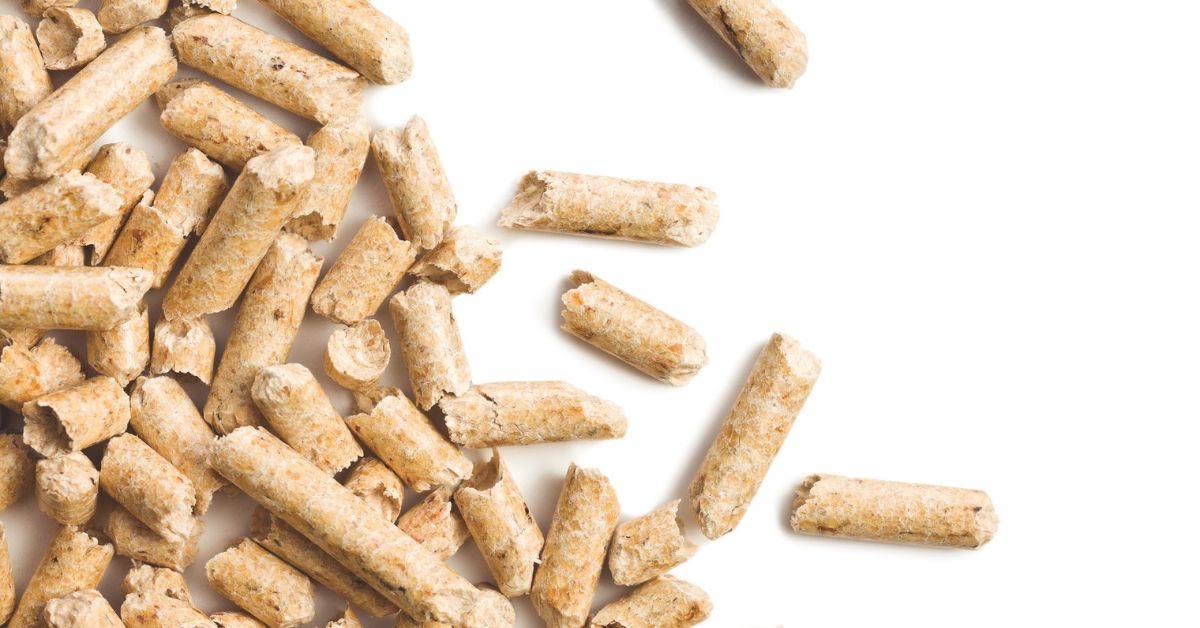
From producing livestock feed to creating biofuels, pellet mills are powerful machines that are driving efficiency like never before. By compressing materials like hay, corn, or wood into dense pellets, pellet mills help reduce waste, simplify transportation, and optimize storage.
Their versatility and adaptability make them imperative pieces of equipment for farmers, feed manufacturers, and energy producers alike. How? This article will take a close, inside look at the role of pellet mills in the agricultural industry.
The Importance of Pellet Mills in Agriculture
What Are Pellet Mills?
Pellet mills, simply put, compress various materials into tightly packed, easy-to-handle pellets. These machines work by applying pressure and heat to raw materials, transforming them into uniform and dense pellets that serve a wide range of purposes.
Common feedstocks for pellet mills include biomass materials like wood; agricultural byproducts such as husks, بھوسا, and corn stalks; and grains used for animal feed. Their ability to transform loose, bulky materials into manageable products makes pellet mills invaluable tools in modern farming.
Relevance to Modern Agriculture
Traditional agricultural practices often result in significant waste and inefficient use of natural resources. مثال کے طور, leftover crop residues or organic byproducts typically go unused or are discarded, contributing to environmental issues such as excess greenhouse gas emissions.
Pellet mills offer an innovative solution by converting these waste materials into valuable pellets that can be repurposed. These pellets are not only easier to transport and store but also serve as nutrient-rich feed for livestock, نامیاتی کھادیں, یا توانائی پیدا کرنے کے لیے ایندھن تک.
ماحول دوست حل
پائیدار زرعی طریقوں کی طرف عالمی تبدیلی ماحولیات پر اثر کو کم کرتے ہوئے پیداوار کو قائم رکھنے پر زور دیتی ہے. پیلٹ مل اس تبدیلی میں مدد کرتے ہیں کیونکہ یہ فضلے کو وسائل میں تبدیل کرنے کی سہولت فراہم کرتے ہیں. زرعی ضمنی مصنوعات جو بصورت دیگر گل سڑ کر میتھین خارج کر دیتیں، انہیں ماحول دوست بایوماس پیلٹس میں تبدیل کیا جا سکتا ہے.
یہ پیلٹس پھر قابل تجدید توانائی کے ذرائع کے طور پر استعمال کیے جا سکتے ہیں, کھیتوں اور دیگر سرگرمیوں میں فوسل ایندھن کی جگہ لینے کے لیے. گردشی وسائل کے استعمال کی حمایت کرتے ہوئے, پیلٹ مل پائیداری کے وسیع تر وژن کے ساتھ ہم آہنگ ہیں, چھوٹے اور بڑے زرعی اداروں دونوں کو اپنے کاربن اثرات کم کرنے میں مدد فراہم کرتے ہیں.
زرعی شعبے میں پیلٹ مل کے استعمالات
جانوروں کے لیے چارہ کی تیاری
Pellet mills play a vital role in the production of high-quality animal feed, turning raw agricultural materials, such as grains, corn, soybean meal, and various additives, into compact, nutrient-dense pellets. This process not only optimizes feed storage and handling but also ensures a balanced nutritional profile for livestock such as poultry, cattle, swine, and fish. By using pellet mills to compress essential nutrients into uniform pellets, farmers can ensure consistent feeding efficiency, allowing animals to consume all necessary minerals and vitamins in every serving.
مثال کے طور, dairy farmers often use pellet mills to create custom feed blends enriched with calcium and protein, promoting healthier livestock and, consequently, higher milk yields. اس کے علاوہ, this process reduces waste as animals consume more nutrient-rich feed without sifting through grain particles, پیلٹ ملز کو پائیدار اور موثر زراعت کے لئے انمول اوزار بنانا.
کھاد کے پیلٹس
زراعت میں پیلٹ ملز کا ایک اور عملی استعمال کھاد کے پیلٹس کی تیاری ہے. نامیاتی فضلہ, جس میں مویشیوں کی کھاد شامل ہے, فصلوں کا بچا ہوا حصہ, اور یہاں تک کہ خوراک کی تیاری کے ضمنی مصنوعات, پیلٹس میں تبدیل ہو سکتے ہیں جو کیمیکل کھادوں کے ماحولیاتی دوستانہ متبادل کے طور پر کام کرتے ہیں. مرغی کے فارم مرغی کی کھاد استعمال کر سکتے ہیں, جو قدرتی طور پر نائٹروجن سے بھرپور ہوتی ہے, جبکہ فصلوں کے کھیت باقی بچی ہوئی بھوسہ یا چھلکوں کو بطور فیڈ اسٹاک استعمال کر سکتے ہیں.
پیلٹ بنانے کا عمل ان مواد کے استعمال کو بڑھاتا ہے کیونکہ یہ ڈھیلے نامیاتی مادے کو چھوٹے, گھنے پیلٹس میں تبدیل کر دیتا ہے جو ذخیرہ کرنا آسان ہوتے ہیں, ٹرانسپورٹ کرنا آسان ہے, اور کھیتوں میں لگانا آسان ہوتا ہے. یہ پیلٹس آہستہ آہستہ زمین میں غذائی اجزاء خارج کرتے ہیں, وقت کے ساتھ فصل کی صحت کو بہتر بنانا جبکہ رن آف اور ماحولیاتی آلودگی کو کم کرنا. یہ طریقہ صرف پائیدار زرعی عملیاتیوں کی حمایت نہیں کرتا بلکہ نامیاتی زرعی اجزاء کی بڑھتی ہوئی طلب کو بھی پورا کرتا ہے.
توانائی اور بایوفیول کی پیداوار
پیلٹ ملیں زرعی شعبے میں قابل تجدید توانائی کی پیداوار میں سب سے آگے ہیں. زرعی بایومس کو تبدیل کرنا, جیسے لکڑی کے چپس, مکئی کے ڈنٹھل, اور گنے کے بھوسے کو, بایوفیول پیلٹس میں تبدیل کرنا ایک پائیدار توانائی کا ذریعہ تخلیق کرتا ہے جو فوسل ایندھن کی جگہ لے سکتا ہے.
صنعتیں بایوفیول پیلٹس کو چولہوں, بوائلرز, اور صنعتی پاور پلانٹس میں استعمال کر سکتی ہیں, کم کاربن اخراج کے ساتھ صاف اور مؤثر توانائی فراہم کرنا. مثال کے طور, برازیل میں گنے کے کھیت اکثر بھوسے کو بایوفیول پیلٹس میں پروسیس کرتے ہیں, generating both heat and electricity to support their farming operations while exporting excess energy to the local grid. This dual benefit of efficient energy production and agricultural waste utilization makes pellet mills an essential part of renewable energy strategies across the globe.
فضلہ مینجمنٹ
Pellet mills are also transforming agricultural and food processing waste into valuable products. This includes converting husks, shells, or other byproducts from crop processing into bedding materials for livestock or soil enhancers. Rice husks left over from milling can be pelletized to serve as absorbent cattle bedding or mulch for gardens.
اسی طرح،, food processing waste, such as fruit pulp or vegetable scraps, can be turned into recyclable pellets for composting or energy purposes. فضل کو قابل استعمال صورتوں میں تبدیل کرکے،, پیلٹ ملز زراعتی عمل کی ماحولیاتی اثرات کو نمایاں طور پر کم کرتے ہیں،, مدورانہ معیشت کو فروغ دیتے ہیں اور کچرے کے ڈمپ میں اضافے کو کم کرتے ہیں،.
کسانوں اور مینوفیکچررز کے لیے فوائد
لاگت میں بچت
پیلٹ ملز کے استعمال کے اہم فوائد میں سے ایک فضلہ کو ٹھکانے دینے کی لاگت میں نمایاں کمی ہے،. زرعی اور خوراک کی پروسیسنگ کے ضمنی مصنوعات کو دوبارہ قابل استعمال بنا کر،, کسان اور مینوفیکچررز فضلہ کو ایسے قدر شامل شدہ مصنوعات میں تبدیل کر سکتے ہیں جیسے کہ جانوروں کا چارہ،, بایوفیولز،, یا مٹی کے کنڈیشنرز،. یہ نہ صرف ٹھکانے لگانے کے اخراجات کو کم کرتا ہے بلکہ ان وسائل سے بھی مؤثر فائدہ اٹھاتا ہے جو بصورت دیگر ضائع ہو جاتے،.
زیادہ کارکردگی
پیلٹس نقل و حمل اور ذخیرہ کرنے کے حوالے سے عملی فوائد فراہم کرتے ہیں. ان کی کمپیکٹ شکل کم جگہ لیتی ہے, کم ہونے والے نقل و حمل کے اخراجات اور آسان لاجسٹکس کی طرف لے جانا. مویشیوں کے کسانوں کے لیے, پیلیٹس خوراک کے عمل کو آسان بناتے ہیں کیونکہ یہ یکساں اور آسانی سے قابلِ انتظام خوراک فراہم کرتے ہیں, نتیجتاً آپریشنل کارکردگی میں بہتری اور وقت کی بچت حاصل ہوتی ہے.
ماحولیاتی پائیداری
زرعی فضلہ کو پیلیٹ میں بدلنا ماحولیاتی پائیداری کی حمایت کرتا ہے کیونکہ یہ دوبارہ استعمال اور ری سائیکلنگ کی حوصلہ افزائی کرتا ہے. ذیلی مصنوعات کو استعمال کے قابل شکلوں میں تبدیل کرنا لینڈ فل پر انحصار کو کم کرتا ہے اور سڑتے ہوئے نامیاتی فضلے سے میتھین کے اخراج کو کم کرتا ہے. نتیجے کے طور پر, پیلیٹ ملز کسانوں اور مینوفیکچررز کو سرکولر زرعی معیشت میں حصہ ڈالنے کے قابل بناتے ہیں, ماحول دوست طریقوں کی فروغ دیتے ہیں.
منافع کے مواقع
زرعی ماہرین اضافی پیلیٹس کی مارکیٹنگ کر سکتے ہیں اور انہیں دیگر فارموں, توانائی کے پروڈیوسروں،, یا ان صنعتوں کو فروخت کر سکتے ہیں جو بائیو بیسڈ مواد پر انحصار کرتی ہیں. This creates additional income streams for farmers and manufacturers, turning what was once considered waste into a profitable venture. In generating revenue from surplus pellets, agricultural enterprises can bolster their financial stability while supporting broader industry sustainability initiatives.
The result of using these incredible machines? Maximum resource utilization, minimal waste, and sustainable solutions to some of today’s biggest challenges.
If you’re ready to see for yourself where innovation meets sustainability, make pellet mills a part of your process today. Explore Schutte Hammermill’s wide range of models and sizes. We’re sure to have a mill that meets your unique needs and can take your operations to the next level!