
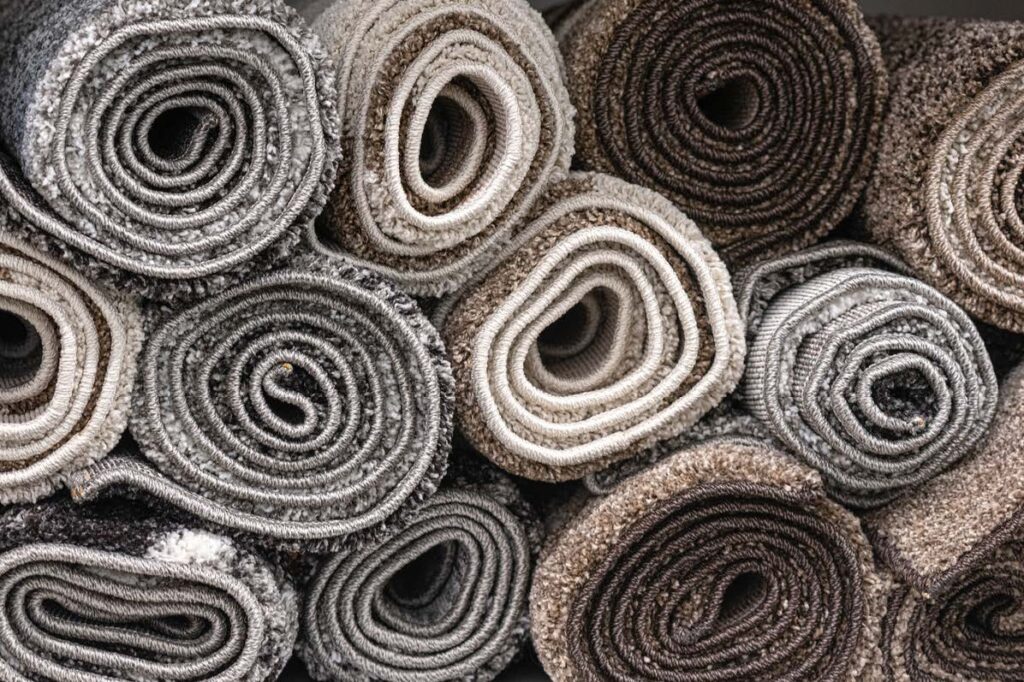
Engineered systems for processing post-consumer carpet, separating reusable materials, and supporting compliance with evolving recycling regulations.
Carpet is one of the most challenging post-consumer waste streams to recycle. Made from layered composites of fibers, adhesives, and mineral-filled backing, used carpet has historically been landfilled due to its bulk, complexity, and processing difficulty.
Astăzi, that’s changing. New state-level regulations, manufacturer recycled-content requirements, and rising disposal costs are driving increased demand for effective carpet recycling solutions. At the center of these solutions is size reduction—the critical first step that enables material separation, recovery, and reuse.
Schutte Hammermill provides proven size reduction systems engineered specifically to process used carpet and prepare it for downstream recycling and classification.
Why Carpet Recycling Is Gaining Momentum
Over the past several years, multiple U.S. states have introduced or expanded regulations aimed at reducing carpet waste and increasing recycled content in new carpet manufacturing. These initiatives are part of a broader push toward extended producer responsibility (EPR), transferarea unei responsabilități mai mari pentru sfârșitul vieții produsului către producători și furnizori.
Tendințele cheie de reglementare includ:
- Cerinte minime privind materialul reciclat post-consumator (PCR) în produsele noi de covoare
- Restricții privind anumite materiale de suport și aditivi
- Creșterea țintelor de deviere pentru a reduce depozitarea la gropile de gunoi
Deși cerințele variază de la un stat la altul, direcția este clară: covorul trebuie să fie reciclabil la scară largă. Această schimbare accelerează investițiile în tehnologii de procesare capabile să gestioneze covoarele post-consumator eficient și economic.
Citeste mai mult: De ce reciclarea covoarelor câștigă teren în SUA.
The Role of Size Reduction in Carpet Recycling
Reducerea dimensiunii este pasul fundamental în reciclarea covoarelor. Prin descompunerea rolelor voluminoase, plăcilor, și blocurilor în dimensiuni mai mici, ușor de gestionat, reducerea dimensiunii permite:
- Eliberarea fibrelor din sistemele de suport umplute cu minerale
- Reducerea volumului de material pentru manipulare și transport eficient
- Pregătirea materialului pentru tehnologiile de separare ulterioare
Fără o reducere corespunzătoare a dimensiunii, Materialele de covor rămân prea încâlcite și inconsistente pentru o recuperare eficientă.
Citeste mai mult: Cum permite reducerea dimensiunii reciclarea covoarelor și recuperarea materialelor
Removing Calcium Carbonate Backing for Material Recovery
Many carpet backing systems contain high levels of calcium carbonate filler. While essential for carpet performance, this mineral content complicates recycling by contaminating fiber streams.
Schutte Hammermill size reduction systems are engineered to:
- Break down backing systems effectively
- Release calcium carbonate from polymer fibers
- Produce material suitable for air classification and separation
This process allows recyclers to recover cleaner polymer fractions while isolating mineral-heavy fines into separate output streams.
Citeste mai mult: Înțelegerea construcției covoarelor: De ce reciclarea este atât de dificilă
Să ne conectăm!
Schutte Hammermill Solutions for Carpet Recycling
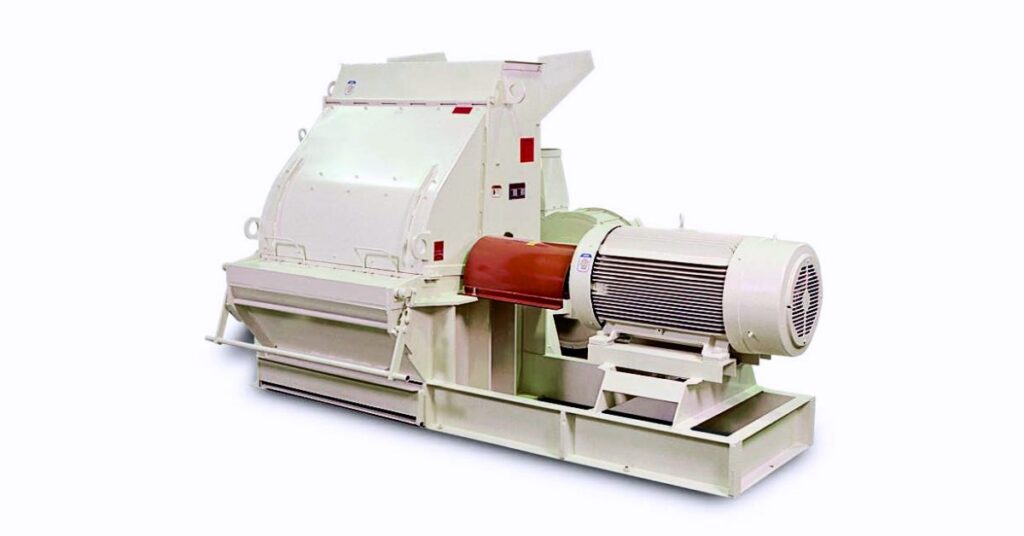
15 Series “Liberator” Hammer Mill
Designed for aggressive primary size reduction, The 15 Series Liberator excels at processing tough, composite materials such as post-consumer carpet.
Key advantages:
- Effective liberation of backing systems and fibers
- Fixed rotor design for consistent, high-impact processing
- Capable of handling rolled, pliate, or slab carpet
Morile cu ciocane seria WA
Seria WA modificată este ideală pentru reducerea secundară a dimensiunii sau rafinare după prelucrarea primară.
Key advantages:
- Controlul dimensiunii particulelor
- Rezultate constante pentru separarea ulterioară
- Configurații adaptabile în funcție de material și obiectivele de throughput
See It In Action!
Întrebări frecvente
Covorul este făcut din materiale multiple legate împreună, inclusiv fibre, adhesives, and mineral-filled backing, care trebuie separate pentru reciclare eficientă.
Sistemele Schutte Hammermill pot procesa covor din nailon, poliester, și covor pe bază de olefină, inclusiv covor rulou și plăci de covor.
da. Reducerea adecvată a dimensiunii eliberează carbonatul de calciu din fibrele de polimer,, permițând separarea prin clasificare aeriană.
Un sistem complet include de obicei echipamente primare și secundare de reducere a dimensiunii și clasificarea opțională a aerului pentru separarea materialelor.
da. Schutte Hammermill proiectează și furnizează sisteme complete de reducere a dimensiunii și separarea adaptate obiectivelor specifice de reciclare.
O soluție practică pentru reciclare Covor
Dorim procesarea mai eficientă a covoarelor post-consum? Fișa noastră de aplicații prezintă principalele provocări, considerații despre materiale, și soluții de reducere a dimensiunii implicate în sistemele moderne de reciclare a covoarelor.