
The Growing Challenge of Wind Turbine Blade Recycling, and Why Processing Matters

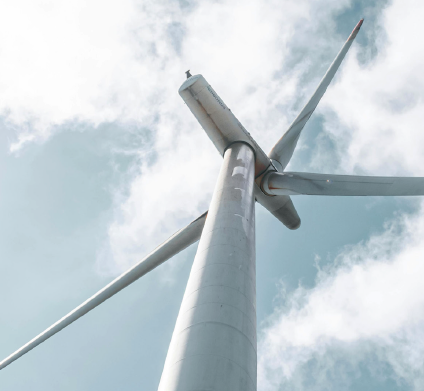
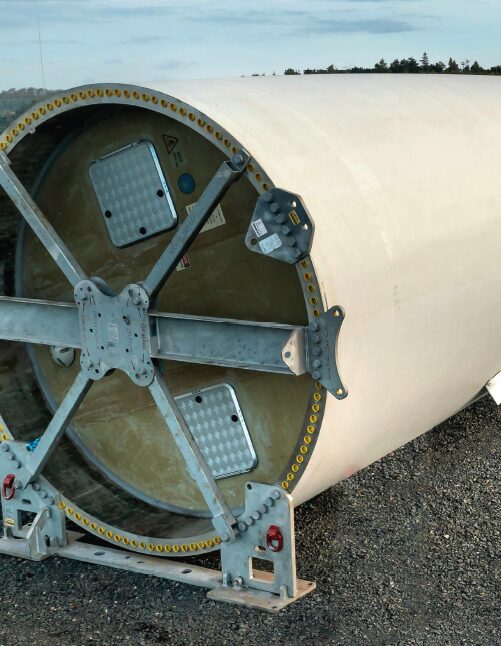
Wind energy expansion has delivered significant environmental and economic benefits over the past two decades. Yet a quieter issue is emerging behind the scenes: aging turbine blades are reaching the end of their service life, and traditional disposal methods are no longer sustainable or viable at scale. Unlike steel towers or aluminum components, turbine bladesCitește mai mult »

Grinding Wind Turbine Blades: Preparing Composite Materials for Construction Reuse

Wind turbine blades are engineered composites designed to resist fatigue, weather, and structural stress. When reduced properly, however, these materials can function as reinforcement fibers or fillers in construction products or soil additives. The key lies in achieving controlled, repeatable particle sizing while handling abrasive, irregular feedstock.

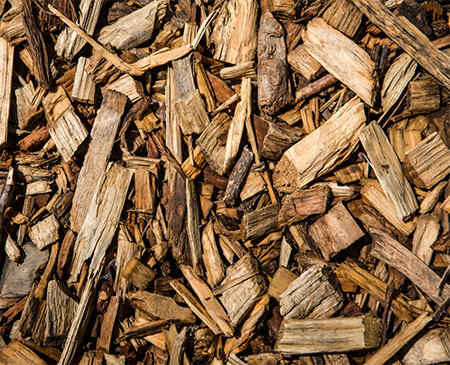
Biochar Production: The Role of Size Reduction

As biochar continues to gain traction across agriculture, energy, and environmental remediation markets, producers are under increasing pressure to improve process efficiency, product consistency, and throughput. While pyrolysis technology often takes center stage, one critical factor is frequently overlooked: reducerii dimensiunii. Properly reducing biomass feedstock size before pyrolysis plays a pivotal role in biochar quality,… Citește mai mult »

Cum permite reducerea dimensiunii reciclarea covoarelor și recuperarea materialelor

Reducerea dimensiunii este fundamentul reciclării eficiente a covoarelor. Covorul post-consum intră în facilitățile de reciclare în forme voluminoase, neregulate—rulate, pliate, sau comprimate. Fără o reducere corespunzătoare a dimensiunii, aceste materiale sunt imposibil de manevrat eficient sau de procesat în mod constant. What Size Reduction Accomplishes Properly engineered hammer mill systems allow recyclers to: Primary and Secondary Processing In many carpet recyclingCitește mai mult »