
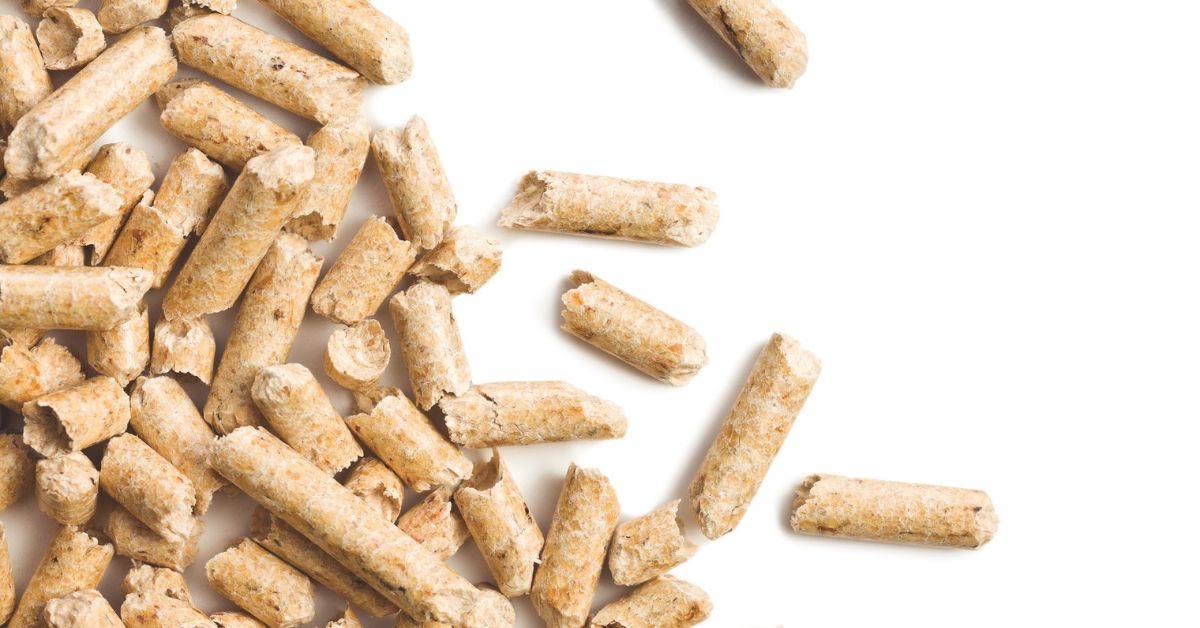
पशुधन फ़ीड के उत्पादन से लेकर जैव ईंधन बनाने तक, पेलेट मिलें शक्तिशाली मशीनें हैं जो पहले कभी नहीं की तरह दक्षता चला रही हैं. घास जैसी सामग्री को संपीड़ित करके, मकई, या घने छर्रों में लकड़ी , पेलेट मिलें कचरे को कम करने में मदद करती हैं, परिवहन को सरल बनाएं, और भंडारण का अनुकूलन करें.
उनकी बहुमुखी प्रतिभा और अनुकूलनशीलता उन्हें किसानों के लिए उपकरण के अनिवार्य टुकड़े बनाती है, फ़ीड निर्माता, और ऊर्जा उत्पादकों को समान रूप से. कैसे? यह लेख एक बंद ले जाएगा, कृषि उद्योग में गोली मिलों की भूमिका पर देखो.
कृषि में गोली मिलों का महत्व
पेलेट मिल्स क्या हैं?
पेलेट मिल्स, बस कहें, कसकर पैक में विभिन्न सामग्रियों को संपीड़ित करें, आसान-से-हैंडल छर्रों. ये मशीनें कच्चे माल पर दबाव और गर्मी लागू करके काम करती हैं, उन्हें एक समान और घने छर्रों में बदलना जो उद्देश्यों की एक विस्तृत श्रृंखला की सेवा करती हैं.
Common feedstocks for pellet mills include biomass materials like wood; agricultural byproducts such as husks, पुआल, and corn stalks; and grains used for animal feed. Their ability to transform loose, bulky materials into manageable products makes pellet mills invaluable tools in modern farming.
Relevance to Modern Agriculture
Traditional agricultural practices often result in significant waste and inefficient use of natural resources. उदाहरण के लिए, leftover crop residues or organic byproducts typically go unused or are discarded, contributing to environmental issues such as excess greenhouse gas emissions.
Pellet mills offer an innovative solution by converting these waste materials into valuable pellets that can be repurposed. These pellets are not only easier to transport and store but also serve as nutrient-rich feed for livestock, जैविक उर्वरक, या ऊर्जा उत्पादन के लिए ईंधन तक.
इको-फ्रेंडली समाधान
सतत कृषि की वैश्विक प्रवृत्ति पर्यावरणीय प्रभाव को कम करते हुए उत्पादकता बनाए रखने पर जोर देती है. पेललेट मिल इस परिवर्तन में मदद करते हैं क्योंकि यह कचरे को संसाधन में बदलने की सुविधा प्रदान करता है. कृषि उपोत्पाद जो अन्यथा सड़ कर मीथेन उत्सर्जित करते, उन्हें इको-फ्रेंडली बायोमास पेललेट में बदला जा सकता है.
इन पेललेट का उपयोग नवीकरणीय ऊर्जा स्रोत के रूप में किया जा सकता है, कृषि और अन्य कार्यों में जीवाश्म ईंधन की जगह लेने के लिए. संसाधनों के चक्रीय उपयोग को समर्थन देकर, पेललेट मिल व्यापक सततता के दृष्टिकोण के अनुकूल हैं, छोटे और बड़े पैमाने की कृषि प्रथाओं को उनके कार्बन फुटप्रिंट घटाने में मदद करना.
कृषि में पेललेट मिल के अनुप्रयोग
पशु आहार उत्पादन
Pellet mills play a vital role in the production of high-quality animal feed, turning raw agricultural materials, such as grains, मकई, soybean meal, and various additives, into compact, nutrient-dense pellets. This process not only optimizes feed storage and handling but also ensures a balanced nutritional profile for livestock such as poultry, cattle, swine, and fish. By using pellet mills to compress essential nutrients into uniform pellets, farmers can ensure consistent feeding efficiency, allowing animals to consume all necessary minerals and vitamins in every serving.
उदाहरण के लिए, dairy farmers often use pellet mills to create custom feed blends enriched with calcium and protein, promoting healthier livestock and, consequently, higher milk yields. इसके साथ ही, this process reduces waste as animals consume more nutrient-rich feed without sifting through grain particles, टिकाऊ और कुशल खेती के लिए पेलेट मिलों को अमूल्य उपकरण बनाना.
उर्वरक छर्रों
कृषि में पेलेट मिलों का एक और व्यावहारिक अनुप्रयोग उर्वरक छर्रों का उत्पादन है. जैविक अपशिष्ट, पशुधन खाद सहित, फसल अवशेष, और यहां तक कि खाद्य प्रसंस्करण उपोत्पाद, पोषक तत्वों से भरपूर छर्रों बन सकते हैं जो रासायनिक उर्वरकों के लिए पर्यावरण के अनुकूल विकल्प के रूप में काम करते हैं. पोल्ट्री फार्म चिकन खाद का उपयोग कर सकते हैं, जो स्वाभाविक रूप से नाइट्रोजन में उच्च है, जबकि फसल खेत फीडस्टॉक के रूप में बचे हुए पुआल या भूसी का उपयोग कर सकते हैं.
पेलेटिंग प्रक्रिया ढीले कार्बनिक पदार्थों को छोटे में परिवर्तित करके इन सामग्रियों की उपयोगिता को बढ़ाती है, घने छर्रों को स्टोर करना आसान है, परिवहन, और खेतों पर लागू होते हैं. ये छर्रे धीरे-धीरे मिट्टी में पोषक तत्वों को छोड़ते हैं, समय के साथ फसल के स्वास्थ्य में सुधार करना जबकि अपवाह और पर्यावरणीय प्रदूषण को कम करना. यह तरीका न केवल सतत कृषि प्रथाओं का समर्थन करता है बल्कि जैविक कृषि इनपुट की बढ़ती मांग को भी संबोधित करता है.
ऊर्जा और बायोफ्यूल उत्पादन
पैलेट मिल कृषि क्षेत्र में नवीकरणीय ऊर्जा उत्पादन में सबसे आगे हैं. कृषि बायोमास को बदलना, जैसे लकड़ी के चिप्स, मक्के के डंठल, और गन्ने का बागास, बायोफ्यूल पैलेट में बदलना जीवाश्म ईंधन के स्थान पर एक स्थायी ऊर्जा स्रोत बनाता है.
उद्योग बायोफ्यूल पैलेट का उपयोग भट्ठियों, बॉयलरों, और औद्योगिक पावर प्लांट्स में कर सकते हैं, साफ और कुशल ऊर्जा प्रदान करते हुए कम कार्बन उत्सर्जन के साथ. उदाहरण के लिए, ब्राजील में गन्ने की फसलें अक्सर बागास को बायोफ्यूल पैलेट में प्रोसेस करती हैं, अपने कृषि कार्यों का समर्थन करने के लिए हीट और बिजली दोनों का उत्पादन करना जबकि अतिरिक्त ऊर्जा को स्थानीय ग्रिड में निर्यात करना. कुशल ऊर्जा उत्पादन और कृषि अपशिष्ट उपयोग का यह दोहरा लाभ पेलेट मिलों को दुनिया भर में नवीकरणीय ऊर्जा रणनीतियों का एक आवश्यक हिस्सा बनाता है.
कचरा प्रबंधन
पैलेट मिल कृषि और खाद्य प्रसंस्करण अपशिष्ट को मूल्यवान उत्पादों में भी बदल रहे हैं. इसमें फसल प्रसंस्करण से भूसी, छिलके, या अन्य उपउत्पादों को पशुओं के लिए बिछाने की सामग्री या मिट्टी संवर्धक में बदलना शामिल है. चावल की भूसी जो मिलिंग के बाद बचती है, उसे पालतू जानवरों के लिए अवशोषक बिछाने या बगीचों के लिए मल्च के रूप में उपयोग करने के लिए पेलेट बनाया जा सकता है.
इसी तरह, खाद्य प्रसंस्करण अपशिष्ट, जैसे फल का गूदा या सब्जियों के टुकड़े, को कंपोस्टिंग या ऊर्जा उद्देश्यों के लिए पुन:प्रक्रियायोग्य पेलेट में बदला जा सकता है. कचरे को उपयोगी रूपों में पुन: प्रयुक्त करके, पेललेट मिल कृषि कार्यों के पर्यावरणीय प्रभाव को काफी हद तक कम कर देते हैं, एक सर्कुलर इकोनॉमी को बढ़ावा देना और लैंडफिल में योगदान को न्यूनतम करना.
किसानों और निर्माताओं के लिए लाभ
लागत बचत
पेललेट मिलों का उपयोग करने का प्रमुख लाभ यह है कि इससे कचरे के निपटान की लागत में काफी कमी आती है. कृषि और खाद्य प्रसंस्करण के उपोत्पादों को पुन: प्रयुक्त करके, किसान और निर्माता कचरे को मूल्य वर्धित उत्पादों में बदल सकते हैं जैसे कि पशु चारा, बायोफ्यूल, या मिट्टी सुधारक. इससे न केवल निपटान खर्च कम होता है बल्कि उन संसाधनों का कुशल उपयोग भी होता है जो अन्यथा बर्बाद हो जाते.
बढ़ी हुई दक्षता
पेललेट परिवहन और भंडारण की सुविधा के मामले में व्यावहारिक लाभ प्रदान करते हैं. इनका कॉम्पैक्ट आकार कम जगह लेता है, परिवहन लागत को कम करने और सरल रसद के लिए अग्रणी. पशुधन किसानों के लिए, छर्रों एक समान और आसानी से प्रबंधनीय फीडस्टॉक प्रदान करके खिला प्रक्रियाओं को सुव्यवस्थित करते हैं, जिसके परिणामस्वरूप परिचालन दक्षता और समय की बचत में सुधार होता है.
पर्यावरणीय स्थिरता
पेलेटिंग कृषि अपशिष्ट पुन: उपयोग और पुनर्चक्रण को प्रोत्साहित करके पर्यावरणीय स्थिरता का समर्थन करता है. उपोत्पादों को प्रयोग करने योग्य रूपों में परिवर्तित करने से लैंडफिल पर निर्भरता कम हो जाती है और मीथेन उत्सर्जन कम हो जाता है जैविक कचरे को विघटित करना. एक परिणाम के रूप में, पेलेट मिलें किसानों और निर्माताओं को एक परिपत्र कृषि अर्थव्यवस्था में योगदान करने के लिए सशक्त बनाती हैं, पर्यावरण के अनुकूल प्रथाओं को बढ़ावा देना.
लाभ के अवसर
कृषिविद अतिरिक्त छर्रों का विपणन कर सकते हैं और उन्हें अन्य खेतों में बेच सकते हैं, ऊर्जा उत्पादक, या उद्योग जो जैव-आधारित सामग्री पर भरोसा करते हैं. This creates additional income streams for farmers and manufacturers, turning what was once considered waste into a profitable venture. In generating revenue from surplus pellets, agricultural enterprises can bolster their financial stability while supporting broader industry sustainability initiatives.
The result of using these incredible machines? Maximum resource utilization, minimal waste, and sustainable solutions to some of today’s biggest challenges.
If you’re ready to see for yourself where innovation meets sustainability, make pellet mills a part of your process today. Explore Schutte Hammermill’s wide range of models and sizes. We’re sure to have a mill that meets your unique needs and can take your operations to the next level!