
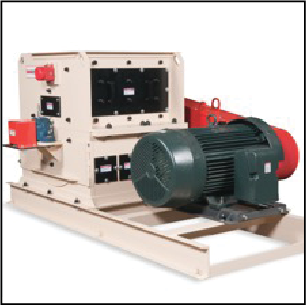
ग्लास रीसाइक्लिंग ने हाल के वर्षों में महत्वपूर्ण ध्यान आकर्षित किया है, और अच्छे कारण के लिए. पर्यावरणीय मुद्दों के बारे में बढ़ती जागरूकता और अपशिष्ट और ऊर्जा की खपत को कम करने की आवश्यकता के साथ, ग्लास रीसाइक्लिंग स्थिरता का एक महत्वपूर्ण पहलू बन गया है. ग्लास रीसाइक्लिंग का एक प्रमुख पहलू जिस पर अक्सर ध्यान नहीं दिया जाता है लेकिन सबसे महत्वपूर्ण है आकार में कमी. आइए जानें कि ग्लास रीसाइक्लिंग में आकार में कमी क्यों महत्वपूर्ण है और इस कार्य को कुशलता से प्राप्त करने के लिए हथौड़ा मिलें सबसे अच्छा विकल्प क्यों हैं.
ग्लास रीसाइक्लिंग का महत्व
ग्लास रीसाइक्लिंग के कई पर्यावरणीय लाभ हैं, इसे स्थिरता पहेली का एक महत्वपूर्ण पहलू बनाते हैं. इन लाभों में शामिल हैं:
- प्राकृतिक संसाधनों का संरक्षण: ग्लास रेत जैसे कच्चे माल से बना है, सोडा ऐश, और चूना पत्थर. ग्लास को रीसाइक्लिंग करके, हम इन सीमित संसाधनों को निकालने और संसाधित करने की आवश्यकता को कम करते हैं, इन्हें आने वाली पीढ़ियों के लिए संरक्षित करते हैं.
- ऊर्जा की बचत: कच्चे माल से काँच का निर्माण करने में काफी मात्रा में ऊर्जा की आवश्यकता होती है. काँच को पुनर्नवीनीकरण करने में कम ऊर्जा लगती है, ग्रीनहाउस गैस उत्सर्जन को कम करना और कार्बन फुटप्रिंट घटाना.
- घटाया गया लैंडफ़िल अपशिष्ट: काँच का अपशिष्ट लैंडफ़िल में मूल्यवान स्थान घेरता है और यह सड़ने में हजारों साल लग सकते हैं. ग्लास को रीसाइक्लिंग करके, हम लैंडफ़िल पर बोझ को कम करते हैं और अधिक सतत अपशिष्ट प्रबंधन प्रणाली को बढ़ावा देते हैं.
काँच के पुनर्चक्रण में आकार में कमी
काँच के पुनर्चक्रण की प्रक्रिया काँच के कंटेनरों और उत्पादों को इकट्ठा करने और अलग करने से शुरू होती है. हालांकि, इकट्ठा किए गए काँच अक्सर नए उत्पादों में कुशलतापूर्वक संसाधित करने के लिए बहुत बड़े और असमान आकार के होते हैं. आकार में कमी कई कारणों से आवश्यक है:
- पिघलाने की दक्षता: बड़े काँच के टुकड़े पिघलने में अधिक समय लेते हैं और उच्च तापमान की आवश्यकता होती है. आकार कम करने से काँच जल्दी पिघलता है, निर्माण प्रक्रिया में ऊर्जा की खपत को कम करना.
- सुधरी हुई गुणवत्ता: छोटे काँच के कणों से अधिक सुसंगत और उच्च-गुणवत्ता वाला अंतिम उत्पाद मिलता है. यह नए कन्टेनर या फाइबरग्लास उत्पादन में उपयोग किए जाने वाले काँच के लिए विशेष रूप से महत्वपूर्ण है.
- परिवहन और हैंडलिंग: छोटे काँच के कणों को परिवहन और हैंडल करना आसान होता है, संबंधित लागतों और पर्यावरणीय प्रभावों को कम करना.
- सुरक्षा: टूटा हुआ काँच तेज हो सकता है और कर्मचारियों के लिए सुरक्षा जोखिम पैदा कर सकता है. काँच के टुकड़ों का आकार कम करना हैंडलिंग और प्रक्रिया को सुरक्षित बनाता है.
हैमर मिल्स सबसे अच्छा विकल्प क्यों हैं
काँच रीसाइक्लिंग के लिए उपलब्ध विभिन्न आकार कम करने वाली तकनीकों में से, हैमर मिल कई कारणों से सर्वोत्तम विकल्प के रूप में उभरते हैं:
- विविधता: Hammer mills can process a wide range of materials, including glass, making them versatile tools for recycling facilities.
- उच्च दक्षता: Hammer mills are known for their high efficiency in reducing glass size. They can quickly and consistently reduce glass to the desired particle size, whether for recycling or other applications.
- Minimal Contamination: Hammer mills generate minimal contamination and dust, ensuring the quality of the recycled glass.
- Durability: Hammer mills are robust and require minimal maintenance, making them a cost-effective solution for recycling facilities.
Energy Efficiency: Hammer mills consume less energy compared to other size reduction methods, contributing to the overall energy savings in the glass recycling process.
Size reduction is a fundamental step in the glass recycling process, contributing to improved efficiency, उत्पाद की गुणवत्ता, और स्थिरता. उपलब्ध आकार घटाने वाली प्रौद्योगिकियों में, हाथौड़ा मिल अपनी विविधता, उच्च दक्षता, न्यूनतम संदूषण, टिकाऊपन,, और ऊर्जा दक्षता के कारण सबसे अच्छा विकल्प साबित हुआ है.
जैसे-जैसे दुनिया स्थिरता और पर्यावरणीय जिम्मेदारी को प्राथमिकता देती जा रही है, कांच की पुनर्चक्रण की महत्वता और इस प्रक्रिया में हाथौड़ा मिल की भूमिका को अधिक महत्व से नहीं बताया जा सकता. हाथौड़ा मिल के माध्यम से कुशल आकार घटाव को बढ़ावा देकर, हम कांच की पुनर्चक्रण के लाभों को अधिकतम कर सकते हैं, संसाधनों की बचत और ऊर्जा खपत को कम करने से लेकर कचरा प्रबंधन कम करने और अधिक हरित, और अधिक स्थायी भविष्य को बढ़ावा देने तक.