पवन टरबाइन ब्लेड रीसायक्लिंग की बढ़ती चुनौती, और क्यों प्रोसेसिंग महत्वपूर्ण है

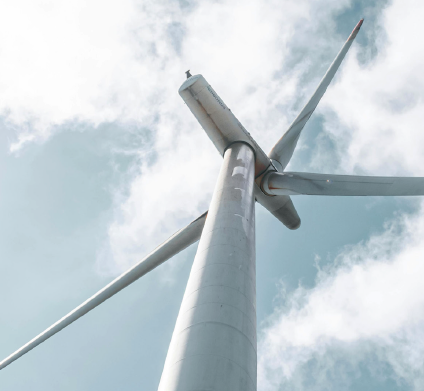
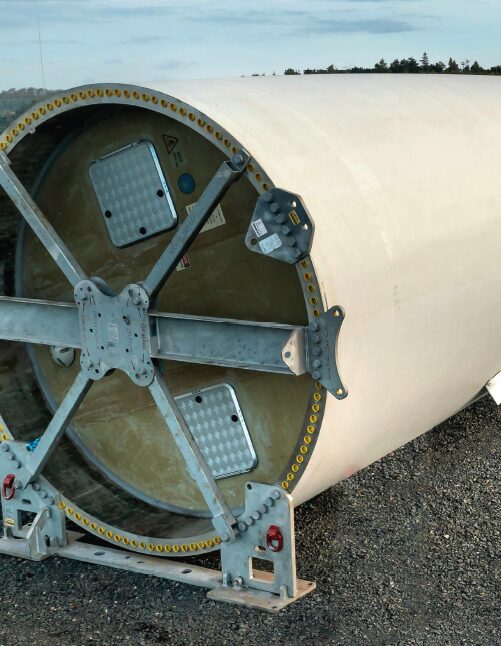
Wind energy expansion has delivered significant environmental and economic benefits over the past two decades. Yet a quieter issue is emerging behind the scenes: aging turbine blades are reaching the end of their service life, and traditional disposal methods are no longer sustainable or viable at scale. Unlike steel towers or aluminum components, turbine bladesऔर अधिक पढ़ें »

पवन टरबाइन ब्लेड को पीसना: निर्माण पुन: उपयोग के लिए कंपोजिट सामग्री तैयार करना

Wind turbine blades are engineered composites designed to resist fatigue, weather, and structural stress. When reduced properly, however, these materials can function as reinforcement fibers or fillers in construction products or soil additives. The key lies in achieving controlled, repeatable particle sizing while handling abrasive, irregular feedstock.

बायोचार उत्पादन: आकार घटाने की भूमिका

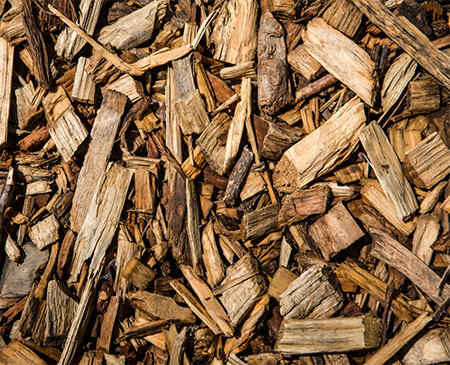
As biochar continues to gain traction across agriculture, energy, and environmental remediation markets, producers are under increasing pressure to improve process efficiency, product consistency, और थ्रूपुट के लिए. While pyrolysis technology often takes center stage, one critical factor is frequently overlooked: आकार में कमी. Properly reducing biomass feedstock size before pyrolysis plays a pivotal role in biochar quality,… और अधिक पढ़ें »

कैसे आकार कम करना कार्पेट रीसाइक्लिंग और सामग्री पुनर्प्राप्ति को सक्षम बनाता है

Size reduction is the foundation of effective carpet recycling. Post-consumer carpet enters recycling facilities in bulky, irregular forms—rolled, मुड़ा हुआ, or compacted. Without proper size reduction, these materials are impossible to handle efficiently or process consistently. What Size Reduction Accomplishes Properly engineered hammer mill systems allow recyclers to: Primary and Secondary Processing In many carpet recyclingऔर अधिक पढ़ें »