
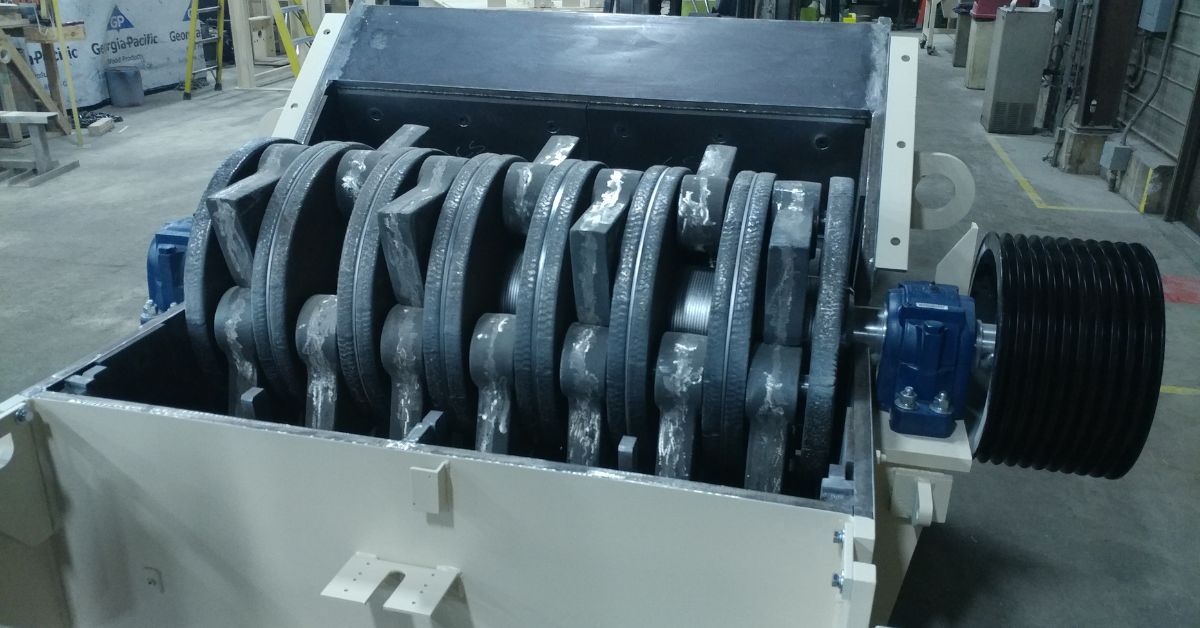
Los trituradores industriales son maravillas de la ingeniería, diseñados para manejar algunos de los materiales más resistentes del planeta. Desde concreto y asfalto hasta rocas y metales, estas poderosas máquinas reducen objetos masivos a tamaños manejables.
Pero tan impresionantes como son, es natural preguntarse si hay límites a lo que pueden hacer. Ya sea que tengas curiosidad sobre sus capacidades o dirijas un negocio y busques abordar lo que parece imposible, este artículo responderá la pregunta: ¿Hay algo que un triturador industrial no pueda triturar??
Tipos de materiales que los trituradores industriales pueden manejar
Materiales de construcción
Los trituradores industriales son excepcionalmente adecuados para la demolición y el reciclaje de materiales de construcción. Estas máquinas pueden triturar fácilmente el concreto, ladrillos, asfalto, y otros materiales de construcción de uso común en fragmentos más pequeños, reutilizables.
Esta capacidad es invaluable para proyectos de construcción y demolición, ya que permite a los contratistas reutilizar materiales de desecho, reduciendo la necesidad de nuevos recursos y minimizando el impacto ambiental. Además, triturar materiales de construcción ayuda a agilizar las operaciones de limpieza, haciendo de estas máquinas una herramienta esencial en la industria de la construcción.
Materiales Naturales
Desde piedras pesadas hasta minerales delicados, las trituradoras industriales pueden manejar materiales naturales con precisión. Rocas, grava, caliza, y granito son algunos de los materiales naturales más comunes procesados por estas máquinas.
Cuando estos materiales se reducen a tamaños más pequeños, pueden ser utilizados en aplicaciones que van desde la construcción de carreteras hasta el paisajismo. Los trituradores incluso pueden manejar metales extraídos de mineral natural, desempeñando un papel crítico en las industrias mineras y de procesamiento al preparar materiales para una refinación posterior.
Residuos Industriales
El énfasis moderno en la reducción de residuos y el reciclaje ha hecho que los trituradores industriales sean vitales para manejar diversas formas de residuos industriales. Pueden triturar elementos como chatarra metálica, los desechos electrónicos, componentes de plástico, y materiales de embalaje sobrantes en piezas manejables para su reciclaje o eliminación.
Debido a que reducen significativamente el volumen de residuos industriales, los trituradores no solo ayudan a las empresas a ahorrar en costos de transporte y almacenamiento, sino que también contribuyen a los esfuerzos de sostenibilidad ambiental mediante la recuperación de recursos reutilizables.
Materiales Orgánicos
Los trituradores industriales no se limitan a triturar materiales duros, sustancias inorgánicas—también pueden procesar materiales orgánicos más blandos. Esto incluye elementos como madera, ramas de árboles, residuos agrícolas, e incluso biomasa. Estos materiales orgánicos se utilizan a menudo para crear mantillo, compost, o biocombustible, industrias de apoyo centradas en la sostenibilidad y la energía verde.
Al descomponer eficientemente estos materiales, los trituradores facilitan la gestión y reutilización de residuos orgánicos en subproductos valiosos. Esta versatilidad resalta su importancia en una variedad de industrias, desde la agricultura hasta la producción de energías renovables.
Limitaciones o desafíos de las trituradoras industriales
materiales ultraduros
La trituración de materiales ultraduros supone un desafío significativo para las trituradoras industriales debido a la excepcional durabilidad y resistencia de estas sustancias. Estos materiales pueden representar desafíos para todo tipo de molinos y trituradoras industriales, ya que sus componentes de corte o molienda pueden degradarse rápidamente bajo estrés constante.
Para abordar esto, los fabricantes utilizan tecnologías avanzadas como componentes reforzados resistentes al desgaste- y a la abrasión. Estas innovaciones aseguran que incluso los materiales más duros puedan ser procesados eficazmente para uso industrial.
Materiales Explosivos o Inflamables
Al tratar con materiales explosivos o inflamables, es importante tener en cuenta que estos materiales presentan un riesgo único. Esto se debe a que el proceso de trituración puede generar calor, fricción, o presión, lo que podría desencadenar combustión o detonación. A menudo se requiere equipo especializado, como sistemas diseñados para procesamiento en frío, para mitigar estos riesgos.
Además, los fabricantes incorporan medidas de seguridad como recintos a prueba de explosiones y mecanismos de apagado automático para garantizar una operación segura. Esta consideración cuidadosa permite a las industrias procesar materiales peligrosos de manera eficiente sin comprometer los estándares de seguridad.
Artículos demasiado grandes o de forma irregular
Artículos demasiado grandes o de forma irregular, como enormes trozos de hormigón reforzado o chatarra voluminosa, presentan un desafío significativo para los trituradores típicos. Para abordar esto, los trituradores diseñados para tales aplicaciones a menudo están equipados con aberturas de alimentación sobredimensionadas, mandíbulas robustas, y sistemas hidráulicos capaces de soportar altas fuerzas.
Preprocesamiento, como cortar o descomponer estos artículos en tamaños más manejables, es otro enfoque que se emplea comúnmente. Estas innovaciones aseguran que incluso los materiales más difíciles de manejar puedan ser procesados de manera efectiva, contribuyendo a la eficiencia de las operaciones industriales.
Materiales elásticos o flexibles
Procesamiento de materiales elásticos o flexibles, como el caucho, plásticos, o ciertos textiles, requiere un enfoque adaptado debido a su tendencia a deformarse bajo presión en lugar de fracturarse. Los molinos destinados a estos materiales a menudo incorporan cuchillas de corte, mecanismos de triturado, o sistemas especializados que usan criogenia controlada para hacer que el material sea más quebradizo. Además, Los avances continuos en la tecnología de trituradoras permiten la personalización del equipo para manejar distintos grados de elasticidad, asegurando resultados precisos y consistentes.
Limitaciones o desafíos de las trituradoras industriales
Las limitaciones se encuentran en abordar las diversas propiedades y complejidades de los materiales que se procesan. La dureza y resistencia del material pueden ser una limitación significativa, como las sustancias ultradurcas o ciertas aleaciones industriales de alto rendimiento pueden presentar desafíos incluso para los trituradores más avanzados. De manera similar, el tamaño y las dimensiones presentan obstáculos; los objetos excepcionalmente grandes o de forma irregular pueden necesitar un preprocesamiento. la composición del material añade otra capa de dificultad, particularmente con artículos compuestos de materiales mixtos —como metales con revestimiento de goma o concreto reforzado— que pueden arriesgarse a obstruir o dañar el equipo durante la operación.
Además, el desgaste causado por sustancias abrasivas representa un desafío a largo plazo. La exposición prolongada a tales materiales acelera la degradación de componentes clave, disminuyendo gradualmente el rendimiento y exigiendo mantenimiento regular y reemplazo de piezas. Más allá de los desafíos mecánicos, la seguridad y las preocupaciones ambientales son consideraciones críticas. Por ejemplo, los materiales peligrosos como las sustancias radiactivas o tóxicas requieren protocolos de manejo estrictos para prevenir daños, mientras que los artículos altamente inflamables no son adecuados debido a los riesgos que representan bajo presión intensa. A pesar de estos obstáculos, existen modelos que cumplen con estos desafíos; todo es cuestión de encontrar el encaje adecuado.
Si buscas añadir su versatilidad y eficiencia a tu conjunto de herramientas, confía en Schutte Hammermill para suministrarte todo lo que necesitas. Vendemos una gama de martillos trituradoras de molino, piezas, y accesorios que garantizarán que tu máquina pueda superar cualquier desafío que le presentes.
En Schutte Hammermill, Trabajamos con nuestros clientes para determinar la mejor solución que se adapte a sus aplicaciones y necesidades específicas de procesamiento, asegurándonos de que dispongan del molino adecuado para sus necesidades específicas. Nuestro equipo de ingenieros y técnicos experimentados puede ofrecerte recomendaciones y diseños personalizados basados en tus requisitos únicos de procesamiento.