Biochar Production: The Role of Size Reduction

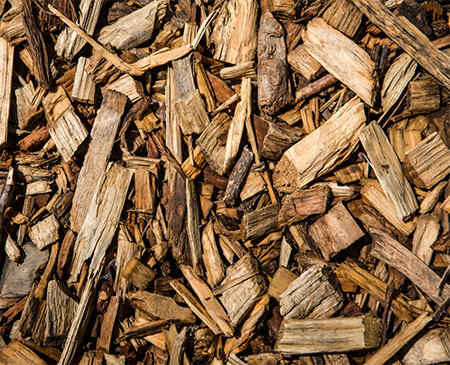
As biochar continues to gain traction across agriculture, energy, and environmental remediation markets, producers are under increasing pressure to improve process efficiency, product consistency, y rendimiento. While pyrolysis technology often takes center stage, one critical factor is frequently overlooked: reducción de tamaño. Properly reducing biomass feedstock size before pyrolysis plays a pivotal role in biochar quality,… Leer más »

Cómo la Reducción de Tamaño Facilita el Reciclaje de Alfombras y la Recuperación de Materiales

La reducción de tamaño es la base del reciclaje eficaz de alfombras. Las alfombras posconsumo ingresan a las instalaciones de reciclaje en formas voluminosas, irregulares—enrolladas, plegadas, o compactadas. Sin una reducción de tamaño adecuada, estos materiales son imposibles de manejar eficientemente o procesar de manera consistente. What Size Reduction Accomplishes Properly engineered hammer mill systems allow recyclers to: Primary and Secondary Processing In many carpet recyclingLeer más »

Entender la construcción de alfombras: Por qué el reciclaje es tan desafiante

To understand why carpet recycling requires specialized equipment, it’s important to understand how carpet is constructed. Carpet is not a single material—it is a bonded composite designed for durability, comfort, and long service life. Face Fibers The visible surface of carpet is typically made from: These fibers are valuable and recyclable, but only if theyLeer más »

Why Carpet Recycling Is Gaining Momentum in the U.S.

Carpet has long been considered one of the most difficult post-consumer materials to recycle. Made from multiple bonded materials and often contaminated after use, carpet historically ended up in landfills despite its valuable polymer and mineral content. Today, that reality is changing. State-Level Regulations Are Driving Change Over the past several years, multiple U.S. statesLeer más »

El papel de la reducción de tamaño en la destrucción segura de datos

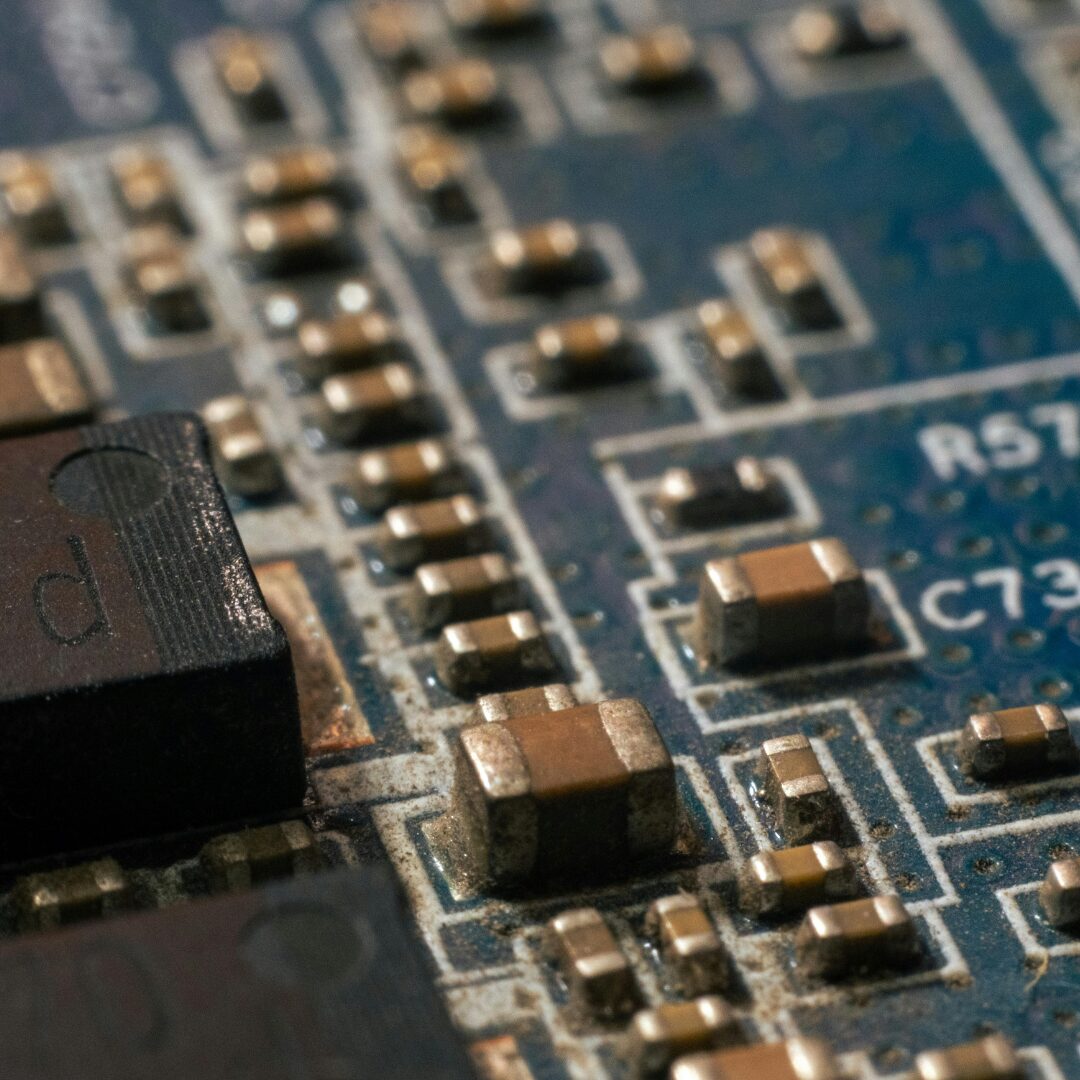
En el mundo actual impulsado por los datos, la responsabilidad de proteger la información sensible no termina cuando los dispositivos llegan al final de su vida útil. Ya sean discos duros obsoletos, servidores retirados, SSDs, o chatarra electrónica mixta, la destrucción segura de datos es esencial para proteger a las organizaciones de violaciones de datos, sanciones regulatorias, y daños a la reputación. A medida que los volúmenes de datos crecen y los formatos evolucionan,… Leer más »