
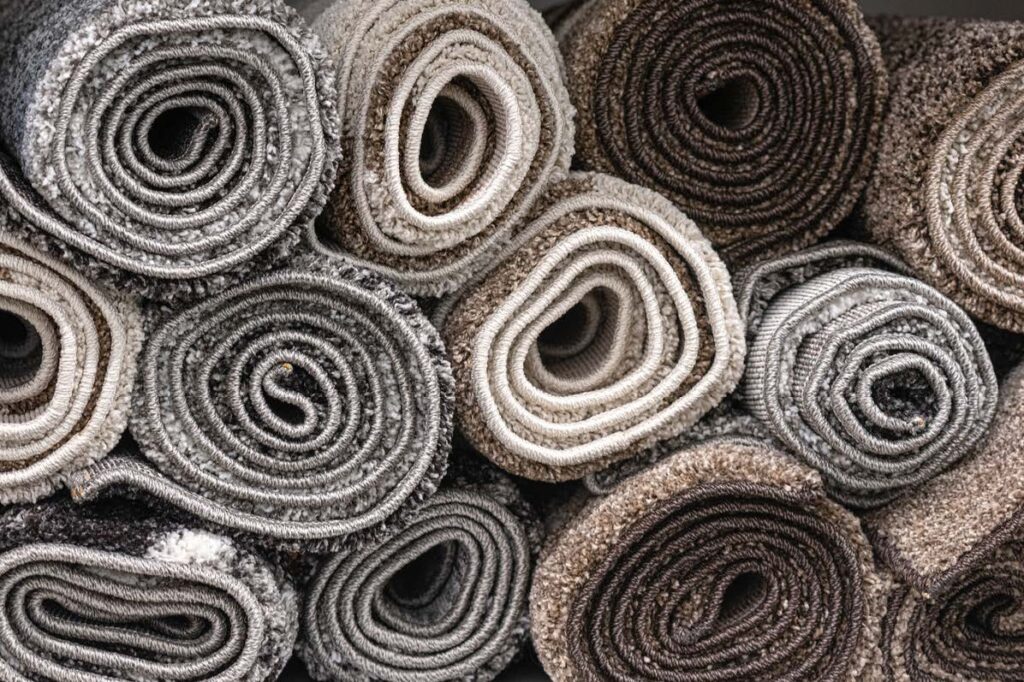
Μηχανικά συστήματα για την επεξεργασία χαλιών μετά την κατανάλωση, διαχωρισμός επαναχρησιμοποιήσιμων υλικών, και υποστήριξη της συμμόρφωσης με τους εξελισσόμενους κανονισμούς ανακύκλωσης.
Το χαλί είναι ένα από τα πιο απαιτητικά ρεύματα απορριμμάτων μετά την κατανάλωση για ανακύκλωση. Κατασκευασμένο από πολυεπίπεδα σύνθετα υλικά ινών, κόλλες, και υπόστρωμα γεμάτο ορυκτά, Το χρησιμοποιημένο χαλί έχει ιστορικά απορριφθεί σε χώρους υγειονομικής ταφής λόγω του όγκου του, πολυπλοκότητα, και δυσκολία επεξεργασίας.
Σήμερα, αυτό αλλάζει. Νέοι κανονισμοί σε κρατικό επίπεδο, απαιτήσεις ανακυκλωμένου περιεχομένου από τον κατασκευαστή, και το αυξανόμενο κόστος διάθεσης οδηγούν σε αυξημένη ζήτηση για αποτελεσματικές λύσεις ανακύκλωσης χαλιών. Στο επίκεντρο αυτών των λύσεων είναι η μείωση του μεγέθους—το κρίσιμο πρώτο βήμα που επιτρέπει τον διαχωρισμό υλικών, ανάκτηση, και επαναχρησιμοποίηση.
Schutte Hammermill provides proven size reduction systems engineered specifically to process used carpet and prepare it for downstream recycling and classification.
Why Carpet Recycling Is Gaining Momentum
Over the past several years, multiple U.S. states have introduced or expanded regulations aimed at reducing carpet waste and increasing recycled content in new carpet manufacturing. These initiatives are part of a broader push toward extended producer responsibility (EPR), shifting more end-of-life accountability to manufacturers and suppliers.
Key regulatory trends include:
- Minimum post-consumer recycled (PCR) content requirements in new carpet products
- Restrictions on certain backing materials and additives
- Αυξημένοι στόχοι ανακύκλωσης για μείωση της διάθεσης σε χωματερές
While requirements vary by state, η κατεύθυνση είναι σαφής: carpet must be recyclable at scale. This shift is accelerating investment in processing technologies capable of handling post-consumer carpet efficiently and economically.
Διαβάστε περισσότερα: Γιατί η ανακύκλωση χαλιών κερδίζει έδαφος στις Η.Π.Α..
The Role of Size Reduction in Carpet Recycling
Size reduction is the foundational step in carpet recycling. By breaking down bulky rolls, tiles, and slabs into smaller, διαχειρίσιμα σωματίδια, size reduction enables:
- Liberation of fibers from mineral-filled backing systems
- Reduction of material volume for efficient handling and transport
- Preparation of material for downstream separation technologies
Χωρίς σωστή μείωση μεγέθους, carpet materials remain too entangled and inconsistent for effective recovery.
Διαβάστε περισσότερα: Πώς η Μείωση Μεγέθους Διευκολύνει την Ανακύκλωση Χαλινών και την Ανάκτηση Υλικών
Removing Calcium Carbonate Backing for Material Recovery
Many carpet backing systems contain high levels of calcium carbonate filler. Ενώ είναι απαραίτητο για την απόδοση του χαλιού, το περιεχόμενο αυτού του ορυκτού περιπλέκει την ανακύκλωση μολύνοντας τις ροές ινών.
Τα συστήματα μείωσης μεγέθους Schutte Hammermill έχουν σχεδιαστεί για να:
- Διασπούν αποτελεσματικά τα συστήματα βάσης
- Απελευθερώνουν ανθρακικό ασβέστιο από πολυμερικές ίνες
- Παράγουν υλικό κατάλληλο για ταξινόμηση και διαχωρισμό με αέρα
Αυτή η διαδικασία επιτρέπει στους ανακυκλωτές να ανακτούν καθαρότερα πολυμερικά κλάσματα ενώ απομονώνουν τα λεπτά με υψηλή περιεκτικότητα σε ορυκτά σε ξεχωριστές ροές εξόδου.
Διαβάστε περισσότερα: Κατανόηση της Κατασκευής Χαλιών: Γιατί η Ανακύκλωση Είναι Τόσο Προκλητική
Ας συνδεθούμε!
Schutte Hammermill Solutions for Carpet Recycling
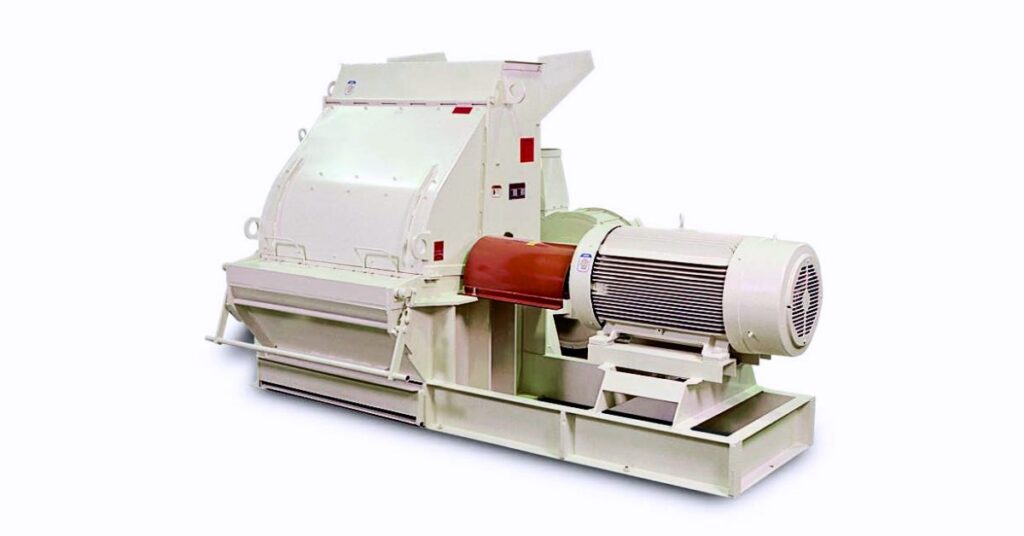
15 Series “Liberator” Hammer Mill
Σχεδιασμένος για επιθετική πρωτογενή μείωση μεγέθους, το 15 Η σειρά Liberator ξεχωρίζει στην επεξεργασία σκληρών, σύνθετων υλικών όπως χαλιά μετά την κατανάλωση.
Κύρια πλεονεκτήματα:
- Αποτελεσματική απελευθέρωση των συστημάτων βάσης και των ινών
- Σταθερός σχεδιασμός ρότορα για συνεπή, υψηλής έντασης επεξεργασία
- Ικανός να χειρίζεται τυλιγμένα, διπλωμένο, ή χαλιά σε διάταξη πλακών
Σφυρόμυλοι σειράς WA
The modified WA series is ideal for secondary size reduction or refinement following primary processing.
Κύρια πλεονεκτήματα:
- Controlled particle sizing
- Consistent output for downstream separation
- Adaptable configurations based on material and throughput goals
See It In Action!
Συχνές ερωτήσεις
Carpet is made from multiple bonded materials, including fibers, κόλλες, και υπόστρωμα γεμάτο ορυκτά, which must be separated for effective recycling.
Schutte Hammermill systems can process nylon, polyester, and olefin-based carpets, including broadloom carpet and carpet tile.
Ναι. Proper size reduction liberates calcium carbonate from polymer fibers, allowing separation through air classification.
Ένα πλήρες σύστημα περιλαμβάνει συνήθως εξοπλισμό μείωσης πρωτογενούς και δευτερεύοντος μεγέθους και προαιρετική ταξινόμηση αέρα για διαχωρισμό υλικών.
Ναι. Η Schutte Hammermill σχεδιάζει και προμηθεύει πλήρη συστήματα μείωσης μεγέθους και διαχωρισμού προσαρμοσμένα σε συγκεκριμένους στόχους ανακύκλωσης.
Μια πρακτική λύση για την ανακύκλωση Χαλί
Ψάχνοντας να επεξεργαστούμε το χαλί μετά την κατανάλωση πιο αποτελεσματικά? Το Φύλλο Εφαρμογής μας περιγράφει τις βασικές προκλήσεις, Ζητήματα υλικών, και λύσεις μείωσης μεγέθους που εμπλέκονται στα σύγχρονα συστήματα ανακύκλωσης χαλιών.