
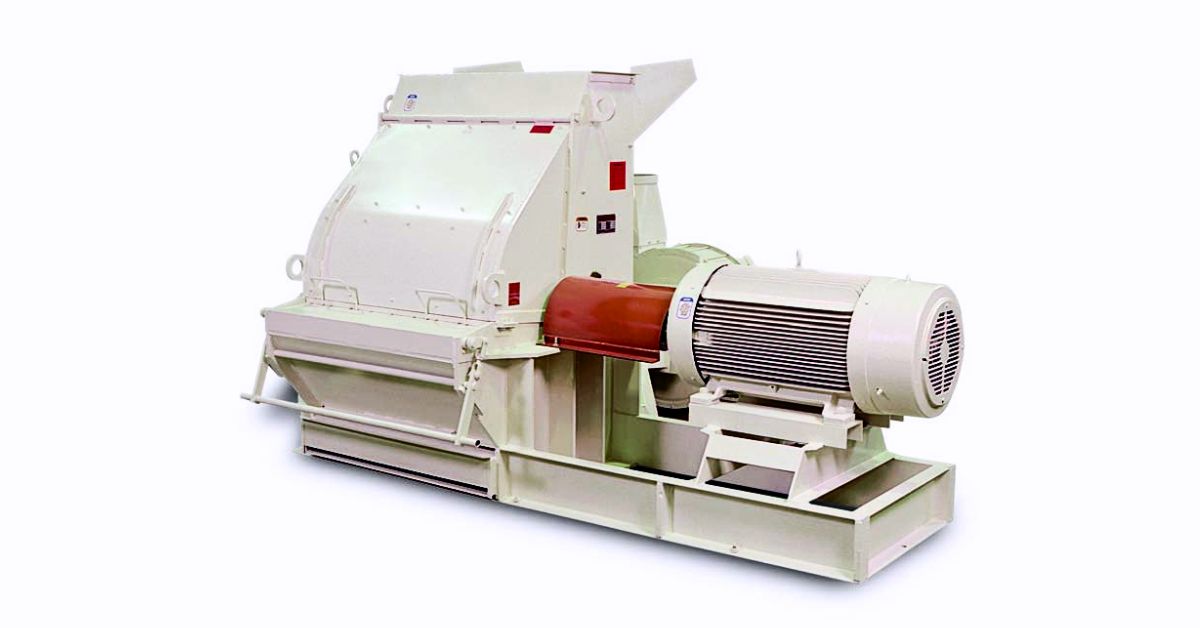
Hammermühlen sind wesentliche Bauteile der modernen Fertigung und spielen eine wesentliche Rolle in einer Vielzahl von Industrien. Diese leistungsstarken Geräte zerlegen Materialien in kleinere, handlichere Größen, Verarbeitung von Getreide zu Tierfutter, Verwandlung von Abfallholz in Mulch, und Abbau von Schrottmaterialien zur Wiederverwendung.
Letztlich, diese Werkzeuge stehen im Zentrum von Innovation und Produktivität. In diesem Artikel, Wir werden die wichtigsten Einsatzmöglichkeiten von Hammermühlen untersuchen und wie sie weiterhin Fortschritte in der Fertigung vorantreiben.
Glaszerkleinerung und Recycling
Hammermühlen spielen eine entscheidende Rolle beim Glaszerkleinern und Recycling, indem sie Altglas mit bemerkenswerter Effizienz in nutzbare Materialien verwandeln. Diese Maschinen sind unerlässlich, um Glas in kleinere Teile zu zerlegen, einheitlicher Partikel, die Hersteller dann für verschiedene Anwendungen wiederverwenden können, einschließlich der Herstellung von Glasbehältern, Dämmmaterialien, und dekorativen Zuschlagstoffen.
Zum Beispiel, Abfallglas aus Industrien oder Haushalten kann mit einer Hammermühle zerkleinert und veredelt werden, um Schneide herzustellen, ein Schlüsselbestandteil der neuen Glasherstellung. Die Fähigkeit einer Hammermühle, verschiedene Glasarten zu verarbeiten, sei es Plattenglas, Flaschen, oder stillgelegtes Solarglas, zeigt ihre Vielseitigkeit und Bedeutung in modernen Recyclingprozessen.
Kunststoffverarbeitung für die Wiederverwendung
Die Verarbeitung von Kunststoff für die Wiederverwendung ist eine weitere wichtige Anwendung von Hammermühlen in modernen Fertigungsprozessen, insbesondere für Formprodukte. Diese Maschinen können auch Kunststoffmaterialien in feine Granulate zerlegen, um eine gleichmäßige Größe und Textur zu gewährleisten, die ideal für das Formen und Herauspressen sind. Diese Konsistenz ist wesentlich für die Herstellung hochwertiger Kunststoffprodukte, wie Verpackungen, Container, Automobilkomponenten, und verschiedene industrielle Teile.
Durch die Gewährleistung der Gleichmäßigkeit des Rohmaterials, optimieren Hammermühlen die Fertigungsabläufe, reduzieren Produktionsfehler, und steigern die Gesamteffizienz. Außerdem, Die Fähigkeit, recycelte Kunststoffe zu zerkleinern, unterstützt nachhaltige Praktiken, indem sie die Wiederverwendung von Materialien ermöglicht, Abfall minimiert, und den Bedarf an neuen Kunststoffressourcen verringert.
Rückgewinnung wertvoller Materialien
Diese robusten Maschinen sind in der Lage, komplexe Materialien zu zerkleinern, wie Golderz, Katalysatoren, und Elektronik, in kleinere Teile, handhabbare Partikel zerkleinert werden. Dieser Prozess erleichtert die effiziente Gewinnung wertvoller Metalle wie Gold, Platin, und Palladium, die für die Herstellung von High-Tech-Komponenten und Luxusgütern unerlässlich sind.
Hammer mills enable the effective recovery of rare and precious resources, streamlining production workflows while promoting sustainability. Their use not only reduces dependency on virgin resource extraction but also contributes to minimizing waste, making them key in the pursuit of sustainable material sourcing in modern manufacturing.
Production of Biofuel Feedstock
Surprisingly, hammer mills are also critical for the production of biofuel because they process raw feedstock materials such as corn stalks, woodchips, and switchgrass. These machines efficiently grind the feedstock into particles of optimal size, which are then used in the production of bioethanol or biodiesel.
Through ensuring uniform particle sizes, hammer mills enhance the efficiency of biofuel production processes, leading to a higher yield of renewable energy. Diese Fähigkeit ist besonders wichtig, da die weltweite Nachfrage nach grünen und nachhaltigen Kraftstoffquellen weiterhin steigt.
Herstellung von Tierstreu und Mulch
Landwirte verlassen sich auf Hammermühlen, um Tierstreu und Mulch herzustellen, indem sie Holzspäne, Stroh, und andere organische Materialien effizient in geeignete Partikelgrößen umwandeln. Dieser Prozess stellt sicher, dass Streumaterialien weich, saugfähig, und komfortabel für Nutztiere sind und gleichzeitig die Hygiene in der Tierpflege aufrechterhalten wird.
Bei der Mulchproduktion, ermöglichen Hammermühlen eine präzise Größenbestimmung, wodurch eine ideale Textur entsteht, die Belüftung und Feuchtigkeitsspeicherung im Boden fördert, was die Pflanzengesundheit verbessert. Durch die Lieferung konsistenter Ergebnisse, unterstützen Hammermühlen sowohl die Landwirtschaft als auch die Gartenbauindustrie, Rohorganische Materialien in wertvolle Produkte umzuwandeln, die nachhaltige landwirtschaftliche und gartenbauliche Praktiken fördern.
Lebensmittelverarbeitung und Gewürzmühlen
Gewürze effizient mahlen, Zucker, Getreide, und andere Lebensmittelmaterialien in spezifische Texturen zu zerkleinern, benötigt man Hammermühlen, um Konsistenz und Qualität über Chargen hinweg sicherzustellen. Diese Präzision ist entscheidend für die Herstellung von Produkten wie gemahlenen Gewürzen, Süßungsmitteln, und fein gemahlenen Mehlen, die sowohl in der Hausküche als auch in der großindustriellen Lebensmittelproduktion unverzichtbar sind.
Durch die Optimierung der Nutzung von Rohstoffen, verbessern Hammermühlen nicht nur die Produktionseffizienz, sondern minimieren auch Abfall, und stehen im Einklang mit nachhaltigen Praktiken in der Lebensmittelindustrie. Ihre Vielseitigkeit und Zuverlässigkeit machen sie zu unverzichtbaren Werkzeugen, um die strengen Standards der modernen Lebensmittelproduktion zu erfüllen.
Getreidemahlen für Lebensmittel und Landwirtschaft
Eine der Hauptanwendungen von Hammermühlen liegt in den Getreidemahlprozessen, where these machines transform raw grains like corn, Weizen, and barley into versatile products such as flour, meal, and components for animal feed. With high-speed hammers that crush and grind grains into fine, einheitlicher Partikel, these machines ensure the consistency required for both food production and agricultural applications.
For food processing, the resulting fine particles contribute to the creation of high-quality products with reliable textures and flavors. Meanwhile, in animal agriculture, hammer mills help produce feed formulations that promote efficient digestion and optimal nutrient absorption, which, in turn, enhance livestock growth and performance.
Construction Material Production
One of the primary uses for hammer mills is pulverizing concrete, Asphalt, Ziegel, and tiles to produce high-quality aggregates. These aggregates are essential for constructing durable roadways and sturdy building foundations, ensuring stability and long-term performance. Hammer mills also excel in processing gypsum, a key material for producing drywall and cement.
In reducing gypsum into fine particles, the equipment facilitates the creation of consistent and reliable raw materials needed for large-scale construction projects. Zusätzlich, hammer mills assist in converting demolished materials into reusable components, contributing to sustainable practices in the construction industry.
Holzverarbeitung
You can’t grind wood chips, Späne, and sawdust into smaller, uniform particles without hammer mills, all of which are essential in the production of high-quality wood pellets. These pellets are a popular choice for renewable energy sources, as they are compact, effiziente, and sustainable.
Eine weitere wichtige Anwendung ist die Aufbereitung von Rohholz für die Zellstoff- und Papierherstellung. Sie zerkleinern Holz effizient in Fasern, ein entscheidender Schritt zur Sicherstellung von Qualität und Konsistenz in Papier und verwandten Produkten. Außerdem, sie sind in der Forstwirtschaft unverzichtbar, und erleichtern die Herstellung von wertschöpfenden Holzprodukten oder Bioenergiematerialien, die zu nachhaltigen Praktiken beitragen.
Da technologische Fortschritte weiterhin voranschreiten, wird die Rolle von Hammermühlen nur noch zunehmen, und ihre Auswirkungen auf moderne Prozesse weiter verstärken. Warum warten, um Ihrem Unternehmen zum Erfolg zu verhelfen? Wenn Sie bereit sind, das volle Potenzial dieser Maschinen zu nutzen, bietet unsere Kollektion industrielle Hammermühlen für jeden etwas.
Von zweistufigen bis hin zu Modellen für niedrige und hohe Produktion, bieten unsere Hammermühlen eine hochwertige Leistung, Haltbarkeit, und Effizienz für all Ihre Verarbeitungsbedürfnisse. Mit ihrer Fähigkeit, eine Vielzahl von Materialien in unterschiedlichen Größen zu verarbeiten, bieten sie Unternehmen aller Branchen die Flexibilität und Vielseitigkeit, die für den Erfolg im heutigen wettbewerbsintensiven Markt erforderlich sind.