
Se vores instruktionsvideo for korrekt opsætning og montering af din nye fræser
Lab-skala slibeløsninger til forskning og udvikling
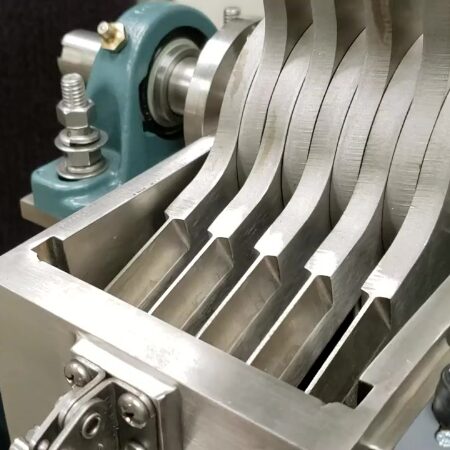
Præcision, konsistens, og skalerbarhed er afgørende for enhver succesfuld F&&U operation. Uanset om du udvikler et nyt produkt eller forfiner en produktionsproces, kan evnen til at teste, måle, og replikere resultater på laboratorieniveau gøre en stor forskel. Schutte Hammermill’s lab-scale grinding solutions are engineered to provide the same performance, kontrol, and durability as… Læs mere »
Forbedret brygeffektivitet: Hvordan Schutte Hammermill Udstyr forvandler kornforarbejdning
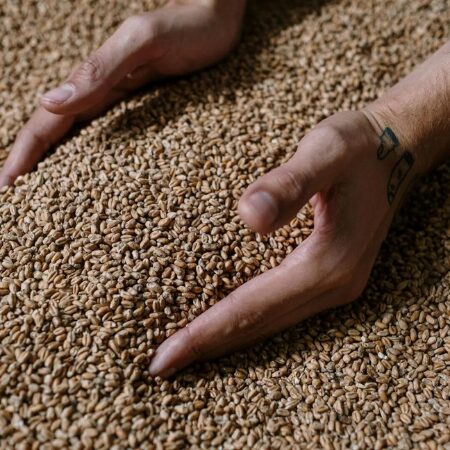
I verdenen af håndværksbrygning, præcision er alt – fra opskriftsskabelse til kornforberedelse. Kvaliteten og konsistensen af formalet korn påvirker direkte smag, udbytte, og produktionseffektivitet. For bryggerier, der ønsker at optimere deres proces, Schutte Hammermill tilbyder en gennemprøvet vej til højere effektivitet og bedre øl. Why Grain Processing Matters Grain processing is more… Læs mere »
Pålidelige kværneløsninger til sten, Mineraler, og bulkmaterialer

Når det kommer til behandling af hårde materialer som sten, mineraler, og bulkmaterialer, er præcision og holdbarhed afgørende. Hos Schutte Hammermill, vi har leveret pålidelige størrelsesreducerende løsninger i mere end et århundrede. Vores hammermøller og klumpknusere er konstrueret til at håndtere de mest krævende anvendelser, sikrer ensartet partikelstørrelse, maksimal gennemløb, og lang levetid… Læs mere »
Fremtiden for batterigenbrug med Schutte Hammermill: Effektiv materialegenvinding

Batterigenanvendelse bliver hurtigt en af de mest kritiske aspekter af moderne affaldshåndtering og ressourceudvinding. Med stigningen i elektriske køretøjer, lagring af vedvarende energi, og bærbar elektronik, har efterspørgslen efter effektive og bæredygtige løsninger til genanvendelse af lithium-ion og andre batterityper aldrig været større. Schutte Hammermill er i front med… Læs mere »