
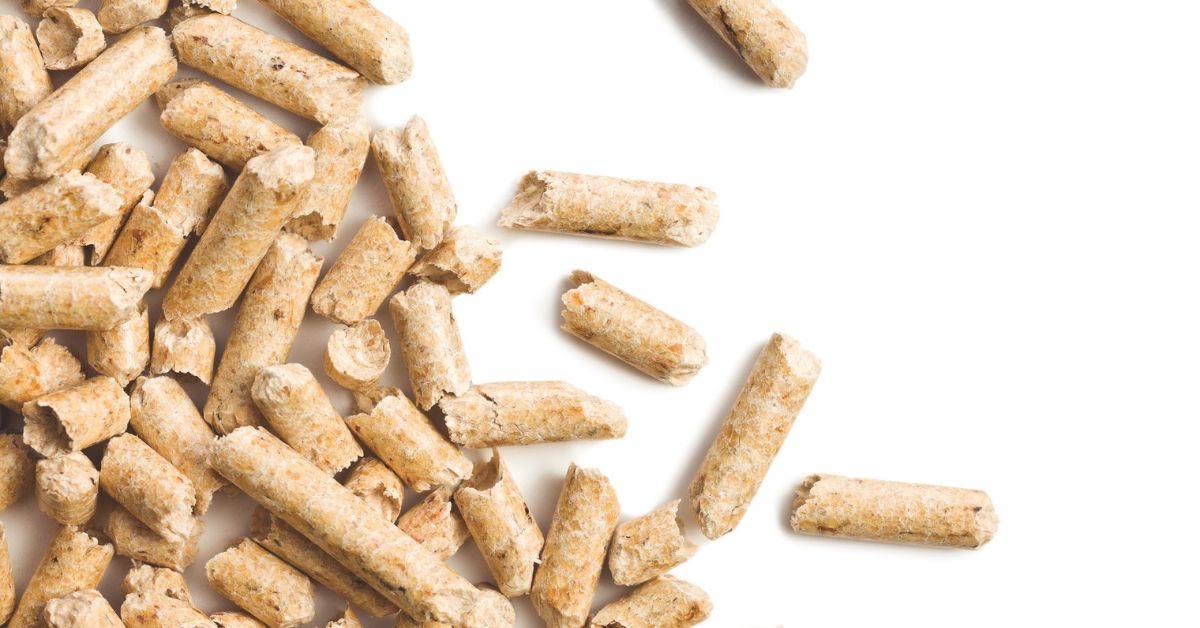
From producing livestock feed to creating biofuels, pellet mills are powerful machines that are driving efficiency like never before. By compressing materials like hay, الذرة, or wood into dense pellets, pellet mills help reduce waste, simplify transportation, and optimize storage.
Their versatility and adaptability make them imperative pieces of equipment for farmers, feed manufacturers, and energy producers alike. How? This article will take a close, inside look at the role of pellet mills in the agricultural industry.
The Importance of Pellet Mills in Agriculture
What Are Pellet Mills?
Pellet mills, simply put, compress various materials into tightly packed, easy-to-handle pellets. These machines work by applying pressure and heat to raw materials, transforming them into uniform and dense pellets that serve a wide range of purposes.
Common feedstocks for pellet mills include biomass materials like wood; agricultural byproducts such as husks, القش, and corn stalks; and grains used for animal feed. Their ability to transform loose, bulky materials into manageable products makes pellet mills invaluable tools in modern farming.
Relevance to Modern Agriculture
Traditional agricultural practices often result in significant waste and inefficient use of natural resources. على سبيل المثال, leftover crop residues or organic byproducts typically go unused or are discarded, contributing to environmental issues such as excess greenhouse gas emissions.
Pellet mills offer an innovative solution by converting these waste materials into valuable pellets that can be repurposed. These pellets are not only easier to transport and store but also serve as nutrient-rich feed for livestock, الأسمدة العضوية, أو حتى الوقود لإنتاج الطاقة.
حلول صديقة للبيئة
التحول العالمي نحو الزراعة المستدامة يركز على تقليل الأثر البيئي مع الحفاظ على الإنتاجية. تساعد مطاحن الحبيبات في هذا التحول من خلال تمكين تحويل النفايات إلى موارد. يمكن تحويل المنتجات الثانوية الزراعية التي كانت ستتحلل وتطلق غاز الميثان في الغلاف الجوي إلى حبيبات حيوية صديقة للبيئة.
يمكن بعد ذلك استخدام هذه الحبيبات كمصادر طاقة متجددة, استبدال الوقود الأحفوري في المزارع والعمليات الأخرى. من خلال دعم الاستخدام الدائري للموارد, مطاحن الحبيبات تتماشى مع الرؤية الأوسع للاستدامة, مساعدة كل من الممارسات الزراعية الصغيرة والكبيرة على تقليل بصمتها الكربونية.
تطبيقات مطاحن الحبيبات في الزراعة
إنتاج أعلاف الحيوانات
Pellet mills play a vital role in the production of high-quality animal feed, turning raw agricultural materials, such as grains, الذرة, soybean meal, and various additives, into compact, nutrient-dense pellets. This process not only optimizes feed storage and handling but also ensures a balanced nutritional profile for livestock such as poultry, cattle, swine, and fish. By using pellet mills to compress essential nutrients into uniform pellets, farmers can ensure consistent feeding efficiency, allowing animals to consume all necessary minerals and vitamins in every serving.
على سبيل المثال, dairy farmers often use pellet mills to create custom feed blends enriched with calcium and protein, promoting healthier livestock and, consequently, higher milk yields. بالإضافة إلى ذلك, this process reduces waste as animals consume more nutrient-rich feed without sifting through grain particles, جعل مطاحن الحبيبات أدوات لا غنى عنها للزراعة المستدامة والفعالة.
حبيبات السماد
تطبيق عملي آخر لمطاحن الحبيبات في الزراعة هو إنتاج حبيبات السماد. النفايات العضوية, بما في ذلك روث الحيوانات, بقايا المحاصيل, وحتى نفايات معالجة الطعام, يمكن أن تتحول إلى حبيبات غنية بالمغذيات تعمل كبدائل صديقة للبيئة للأسمدة الكيميائية. يمكن لمزارع الدواجن استخدام روث الدجاج, الذي يحتوي بطبيعته على نسبة عالية من النيتروجين, بينما يمكن لمزارع المحاصيل استخدام القش أو القشور المتبقية كمواد خام.
تعزز عملية التكوير من قابلية استخدام هذه المواد من خلال تحويل المادة العضوية الفضفاضة إلى حبيبات صغيرة, وكثيفة من السهل تخزينها, ونقلها, وإضافتها إلى الحقول. تفرج هذه الحبيبات عن المغذيات ببطء في التربة, محسّنة صحة المحاصيل مع مرور الوقت وفي نفس الوقت تقلل من الجريان والتلوث البيئي. This method not only supports sustainable farming practices but also addresses the growing demand for organic farming inputs.
Energy and Biofuel Production
Pellet mills are at the forefront of renewable energy production within the agricultural sector. Converting agricultural biomass, such as wood chips, سيقان الذرة, and sugarcane bagasse, into biofuel pellets creates a sustainable energy source to replace fossil fuels.
Industries can use biofuel pellets in stoves, boilers, and industrial power plants, providing clean and efficient energy with lower carbon emissions. على سبيل المثال, sugarcane farms in Brazil often process bagasse into biofuel pellets, generating both heat and electricity to support their farming operations while exporting excess energy to the local grid. This dual benefit of efficient energy production and agricultural waste utilization makes pellet mills an essential part of renewable energy strategies across the globe.
إدارة النفايات
Pellet mills are also transforming agricultural and food processing waste into valuable products. This includes converting husks, shells, or other byproducts from crop processing into bedding materials for livestock or soil enhancers. Rice husks left over from milling can be pelletized to serve as absorbent cattle bedding or mulch for gardens.
وبالمثل, food processing waste, such as fruit pulp or vegetable scraps, can be turned into recyclable pellets for composting or energy purposes. By repurposing waste into usable forms, pellet mills significantly reduce the environmental impact of agricultural operations, تعزيز الاقتصاد الدائري وتقليل المساهمات في المكبات.
الفوائد للمزارعين والمصنعين
توفير التكاليف
أحد المزايا الرئيسية لاستخدام مكابس الحبيبات هو الحد الكبير من تكاليف التخلص من النفايات. من خلال إعادة استخدام المنتجات الثانوية الزراعية وعمليات تجهيز الطعام, يمكن للمزارعين والمصنعين تحويل النفايات إلى منتجات ذات قيمة مضافة مثل علف الحيوانات, الوقود الحيوي, أو منظمات التربة. هذا لا يقلل فقط من نفقات التخلص من النفايات بل يحقق أيضًا استخدامًا فعالًا للموارد التي كانت ستذهب هباءً.
زيادة الكفاءة
توفر الحبيبات فوائد عملية من حيث سهولة النقل والتخزين. شكلها المضغوط يشغل مساحة أقل, مما يؤدي إلى تقليل تكاليف النقل وتسهيل اللوجستيات. بالنسبة لمزارعي الماشية, الحبيبات تسهل عمليات التغذية من خلال توفير علف متجانس وسهل الإدارة, مما يؤدي إلى تحسين الكفاءة التشغيلية وتوفير الوقت.
الاستدامة البيئية
دعم نفايات الزراعة المطحونة للاستدامة البيئية عن طريق تشجيع إعادة الاستخدام وإعادة التدوير. تحويل المنتجات الثانوية إلى أشكال قابلة للاستخدام يقلل الاعتماد على المكبات ويخفض انبعاثات الميثان من النفايات العضوية المتحللة. وكنتيجة لذلك, مطاحن الحبيبات تمكن المزارعين والمصنعين من المساهمة في اقتصاد زراعي دائري, تعزيز الممارسات الصديقة للبيئة.
فرص الربح
يمكن للزراع تسويق الحبيبات الفائضة وبيعها لمزارع أخرى, منتجي الطاقة, أو الصناعات التي تعتمد على المواد الحيوية. هذا يخلق مصادر دخل إضافية للمزارعين والمصنعين, تحويل ما كان يُعتبر نفايات إلى مشروع يحقق الربح. في توليد الإيرادات من الحبيبات الفائضة, يمكن للمشاريع الزراعية تعزيز استقرارها المالي مع دعم مبادرات استدامة الصناعة الأوسع.
نتيجة استخدام هذه الآلات المذهلة? الاستفادة القصوى من الموارد, الحد الأدنى من الهدر, وحلول مستدامة لبعض من أكبر التحديات اليوم.
إذا كنت جاهزًا لرؤية بنفسك حيث يلتقي الابتكار بالاستدامة, اجعل مطحنة الكريات جزءًا من عمليتك اليوم. استكشف مجموعة شوت هامرمل الواسعة من النماذج والأحجام. نحن متأكدون من أن لدينا مطحنة تلبّي احتياجاتك الفريدة ويمكن أن ترتقي بعملياتك إلى المستوى التالي!